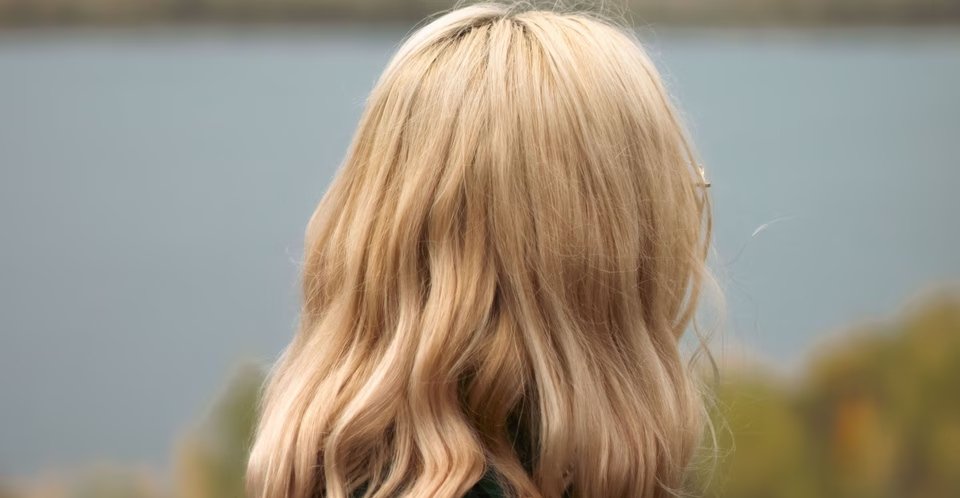
Dandruff is often dismissed as a minor nuisance—until it spirals into something far more stubborn and uncomfortable. A recent case shared by Dr Praneeta Jain involving an 18-year-old with severe dandruff highlights a surprisingly common mistake among people with colour-treated hair.
The case has sparked wider conversations around scalp care, especially as hair colouring becomes increasingly popular among teenagers and young adults in India. While vibrant shades and smooth textures may look appealing, they often come at the cost of scalp health when not managed properly.
So what exactly went wrong? Why does dandruff worsen after hair colouring? And how can you enjoy coloured hair without compromising your scalp? Let’s break it down with expert-backed clarity.
Understanding the Case: What Happened and Why It Matters
The 18-year-old patient experienced persistent, worsening dandruff after colouring her hair. Despite trying over-the-counter anti-dandruff shampoos, the condition escalated—leading to itching, flaking, and scalp irritation.
According to dermatological understanding, this wasn’t just dandruff—it was likely a combination of scalp barrier damage and product misuse.
The key issue? Using harsh or unsuitable treatments on chemically treated hair without addressing scalp sensitivity.
Why Colour-Treated Hair Is More Vulnerable
Hair colouring involves chemicals like ammonia and peroxide that open up the hair cuticle to deposit pigment. While this transforms the hair’s appearance, it also affects the scalp.
- Disrupts the scalp’s natural barrier
- Increases dryness and sensitivity
- Alters the scalp microbiome
- Makes skin more reactive to products
This creates the perfect environment for dandruff-causing yeast to thrive, especially if the scalp is not cared for correctly.
The Common Mistake: Treating Hair, Ignoring the Scalp
Most people focus heavily on maintaining hair colour—using colour-protect shampoos, conditioners, and masks—but completely overlook scalp care.
In this case, the mistake was twofold:
- Using strong anti-dandruff shampoos too frequently, which stripped the scalp further
- Not switching to scalp-friendly, pH-balanced products after colouring
Ironically, trying to “fix” dandruff aggressively often makes it worse.
Dandruff vs Dry Scalp: Why Misdiagnosis Is Common
One major reason people struggle with dandruff is confusion between dry scalp and dandruff.
| Condition | Cause | Symptoms | Treatment Approach |
|---|---|---|---|
| Dandruff | Fungal overgrowth | Oily flakes, itching | Medicated shampoos |
| Dry Scalp | Lack of moisture | Small, dry flakes | Hydration and gentle care |
Colour-treated hair often leads to dry scalp, but people mistakenly treat it as dandruff—using strong medicated products that worsen irritation.
Why This Matters: The Real Impact of Ignoring Scalp Health
Dandruff isn’t just a cosmetic issue. If left untreated or mistreated, it can lead to:
- Chronic scalp inflammation
- Hair fall due to weakened roots
- Increased sensitivity and redness
- Reduced effectiveness of hair treatments
For young individuals, this can also affect confidence and daily comfort.
The Right Way to Care for Colour-Treated Hair with Dandruff
1. Choose the Right Shampoo
Use a mild, sulphate-free shampoo designed for sensitive or treated scalps. If dandruff is present, alternate with a gentle medicated shampoo instead of daily use.
2. Don’t Overwash
Washing hair too frequently strips natural oils, worsening dryness and irritation. Stick to 2–3 washes per week unless advised otherwise.
3. Hydrate Your Scalp
Lightweight scalp serums or hydrating tonics can help restore moisture without clogging pores.
4. Avoid Harsh DIY Remedies
Home remedies like lemon juice or baking soda can irritate already sensitive, colour-treated scalps.
5. Protect the Scalp During Colouring
Always ensure:
- Patch testing before colouring
- Using professional-grade products
- Avoiding colouring on an already irritated scalp
6. Follow a Balanced Routine
Think of scalp care like skincare—gentle, consistent, and targeted.
Expert Insight: Less Aggression, More Balance
One of the biggest misconceptions is that stronger products work faster. In reality, scalp health improves with balance, not intensity.
The goal is to:
- Control fungal growth (if present)
- Restore the skin barrier
- Maintain hydration
Overdoing any one step disrupts this balance.
The Bigger Trend: Rising Hair Damage Among Young Users
This case reflects a growing trend—young people experimenting with hair treatments without fully understanding aftercare.
Social media often highlights the results of colouring but rarely discusses maintenance. This gap leads to issues like:
- Premature hair damage
- Scalp disorders
- Increased dependency on corrective treatments
Prediction: Scalp Care Will Be the Next Big Beauty Shift
Just like skincare evolved from makeup to skin health, haircare is shifting toward scalp-first routines.
Expect to see:
- More scalp-specific products
- Personalized haircare routines
- Increased awareness about microbiome balance
This shift is not just a trend—it’s a necessity.
Conclusion: The Real Lesson from This Case
The 18-year-old’s experience is a reminder that healthy hair starts with a healthy scalp.
Colouring your hair isn’t the problem—ignoring proper aftercare is.
To avoid similar issues:
- Treat your scalp as carefully as your hair
- Avoid overusing harsh treatments
- Focus on balance, not quick fixes
Because in the end, great hair isn’t just about colour or style—it’s about the foundation beneath it.
For breaking news and live news updates, like us on Facebook or follow us on Twitter and Instagram. Read more on Latest Lifestyle on thefoxdaily.com.



COMMENTS 0