Winter mornings often encourage people to step outside for a brisk walk, jog or cycling session. The cooler weather can make outdoor exercise feel more comfortable, and maintaining a regular fitness routine is important for cardiovascular health. However, when temperatures fall and Air Pollution rises, the conditions around your usual walking route may not be as healthy as they appear.
In many parts of India, winter brings a combination of cold temperatures, fog and poor air quality. A layer of smog can settle over roads and neighbourhoods, while pollutants from vehicles, industries, construction activities and other sources accumulate near the ground. Exercising in these conditions may expose the heart and lungs to additional stress.
Cold air can cause blood vessels to narrow, increasing blood pressure and making the heart work harder. At the same time, inhaling fine particulate matter can trigger inflammation and affect blood vessels. The combination may be particularly concerning for people who already have cardiovascular risk factors.
Dr Anil Bhan, Chairman of Cardiac Care and Cardiac Surgery (Heart Transplant) at Medanta, Gurugram, explained to HT Lifestyle how cold weather and air pollution can affect the heart, which individuals need to be especially careful and when exercising indoors may be a safer option.
Why does winter increase the strain on your heart?
Cold weather can influence the cardiovascular system in several ways. When the body is exposed to low temperatures, blood vessels near the skin narrow to conserve heat. This process, known as vasoconstriction, can increase blood pressure and make the heart work harder to circulate blood.
For someone with healthy cardiovascular function, the body can often adjust to these changes. However, people with existing heart disease, hypertension or other medical conditions may find it harder to manage the additional strain.
Dr Bhan also highlighted the potential effects of cold weather on blood circulation and clot formation. Under certain circumstances, cold exposure can contribute to changes in blood pressure and blood clotting activity, potentially increasing cardiovascular risks in vulnerable individuals.
Can cold weather increase the risk of heart attacks and strokes?
Cold temperatures can place additional demands on the cardiovascular system. Increased blood pressure and the heart’s higher workload may be particularly concerning for people with narrowed arteries or existing heart conditions.
Dr Bhan cautioned that cold exposure can be associated with an increased risk of clot-related complications, including heart attacks, ischaemic strokes and deep vein thrombosis (DVT). DVT refers to a blood clot that forms in a deep vein, most commonly in the leg.
It is important to understand that cold weather does not mean every person who goes outside is likely to develop a blood clot. Individual risk depends on several factors, including age, existing medical conditions, mobility and cardiovascular health.
Why does the heart work harder in cold conditions?
Exposure to cold can activate the body’s stress response. The release of stress hormones can increase heart rate and raise the amount of oxygen the heart needs to function.
When the heart has to work harder while blood vessels are narrowed, the cardiovascular system experiences additional pressure. This may be more difficult for people whose arteries are already affected by plaque buildup or whose heart function is compromised.
Winter can also change daily activity patterns. People may spend more time indoors and become less physically active because of uncomfortable weather. A sudden return to strenuous exercise after a period of reduced activity may add another challenge, particularly for individuals with underlying health conditions.
How does air pollution affect your heart during a winter walk?
Cold weather is only one part of the problem. Poor air quality can further increase cardiovascular stress, especially when people exercise outdoors and breathe more rapidly.
During certain winter conditions, a phenomenon known as temperature inversion can contribute to the accumulation of pollutants near the ground. Instead of allowing warmer air to rise and disperse pollutants, a layer of warmer air above cooler surface air can restrict vertical air movement. As a result, pollutants may remain concentrated closer to where people live and exercise.
This can make outdoor physical activity more challenging on days when air quality is poor. Walking or running increases breathing rate, which can raise the amount of polluted air a person inhales during exercise.
What happens when PM2.5 enters your body?
Fine particulate matter, commonly known as PM2.5, is one of the pollutants of concern during periods of poor air quality. These particles are extremely small and can travel deep into the respiratory system.
According to Dr Bhan, PM2.5 can penetrate deep into the lungs and enter the bloodstream, triggering systemic inflammation and oxidative stress. These processes can affect the inner lining of blood vessels, which plays an important role in maintaining healthy circulation.
Over time, exposure to fine particulate pollution may contribute to damage in blood vessel linings and accelerate the buildup of plaque in arteries. Existing plaque may also become unstable, potentially increasing the likelihood of clot formation and blockages.
This matters because arteries carry oxygen-rich blood to the heart, brain and other organs. When blood flow becomes restricted, the consequences can be serious, particularly for people who already have Cardiovascular Disease.
Is brisk walking safe when air pollution levels are high?
Walking is generally a beneficial form of physical activity. Regular moderate exercise can support Heart Health, help manage blood pressure and improve overall fitness. However, the benefits of outdoor exercise need to be considered alongside the quality of the air being inhaled.
On days when the Air Quality Index (AQI) is high, outdoor workouts may expose people to greater concentrations of pollutants. This is particularly relevant during activities such as brisk walking, jogging and running, when breathing becomes faster and deeper.
The concern is not limited to people who exercise intensely. Even a routine walk can involve prolonged exposure if the route passes through busy roads, areas with visible smog or locations close to pollution sources.
Dr Bhan advises exercising indoors when air quality is poor or the weather is particularly cold. People who prefer outdoor activity should consider waiting until temperatures rise and checking the local AQI before heading out.
Should you walk in the morning or afternoon during winter?
Early mornings are often colder than the rest of the day. They may also coincide with conditions in which pollutants remain concentrated near the ground. This makes the timing of outdoor exercise worth considering.
Dr Bhan recommends going outside later in the day, when temperatures have increased and air quality may have improved. Around midday can be a more suitable time for an outdoor walk, provided local pollution levels are acceptable.
However, air quality does not improve at the same time every day or in every location. Midday should not automatically be considered safe. Checking the local AQI before exercising is more useful than relying on the clock alone.
Who is most vulnerable to cold weather and air pollution?
Although cold temperatures and polluted air can affect anyone, some groups face a greater risk of cardiovascular complications. People with existing health conditions may have less capacity to cope with sudden changes in blood pressure, oxygen demand and circulation.
Dr Bhan identifies older adults and individuals with hypertension, diabetes and high cholesterol as particularly vulnerable.
1. Older adults
Ageing can be associated with changes in blood vessels and cardiovascular function. Older adults may also have other health conditions that increase their sensitivity to cold weather and air pollution.
For this group, outdoor exercise during very cold or heavily polluted periods should be approached cautiously. A suitable activity routine can be discussed with a healthcare professional, particularly if there is a history of heart disease.
2. People with high blood pressure
Cold temperatures can cause blood vessels to narrow, increasing blood pressure. For people who already have hypertension, this additional rise may place further strain on the heart and circulation.
Maintaining prescribed treatment and monitoring blood pressure as advised by a doctor are important, especially during colder months.
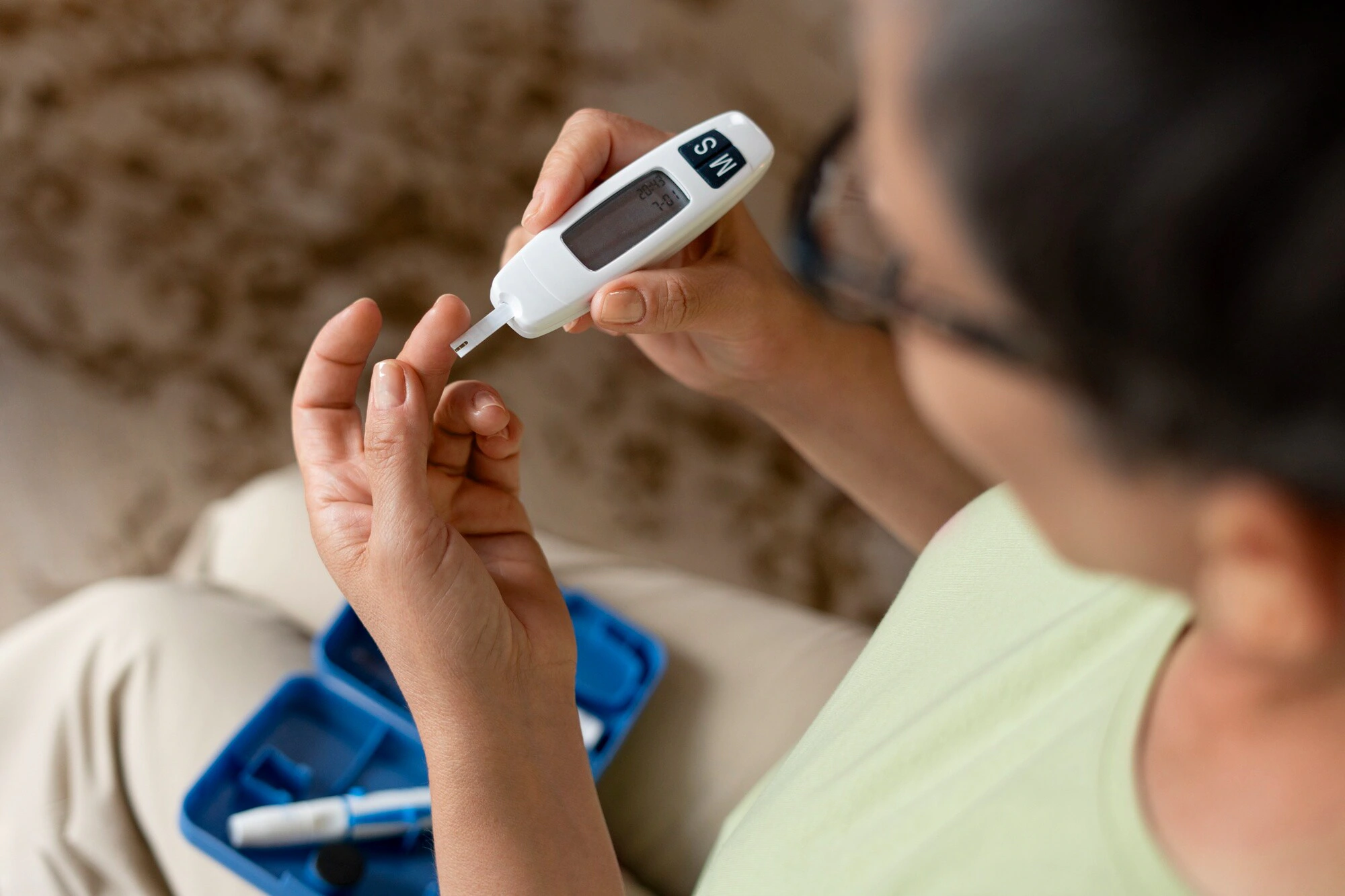
3. People with diabetes
Diabetes can affect blood vessels and increase the risk of cardiovascular disease. People living with diabetes may also have other risk factors, such as high blood pressure or abnormal cholesterol levels.
When cold weather and air pollution add further stress to the cardiovascular system, individuals with diabetes should be particularly attentive to their health and follow medical advice about exercise.
4. People with high cholesterol
High cholesterol can contribute to plaque buildup inside arteries. If these arteries are already narrowed, additional cardiovascular stress associated with cold exposure may be more concerning.
People with high cholesterol should follow their prescribed treatment and discuss any changes in exercise intensity or routine with their doctor.
What are the warning signs your heart may be under stress?
Some symptoms during physical activity should never be dismissed as ordinary tiredness or the result of cold weather. They may indicate that the heart or circulation needs medical attention.
Dr Bhan advises seeking medical evaluation if you experience the following symptoms:
- Chest pain or tightness: Discomfort, pressure or a squeezing sensation in the chest, particularly during physical activity.
- Shortness of breath: Breathing difficulty that feels unusual or is disproportionate to the level of exercise.
- Unusual fatigue: Unexpected exhaustion or a noticeable reduction in exercise tolerance.
- Dizziness: Feeling light-headed or unsteady during or after physical activity.
- Sudden leg swelling or pain: New swelling, tenderness or pain in a leg can require evaluation, particularly when DVT is a concern.
These symptoms can have several possible causes, but they should not be ignored. Chest pain, severe breathlessness, fainting or sudden neurological symptoms such as facial drooping, weakness on one side or difficulty speaking require emergency medical attention.
How to exercise safely during winter pollution
Maintaining physical activity remains important during winter, but the exercise routine may need to change according to weather conditions and air quality. The goal is to stay active without unnecessarily increasing exposure to cold air and pollutants.
1. Check the AQI before going outside
Make checking the local Air Quality Index part of your exercise routine. AQI readings provide an indication of how polluted the air is and whether outdoor exposure may pose health concerns.
If pollution levels are high, consider replacing an outdoor walk with an indoor workout. People with existing heart or respiratory conditions should follow their doctor’s advice about the air quality levels at which they should avoid outdoor exercise.
2. Move your workout indoors on polluted days
Indoor exercise can be a practical alternative when the air outside is heavily polluted or temperatures are particularly low. Depending on your fitness level and medical condition, options may include walking indoors, stationary cycling or gentle exercises.
However, indoor air quality also matters. Avoid exercising in spaces affected by cigarette smoke, cooking fumes or other indoor pollutants. Where possible, choose a well-ventilated environment with cleaner air.
3. Choose a warmer time for outdoor activity
If air quality is acceptable, consider exercising later in the day rather than immediately after waking up. Temperatures may be more comfortable once the morning chill has eased.
As Dr Bhan advises, around midday may be a more suitable option, provided pollution levels have also improved. Check the AQI rather than assuming that warmer weather automatically means cleaner air.
4. Dress appropriately for cold weather
Wear suitable layers to help maintain body warmth during outdoor activity. Protecting yourself from cold conditions can make exercise more comfortable and reduce the sudden impact of low temperatures.
Avoid beginning a strenuous workout immediately after stepping outside into very cold air. Give your body time to adjust and start with a gentle warm-up if outdoor conditions are suitable.
5. Avoid sudden increases in exercise intensity
Winter is not the ideal time to push the body into unfamiliar levels of exertion, particularly after a period of reduced physical activity. Start with manageable activity and increase intensity gradually according to your fitness and health status.
People with known heart disease, uncontrolled blood pressure or other significant medical conditions should seek professional guidance before starting or intensifying an exercise programme.
Should people with heart disease avoid winter morning walks?
Not everyone with a heart condition needs to stop walking during winter. Physical activity can remain an important part of cardiovascular care, but the type, intensity and timing of exercise should be appropriate for the individual’s health.
For some people, a gentle indoor walk may be a better choice on particularly cold or polluted days. Others may be able to continue outdoor activity when temperatures are comfortable and air quality is acceptable.
People who have experienced a heart attack, undergone cardiac surgery or received treatment for another cardiovascular condition should follow their cardiologist’s recommendations. They should not assume that a routine that was suitable during warmer months will always be appropriate during winter pollution episodes.
The bottom line: Protect your heart while staying active this winter
Cold temperatures and poor air quality can place additional stress on the cardiovascular system. Cold exposure can narrow blood vessels, raise blood pressure and increase the heart’s workload, while fine particulate pollution can contribute to inflammation and damage to blood vessels.
For older adults and people with hypertension, diabetes or high cholesterol, these combined effects deserve particular attention. A regular walking routine can still be part of a healthy lifestyle, but exercising outdoors should depend on the weather, local air quality and individual medical needs.
Checking the AQI, choosing a warmer time of day and moving workouts indoors when pollution is high are practical ways to reduce unnecessary exposure. Most importantly, chest discomfort, unusual breathlessness, dizziness or sudden leg swelling should not be ignored.
Staying active is important, but protecting your heart means knowing when outdoor exercise is appropriate and when changing your routine is the safer choice.
Disclaimer: This article is for informational purposes only and is not a substitute for professional medical advice, diagnosis or treatment. Always consult your doctor about exercise recommendations, cardiovascular symptoms or concerns related to an existing medical condition.
For breaking news and live news updates, like us on Facebook or follow us on Twitter and Instagram. Read more on Latest Lifestyle on thefoxdaily.com.




COMMENTS 0