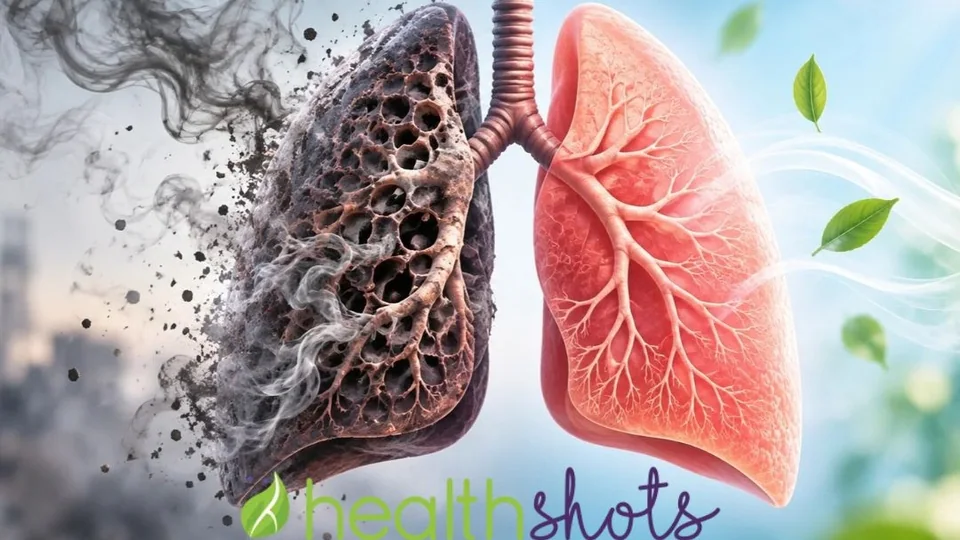
Chronic obstructive pulmonary disease (COPD) is often associated with smoking, but people who have never smoked can also develop this progressive lung condition. In India, exposure to polluted outdoor air, smoke from traditional cooking fuels and dust or chemicals at work can contribute to long-term respiratory damage.
This is an important distinction because a person’s smoking history alone cannot determine their risk of COPD. Harmful particles and gases can enter the respiratory system through everyday activities, including cooking, commuting and working in certain industrial environments. Repeated exposure may contribute to airway inflammation and a gradual decline in lung function.
For non-smokers, recognising these risks is particularly important. Persistent coughing, excess mucus, wheezing and breathlessness should not automatically be dismissed as seasonal allergies, ageing or a temporary respiratory infection.
Dr Abhijeet Singh, Associate Director and Unit Head of Pulmonology at ShardaCare – Healthcity, explains that long-term exposure to environmental pollutants can damage the airways and affect lung function. His observations highlight why COPD prevention needs to extend beyond tobacco control to include cleaner air at home, safer workplaces and better management of pollution.
Can non-smokers develop COPD?
Yes. Although smoking is a well-established risk factor, COPD can also develop in people who have never used tobacco. Long-term exposure to harmful substances in the environment or workplace can contribute to chronic inflammation and damage in the respiratory system.
COPD is an umbrella term for progressive lung conditions that obstruct airflow and make breathing increasingly difficult. The two conditions commonly associated with COPD are emphysema, which damages the air sacs in the lungs, and chronic bronchitis, which involves persistent inflammation of the airways and excess mucus production.
Not every person exposed to Air Pollution will develop COPD. Risk depends on several factors, including the type and duration of exposure, individual susceptibility and existing respiratory health. However, the absence of a smoking history should never be treated as proof that someone cannot have the disease.
How can air pollution increase COPD risk?
Outdoor air pollution is one of the environmental factors that can affect lung health. Pollutants released through traffic, industrial activities, construction, waste burning and other sources can enter the respiratory tract when people breathe polluted air.
Fine particulate matter, particularly PM2.5, is a concern because its tiny particles can travel deep into the lungs. Other pollutants, including nitrogen dioxide and sulphur dioxide, can also irritate the respiratory system. Repeated exposure may contribute to inflammation and damage over time.
Dr Singh explains that prolonged exposure to these pollutants can trigger airway inflammation, damage the airways and reduce lung function. This makes air quality a relevant concern for people living in heavily polluted urban areas, particularly when exposure continues over many years.
Who may be more vulnerable to polluted air?
People do not all respond to pollution in the same way. Individuals with existing respiratory conditions may experience worsening symptoms when exposed to poor air quality. Older adults and children can also be more vulnerable to the effects of environmental pollution.
People who live or work close to busy roads, industrial areas, construction sites or other sources of emissions may face repeated exposure. The amount of time spent outdoors, the level of pollution and the availability of cleaner indoor environments can all influence overall exposure.
Reducing contact with polluted air is not always entirely within an individual’s control, particularly in areas where pollution is widespread. However, awareness of local air quality, reducing avoidable exposure during periods of poor air quality and seeking medical advice for persistent symptoms can help people make informed decisions.
Can cooking smoke cause COPD in non-smokers?
Indoor air pollution is another important risk factor, especially in households that rely on solid fuels for cooking. Burning wood, coal, crop residue, dung cakes and similar materials can release smoke and fine particles into the home.
When cooking takes place in poorly ventilated spaces, smoke can accumulate and expose household members to harmful substances. People who spend considerable time near the cooking area may experience repeated exposure over many years.
This is particularly relevant in rural and semi-urban communities where traditional cooking fuels may still be used. Women and other household members who regularly spend time in kitchens can be exposed even if they have never smoked a cigarette or used other tobacco products.
How can households reduce exposure to cooking smoke?
Reducing indoor smoke requires attention to both the fuel being used and the way the kitchen is ventilated. Cleaner cooking fuels can help reduce the pollution produced during meal preparation. Improving ventilation can also help prevent smoke from accumulating indoors.
- Use cleaner cooking fuels: Where accessible and affordable, cleaner alternatives can reduce exposure to smoke from solid fuels.
- Improve kitchen ventilation: Proper ventilation can help smoke move out of the cooking area rather than remaining inside the home.
- Reduce indoor smoke accumulation: Avoid allowing smoke from cooking or other combustion sources to build up in enclosed spaces.
- Maintain cooking equipment: Ensure that stoves and ventilation arrangements are functioning properly.
These measures are important not only for people who already have breathing difficulties but also for reducing long-term exposure among other household members.
Can workplace dust and chemicals cause COPD?
Occupational exposure is another potential cause of COPD in people who do not smoke. Workers in certain industries may regularly inhale dust, fumes, vapours and chemical particles that can irritate or damage the respiratory system.
Construction, mining, cement manufacturing, agriculture, textile production and factory work are among the occupations in which exposure to airborne substances can be a concern. The risk depends on the materials involved, workplace conditions, exposure levels and the effectiveness of protective measures.
Unlike a short-term exposure that causes temporary irritation, repeated exposure over an extended period can contribute to lasting respiratory problems. Workers may not immediately connect a persistent cough or gradually worsening breathlessness with their working environment.
What precautions should workers take?
Workplace safety measures play an important role in preventing occupational lung disease. Employers and workers should follow applicable occupational health and safety guidelines and take steps to minimise exposure to dust and chemicals.
- Use appropriate respiratory protective equipment for the specific workplace hazard.
- Follow safety procedures for handling dust-producing materials and chemicals.
- Ensure that workplace ventilation and dust-control systems are maintained.
- Report persistent coughing, wheezing or breathlessness to a healthcare professional.
- Undergo respiratory health assessments when recommended by occupational health professionals.
Protective equipment should be selected according to the actual hazard and used correctly. A general face covering may not provide adequate protection against every type of industrial dust, vapour or chemical exposure.
What are the warning signs of COPD in non-smokers?
One of the challenges in identifying COPD among non-smokers is that early symptoms can be mistaken for less serious problems. A persistent cough may be attributed to changing weather, while breathlessness may be dismissed as a sign of ageing or poor fitness.
However, ongoing or gradually worsening respiratory symptoms deserve attention, particularly when a person has a history of exposure to pollution, household smoke or workplace dust.
Common symptoms associated with COPD include:
- Persistent cough: A cough that continues over time and does not resolve as expected.
- Excess mucus production: Regularly coughing up phlegm, particularly when it becomes a recurring problem.
- Breathlessness: Difficulty breathing during routine activities, walking or physical exertion.
- Wheezing: A whistling sound while breathing that may indicate narrowed airways.
- Chest tightness: A feeling of pressure or discomfort in the chest.
- Frequent respiratory infections: Repeated episodes of respiratory illness or infections that take longer to recover from.
These symptoms do not automatically mean that a person has COPD. Asthma, respiratory infections, heart conditions and other illnesses can cause similar problems. A medical assessment is necessary to identify the underlying cause.
Why do I keep coughing up mucus and feel breathless?
Persistent mucus production and breathlessness can occur when the airways are inflamed, narrowed or affected by excess secretions. In COPD, ongoing airway inflammation and structural changes in the lungs can make it harder to move air in and out efficiently.
However, coughing up mucus does not necessarily indicate COPD. Respiratory infections, allergies, asthma and other lung conditions can also cause persistent cough and phlegm. The duration of symptoms, associated signs and a person’s exposure history all matter when determining the likely cause.
If breathlessness is getting worse, interfering with daily activities or occurring alongside a persistent cough, medical evaluation is important. Sudden or severe difficulty breathing, chest pain, confusion or bluish lips require urgent medical attention rather than waiting for a routine appointment.
How is COPD diagnosed in non-smokers?
Diagnosis begins with a detailed medical history and physical examination. A doctor may ask about the duration of symptoms, previous respiratory illnesses, family history, exposure to air pollution, cooking fuels and occupational hazards.
One of the most important investigations for diagnosing COPD is spirometry, a type of pulmonary function test. It measures how much air a person can breathe out and how quickly they can do so. The test helps doctors identify persistent airflow obstruction.
Depending on the symptoms and examination findings, additional investigations may be recommended. These can include chest imaging and other tests to assess lung health or rule out alternative conditions.
Why is spirometry important?
Symptoms alone cannot confirm COPD. A person may have a chronic cough or breathlessness for several different reasons, so objective testing is important.
Spirometry provides information about airflow and helps doctors determine whether persistent obstruction is present. It can also support the assessment of disease severity and guide treatment decisions when interpreted alongside the patient’s clinical history.
For non-smokers, discussing environmental and occupational exposure with the doctor is particularly useful. It can help provide a more complete picture of possible causes and guide further evaluation.
What treatments are available for COPD?
There is no single treatment plan suitable for everyone with COPD. Management depends on the severity of airflow obstruction, the frequency of symptoms, the patient’s overall health and whether other medical conditions are present.
Inhaled medicines are commonly used to manage COPD. Bronchodilators help relax the muscles around the airways, making it easier to breathe. Some patients may be prescribed additional inhaled medicines depending on their symptoms and clinical assessment.
Treatment and supportive care may include:
- Inhaled medications: Bronchodilators and other prescribed inhalers can help manage symptoms and improve airflow.
- Pulmonary rehabilitation: Supervised programmes combining exercise, education and breathing strategies can help people manage daily activities.
- Breathing exercises: Techniques taught by trained healthcare professionals may help patients manage breathlessness.
- Vaccinations: Recommended vaccinations can help reduce the risk of certain respiratory infections that may worsen COPD.
- Oxygen therapy: Selected patients with persistently low blood oxygen levels may need oxygen therapy following medical assessment.
Inhalers should not be selected or used solely on the basis of online recommendations. The type of medicine, dosage and inhaler technique need to be determined with a healthcare professional. Correct technique is important because it affects how effectively the medicine reaches the lungs.
Can quitting smoking stop COPD?
Stopping smoking is one of the most important steps a person who smokes can take to protect their lungs and slow the progression of COPD. However, quitting smoking does not guarantee that existing lung damage will disappear or that the disease will be reversed.
For people who have never smoked, the message is different but equally important: avoiding tobacco does not eliminate every COPD risk. Exposure to polluted outdoor air, household cooking smoke and occupational hazards can also contribute to chronic lung damage.
People who already have COPD should follow their prescribed treatment plan and work with their doctor to reduce exposure to respiratory irritants. Those who have ongoing symptoms but have not received a diagnosis should seek evaluation rather than assuming that their lungs are healthy because they do not smoke.
How can non-smokers protect their lung health?
Preventing COPD requires action at several levels. Individuals can reduce avoidable exposure where possible, while communities, employers and public authorities have important roles in improving air quality and reducing environmental hazards.
Reduce exposure to outdoor pollution
Pay attention to local air quality information, particularly during periods of heavy pollution. When air quality is poor, reducing strenuous outdoor activity and limiting unnecessary time near major sources of emissions may help reduce exposure. People with existing respiratory conditions should follow the advice of their healthcare providers.
Keep indoor air cleaner
Use cleaner cooking fuels where possible and ensure that kitchens have adequate ventilation. Avoid unnecessary indoor smoke from burning materials, and pay attention to other sources of indoor air pollution.
Follow workplace safety practices
People working around dust, fumes and chemicals should use appropriate protective equipment and follow workplace exposure-control procedures. Employers also have a responsibility to maintain safer working conditions and provide suitable protection.
Do not ignore persistent respiratory symptoms
A cough that continues, recurring mucus production or breathlessness during ordinary activities should be discussed with a doctor. Early evaluation can help identify COPD or another respiratory condition and allow appropriate treatment to begin.
Why COPD awareness must go beyond smoking
COPD is frequently discussed in connection with tobacco use, but focusing only on smoking can leave important environmental and occupational risks overlooked. In India, exposure to outdoor pollution, household smoke from solid fuels and workplace dust or chemicals can affect people who have never smoked.
Dr Abhijeet Singh’s explanation highlights the importance of recognising these exposures when assessing respiratory health. A non-smoker with persistent breathing problems deserves the same careful evaluation as someone with a history of tobacco use.
The key message is straightforward: not smoking is an important way to protect lung health, but it does not make a person completely immune to COPD. Cleaner indoor air, reduced exposure to pollutants, workplace safety and timely medical assessment all have a role in protecting the lungs.
Persistent cough, excess mucus, wheezing and breathlessness should never be ignored simply because someone has never smoked. Appropriate testing, including spirometry when indicated, can help identify the cause and support timely treatment.
Disclaimer: This article is for informational purposes only and is not a substitute for professional medical advice, diagnosis or treatment. Consult a qualified healthcare professional about persistent respiratory symptoms or concerns about COPD. Seek urgent medical attention for sudden or severe breathing difficulty.
For breaking news and live news updates, like us on Facebook or follow us on Twitter and Instagram. Read more on Latest Lifestyle on thefoxdaily.com.






COMMENTS 0