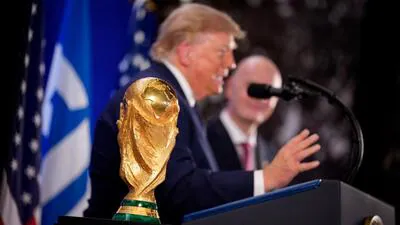
The FIFA World Cup 2026 was expected to be remembered for its footballing drama, global superstars and historic moments. Instead, it may also be remembered as the tournament that accelerated the Americanisation of Football.
For decades, football struggled to establish itself as a mainstream sport in the United States. However, as the tournament hosted across North America comes to an end, many observers believe the opposite has happened: rather than America adapting to football, football has increasingly adapted to America.
Football Meets the American Sports Model
The United States has traditionally approached sports differently from most football-loving nations. Commercial entertainment, television-driven scheduling, celebrity involvement and premium fan experiences have long been central to American sports culture.
Many of those elements became highly visible during the 2026 FIFA World Cup, creating a tournament experience that felt different from previous editions.
FIFA embraced several innovations aimed at increasing revenue, expanding audiences and attracting casual viewers, even if some traditional football supporters viewed the changes with skepticism.
Record Revenues Highlight Commercial Success
The financial success of the tournament has been one of its biggest talking points. FIFA reportedly generated significantly higher revenues than initially projected, turning the 2026 World Cup into one of the most profitable sporting events in history.
The commercial boom strengthened FIFA’s position globally and demonstrated the enormous financial potential of hosting football’s biggest competition in North America.
From sponsorships and broadcasting deals to hospitality packages and ticket sales, nearly every revenue stream reached unprecedented levels.
Championship Rings Arrive in Football
One of the most noticeable American influences has been the introduction of championship rings for World Cup winners.
Championship rings have long been associated with major American leagues such as the NFL, NBA and NHL. Traditionally, football champions receive medals and trophies, but the 2026 World Cup expanded the celebration by introducing personalized rings for members of the winning team.
Each ring is expected to feature the player’s name, shirt number, tournament branding and details of the final, creating a unique keepsake inspired by American sporting traditions.
Entertainment Becomes a Bigger Focus
The 2026 tournament also embraced entertainment on a scale rarely seen at previous World Cups. Celebrity appearances, music performances and extensive pre-match productions became a major part of the event experience.
The World Cup final generated global attention not only for the football but also for its star-studded halftime entertainment and celebrity attendance.
Supporters of the changes argue that such spectacles help attract younger audiences and casual viewers, while critics believe they risk distracting from the sport itself.
Hydration Breaks and Advertising Opportunities
Another controversial feature was the expanded use of hydration breaks during matches. While officially introduced for player welfare, these stoppages also created additional opportunities for broadcasters and sponsors.
Many football traditionalists argued that the breaks interrupted the natural flow of the game, while others viewed them as a practical adaptation to modern sporting demands.
The debate reflects a broader tension between preserving football’s traditions and maximizing its commercial value.
Record-Breaking Ticket Prices
The FIFA World Cup final between Argentina and Spain also highlighted the growing commercialization of elite football.
Ticket prices reached extraordinary levels, with premium seats selling for tens of thousands of dollars. Secondary-market listings climbed even higher, making attendance impossible for many ordinary supporters.
While demand demonstrated football’s immense popularity, the pricing sparked concerns about accessibility and whether the sport is becoming increasingly geared toward wealthy consumers.
Politics and Football Share the Spotlight
The tournament also featured an unusual level of political visibility. World leaders, government officials and major public figures were frequently involved in World Cup-related events.
The presence of politics alongside football generated mixed reactions, with some welcoming the global attention while others argued that the focus should remain on the sport itself.
The relationship between FIFA, host governments and political leaders became one of the tournament’s most discussed off-field stories.
What Does the Future Hold?
The success of the 2026 FIFA World Cup may influence how future tournaments are organized. Elements such as enhanced entertainment, premium fan experiences and commercial innovations could become more common in future editions.
Supporters believe these changes will help football continue growing globally and attract new audiences. Critics fear that excessive commercialization could gradually alter the identity of the world’s most popular sport.
Regardless of opinion, the 2026 World Cup demonstrated that American influence on football is stronger than ever. The tournament may ultimately be remembered not only for who lifted the trophy but also for how it transformed the modern football experience.
For breaking news and live news updates, like us on Facebook or follow us on Twitter and Instagram. Read more on Latest Sports on thefoxdaily.com.





COMMENTS 0