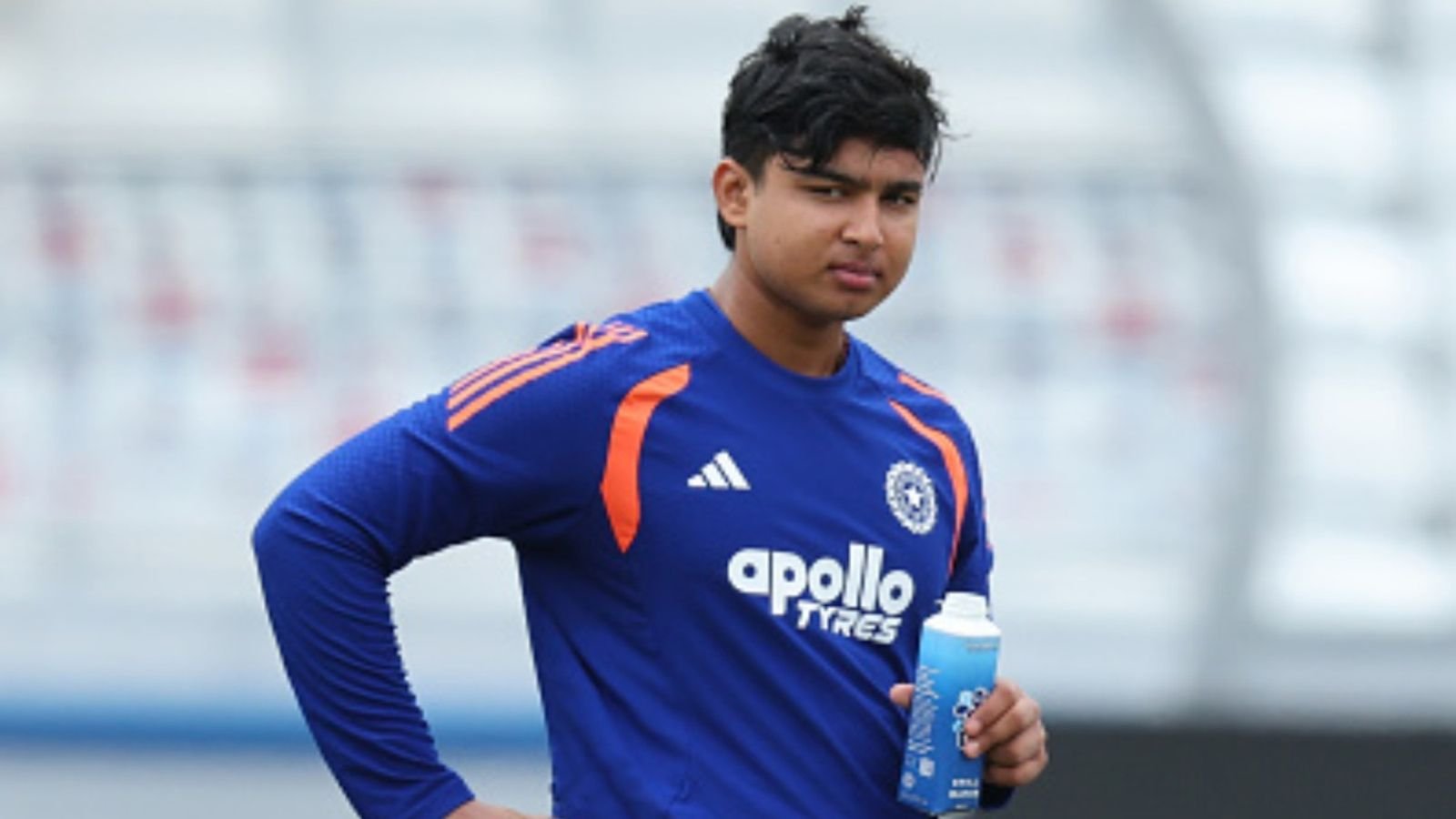
Few young cricketers have generated as much excitement in recent years as Vaibhav Sooryavanshi. At just 15 years old, the explosive batter has become one of the most talked-about prospects in Indian cricket after a series of breathtaking performances that have captured the imagination of fans, selectors, and cricket experts alike.
His recent exploits, including a stunning 94-run innings from just 29 deliveries and a record-breaking half-century, have intensified calls for an immediate India debut. Social media discussions, television debates, and fan conversations have increasingly centered on one question: Is Vaibhav Sooryavanshi ready for international cricket?
While many believe the teenage prodigy deserves an opportunity at the highest level, former South African cricketer Daryll Cullinan has offered a contrasting perspective. Rather than focusing solely on runs, strike rates, and records, Cullinan has highlighted an often-overlooked aspect of elite sport—the personal development of young athletes.
The debate surrounding Sooryavanshi is no longer just about cricket. It has become a broader conversation about talent management, mental well-being, expectations, and the responsibility of cricket boards when dealing with prodigies.
Why Vaibhav Sooryavanshi Has Become Indian Cricket’s Most Exciting Young Talent
Indian cricket has always produced exceptional young talents, but Sooryavanshi’s rise has been particularly remarkable because of the speed at which he has attracted attention.
His fearless batting approach combines modern T20 aggression with remarkable shot-making ability. What has impressed observers most is not merely the number of runs he scores but the manner in which he scores them.
Several factors have contributed to the growing hype:
- Consistently aggressive batting performances.
- Exceptional strike rates against quality bowling attacks.
- Ability to dominate powerplay overs.
- Maturity beyond his age in pressure situations.
- Success against older and more experienced opponents.
- Strong performances in high-profile tournaments.
In an era where T20 cricket rewards fearless stroke play, Sooryavanshi appears tailor-made for modern cricket. His ability to attack from the first ball has drawn comparisons with some of the game’s most dynamic young batters.
Daryll Cullinan’s Warning: Talent Needs Time to Mature
Despite acknowledging the teenager’s immense ability, Cullinan believes that exceptional talent should not automatically lead to accelerated promotion.
His argument is rooted in a principle that many former players and sports psychologists support: young athletes require time to develop both as cricketers and as individuals.
The former South African batter emphasized that childhood experiences, education, friendships, and personal growth remain important even for sporting prodigies.
According to this view, protecting a young player’s long-term future may sometimes be more important than maximizing short-term excitement.
The challenge for selectors is determining whether immediate exposure to international cricket will accelerate development or create pressures that become difficult to manage.
The Growing Pressure Around Teenage Sports Stars
Modern sports environments are vastly different from those experienced by previous generations.
Young athletes today face scrutiny from multiple directions:
- 24-hour sports news coverage.
- Social media attention.
- Fan expectations.
- Sponsorship opportunities.
- Public criticism after failures.
- Constant performance analysis.
For a 15-year-old player, handling this environment can be as challenging as facing international bowlers.
While talent may help a player succeed on the field, emotional resilience often determines whether that success can be sustained over many years.
This is one reason why many former cricketers advocate a gradual progression through age-group and developmental pathways.
What Makes the India vs England Series Significant?
The upcoming T20I series against England represents one of the most competitive assignments in modern white-ball cricket.
England remain one of the strongest T20 teams in the world, featuring experienced players, innovative tactics, and a fearless batting philosophy.
Making an international debut against such opposition would immediately place Sooryavanshi under intense pressure.
Supporters of an early debut argue that great players thrive under challenges.
Those advocating patience believe that introducing him gradually could reduce unnecessary expectations and allow him to settle into senior cricket more naturally.
Both viewpoints have merit, which explains why the debate continues to divide cricket followers.
Record-Breaking Performances Fueling the Hype
The excitement surrounding Sooryavanshi is not based on potential alone.
His recent performances have provided tangible evidence of his extraordinary ability.
Most notably, his explosive innings of 94 runs from just 29 balls demonstrated a level of dominance rarely seen from players of any age.
The knock showcased:
- Exceptional power hitting.
- Advanced shot selection.
- Fearlessness under pressure.
- Outstanding hand-eye coordination.
- Ability to accelerate rapidly.
His record-breaking half-century further reinforced the belief that he possesses rare batting talent capable of changing matches within a few overs.
Performances like these naturally generate calls for promotion to the highest level.
Lessons from Cricket’s Youngest Success Stories
Cricket history offers examples of players who debuted at remarkably young ages and went on to enjoy legendary careers.
However, history also contains examples of talented youngsters who struggled under the weight of expectations.
| Potential Benefits of Early Debut | Potential Risks of Early Debut |
|---|---|
| Exposure to elite competition | Excessive pressure |
| Accelerated learning | Confidence setbacks |
| Experience against top players | Media scrutiny |
| Longer international career | Burnout risk |
| Faster skill development | Limited personal development time |
The key challenge for selectors is determining where a player sits within this balance.
Every athlete develops differently, making blanket rules difficult to apply.
How India Has Handled Young Talents in Recent Years
Indian cricket has become increasingly sophisticated in managing emerging players.
The development pathway now includes:
- Age-group international cricket.
- India A tours.
- Domestic competitions.
- Franchise cricket opportunities.
- Specialized coaching programs.
- Sports science support systems.
This structure allows selectors to assess readiness across multiple environments before promoting players to the senior national team.
As a result, modern Indian cricket is often better equipped to nurture young talent than ever before.
The Mental Side of Elite Cricket
When discussing teenage prodigies, conversations often focus exclusively on technical skills.
Yet mental preparation can be equally important.
International cricket demands:
- Handling criticism.
- Managing fame.
- Maintaining consistency.
- Recovering from failures.
- Adapting to constant travel.
- Performing under intense scrutiny.
A player may possess world-class batting ability while still requiring time to develop these psychological skills.
This is the core of Cullinan’s argument.
His concern is not whether Sooryavanshi is talented enough but whether the timing is right for his overall development.
What Selectors Must Consider Before a Debut
Selection decisions involve far more than recent statistics.
Before handing a debut to a young player, selectors typically evaluate:
- Technical readiness.
- Mental resilience.
- Physical development.
- Team balance.
- Long-term planning.
- Ability to handle setbacks.
These factors become even more important when dealing with teenagers.
A successful debut can launch a career, but premature exposure can sometimes create obstacles that take years to overcome.
Could Sooryavanshi Still Make His India Debut Soon?
Despite Cullinan’s comments, the possibility of an international debut remains very real.
The teenager’s recent form, combined with growing excitement around his talent, has strengthened his case considerably.
His performances in training sessions have further fueled speculation that selectors may be tempted to provide an opportunity sooner rather than later.
Should he receive a chance, it would represent one of the most closely watched debuts in recent Indian cricket history.
Regardless of when that opportunity arrives, most observers agree that his future appears exceptionally bright.
The Bigger Question: Development vs Immediate Opportunity
The debate surrounding Vaibhav Sooryavanshi ultimately reflects a broader challenge faced by modern sports.
When a young athlete demonstrates extraordinary ability, should administrators accelerate their progress or protect their development?
There is no universally correct answer.
Some players flourish when exposed early to elite competition. Others benefit from additional time to mature away from the spotlight.
The best decisions often depend on the individual rather than the talent alone.
Conclusion
Vaibhav Sooryavanshi has already established himself as one of the most exciting young cricketers in the world. His record-breaking performances, fearless batting style, and remarkable consistency have created genuine excitement about his future in Indian cricket.
However, Daryll Cullinan’s comments serve as an important reminder that sporting success involves more than statistics and highlight reels. The development of a young athlete requires careful consideration of both cricketing growth and personal well-being.
Whether Sooryavanshi debuts against England or continues his development through domestic and developmental pathways, one fact remains clear: Indian cricket appears to have discovered a rare talent. The challenge now is ensuring that his journey is managed in a way that maximizes not only his immediate impact but also his long-term success.
The debate may continue, but the cricketing world will be watching closely as the next chapter of Vaibhav Sooryavanshi’s remarkable rise unfolds.
For breaking news and live news updates, like us on Facebook or follow us on Twitter and Instagram. Read more on Latest Sports on thefoxdaily.com.






COMMENTS 0