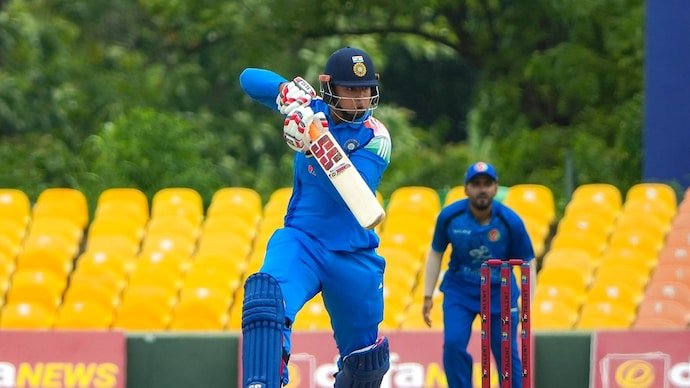
The Vaibhav Sooryavanshi talent debate has become one of the most fascinating conversations in Indian cricket. At just 15 years old, the left-handed batting prodigy has already achieved what most cricketers spend entire careers chasing—IPL stardom, national attention, and comparisons with some of the greatest players the game has ever produced.
Those comparisons gained even greater significance when India’s 1983 World Cup-winning captain Kapil Dev suggested that Sooryavanshi possesses a level of natural talent comparable to legends such as Sachin Tendulkar and Virat Kohli.
Yet Kapil’s message was not simply one of praise. It was also a warning.
While acknowledging the teenager’s remarkable gifts, he emphasized that Indian cricket must resist the temptation to place unrealistic expectations on a player who is still at the beginning of his journey.
The discussion raises a broader question facing modern cricket: how should the sport nurture extraordinary young talent in an age of social media hype, franchise leagues, and relentless public scrutiny?
Who Is Vaibhav Sooryavanshi and Why Is Everyone Talking About Him?
Few young cricketers have generated as much excitement in recent years as Vaibhav Sooryavanshi.
The Bihar-born batter rapidly emerged from promising prospect to national sensation through a combination of fearless stroke play, remarkable maturity, and extraordinary consistency in T20 cricket.
His rise accelerated dramatically after becoming one of the youngest players to feature in the Indian Premier League.
What initially appeared to be a bold selection quickly evolved into a breakthrough story as the teenager demonstrated an ability to compete against some of the world’s best bowlers.
Rather than being overwhelmed by the spotlight, he embraced the challenge and produced performances that forced cricket experts to take notice.
The IPL Performances That Changed Everything
Modern cricket careers can transform rapidly, and Sooryavanshi’s IPL performances accelerated his rise to national prominence.
His early seasons showcased several qualities rarely seen in players of his age:
- Fearless batting against international bowlers
- Exceptional hand-eye coordination
- Natural power hitting ability
- Strong game awareness
- Confidence under pressure
- Ability to score at a high strike rate
These traits helped establish him as one of the most exciting young batting prospects in world cricket.
More importantly, they sparked discussions about whether Indian cricket had discovered another generational talent.
Why Kapil Dev’s Comparison Matters
Comparisons with Sachin Tendulkar and Virat Kohli are not made lightly.
Both players transformed Indian cricket and set standards that few cricketers in history have approached.
Tendulkar carried the expectations of a cricket-obsessed nation for more than two decades while becoming one of the most accomplished batters the sport has ever seen.
Kohli elevated batting consistency to unprecedented levels across formats and established himself as one of the defining players of his generation.
When Kapil Dev places Sooryavanshi’s natural ability in the same conversation, he is highlighting something rare.
Importantly, he is referring to raw talent rather than achievements.
The distinction is crucial because talent opens doors, but sustained excellence determines legacy.
Talent Versus Greatness: Understanding the Difference
One of the most insightful aspects of Kapil Dev’s comments is the distinction between talent and accomplishment.
Cricket history is filled with gifted players who never fulfilled their potential.
Equally, some of the sport’s greatest performers succeeded because of discipline, adaptability, and relentless improvement rather than extraordinary natural gifts alone.
Greatness typically requires:
- Technical development
- Mental resilience
- Fitness and durability
- Adaptability across formats
- Consistency under pressure
- Longevity over many years
Sooryavanshi has already demonstrated remarkable talent, but the journey toward becoming an all-format great remains long and demanding.
Why T20 Success Does Not Guarantee Test Cricket Excellence
Kapil Dev’s most important observation centered on Test cricket.
While Sooryavanshi has excelled in T20 cricket, longer formats present entirely different challenges.
T20 cricket rewards aggression, innovation, and rapid scoring.
Test cricket often demands patience, discipline, and the ability to survive difficult periods against elite bowling attacks.
A batter may dominate in one format while struggling in another.
This is why many cricket experts remain cautious about predicting long-term success based solely on T20 performances.
| T20 Cricket | Test Cricket |
|---|---|
| Fast Scoring Priority | Long-Term Survival and Building Innings |
| High-Risk Shot Making | Technical Discipline |
| Limited Overs | Potentially Five Days of Cricket |
| Immediate Impact | Sustained Concentration |
| Attacking Mindset | Strategic Patience |
The ability to succeed in both environments often separates great players from specialists.
The Pressure of Being Called the Next Big Thing
Modern sports culture often creates challenges for young stars.
Social media, television coverage, and constant online discussion can amplify expectations to extraordinary levels.
For a teenager, managing that attention can be as difficult as facing world-class bowlers.
History shows that excessive hype can sometimes become a burden.
Young athletes may feel pressure to justify comparisons, meet unrealistic expectations, or accelerate development before they are ready.
Kapil Dev’s warning reflects an understanding that talent flourishes best when allowed to develop naturally.
Lessons From Sachin Tendulkar’s Career
Ironically, the comparison with Sachin Tendulkar also provides an important lesson.
Although Tendulkar was recognized as a prodigy from an early age, his greatness was built over years of continuous improvement.
He evolved technically, mentally, and physically throughout his career.
His success was not simply the product of talent but also discipline, preparation, and adaptability.
For young players like Sooryavanshi, this may be the most valuable lesson of all.
Natural ability can create opportunities, but long-term excellence requires constant evolution.
Why Indian Cricket Must Protect Young Talent
India’s cricket ecosystem has become one of the most competitive environments in the world.
The opportunities available to young players are greater than ever before, but so are the pressures.
Managing elite prospects requires careful planning.
Key priorities should include:
- Gradual exposure to international cricket
- Balanced workload management
- Technical development across formats
- Mental conditioning support
- Long-term career planning
- Protection from excessive external pressure
The objective should not be rapid success alone but sustainable growth over an entire career.
The Importance of Red-Ball Development
One area likely to shape Sooryavanshi’s future is red-ball cricket.
Many modern young players gain prominence through T20 leagues, but Test cricket remains the ultimate examination of batting technique and temperament.
Long innings require concentration, shot selection, and adaptability that differ significantly from franchise cricket.
Developing those skills could determine whether Sooryavanshi becomes a T20 specialist or a complete all-format batter.
This is why cricket administrators and coaches often place considerable emphasis on red-ball development pathways.
India’s Golden Generation and the Opportunity Ahead
Indian cricket currently possesses an extraordinary pool of young talent.
A new generation of players is emerging across domestic cricket, franchise tournaments, and age-group competitions.
Sooryavanshi represents one of the most exciting figures within that movement.
His rise demonstrates the effectiveness of modern scouting systems and development programs that identify talent at increasingly younger ages.
If managed correctly, he could become a key figure in India’s future across multiple formats.
The Unique Challenge Facing Modern Young Cricketers
One major difference between today’s players and previous generations is the speed at which fame arrives.
In earlier eras, cricketers often spent years developing in domestic competitions before entering the spotlight.
Today, a single IPL season can transform a teenager into a national celebrity.
This accelerated pathway creates opportunities but also challenges.
Young players must learn to handle attention, expectations, endorsements, and public scrutiny while continuing to improve their game.
The ability to remain focused amid such distractions has become an increasingly important skill.
A Unique Insight: The Real Test Starts After the Breakthrough
The most important phase of a sporting career often begins after the breakthrough moment.
Reaching the top level requires talent and opportunity.
Staying there requires constant adaptation.
Bowlers will study Sooryavanshi’s strengths and weaknesses. Opponents will develop plans specifically designed to counter his style.
The challenge then becomes evolution.
Many prodigies shine briefly before fading. The rarest talents continue improving even after achieving success.
That may ultimately determine whether Sooryavanshi fulfills the extraordinary potential that Kapil Dev sees in him.
What the Future Could Hold
Predicting the career trajectory of a 15-year-old cricketer is impossible.
However, the ingredients for success are clearly present.
He possesses natural talent, confidence, proven performance at a young age, and access to one of the strongest cricketing systems in the world.
If development continues steadily, opportunities in international cricket across formats are likely to follow.
The focus now should be on growth rather than comparisons.
Every great career develops at its own pace.
Conclusion
The Vaibhav Sooryavanshi talent discussion reflects both excitement and responsibility. Kapil Dev’s comparison with Sachin Tendulkar and Virat Kohli highlights the extraordinary potential visible in the young batter, but his warning may be equally important.
Talent alone does not guarantee greatness. The true measure of Sooryavanshi’s career will be determined by how he develops across formats, adapts to increasing challenges, and handles the immense expectations that accompany early success.
For now, Indian cricket has every reason to be excited. But as Kapil Dev wisely suggests, patience may be the most valuable investment in ensuring that one of the sport’s brightest young talents reaches his full potential.
For breaking news and live news updates, like us on Facebook or follow us on Twitter and Instagram. Read more on Latest Sports on thefoxdaily.com.






COMMENTS 0