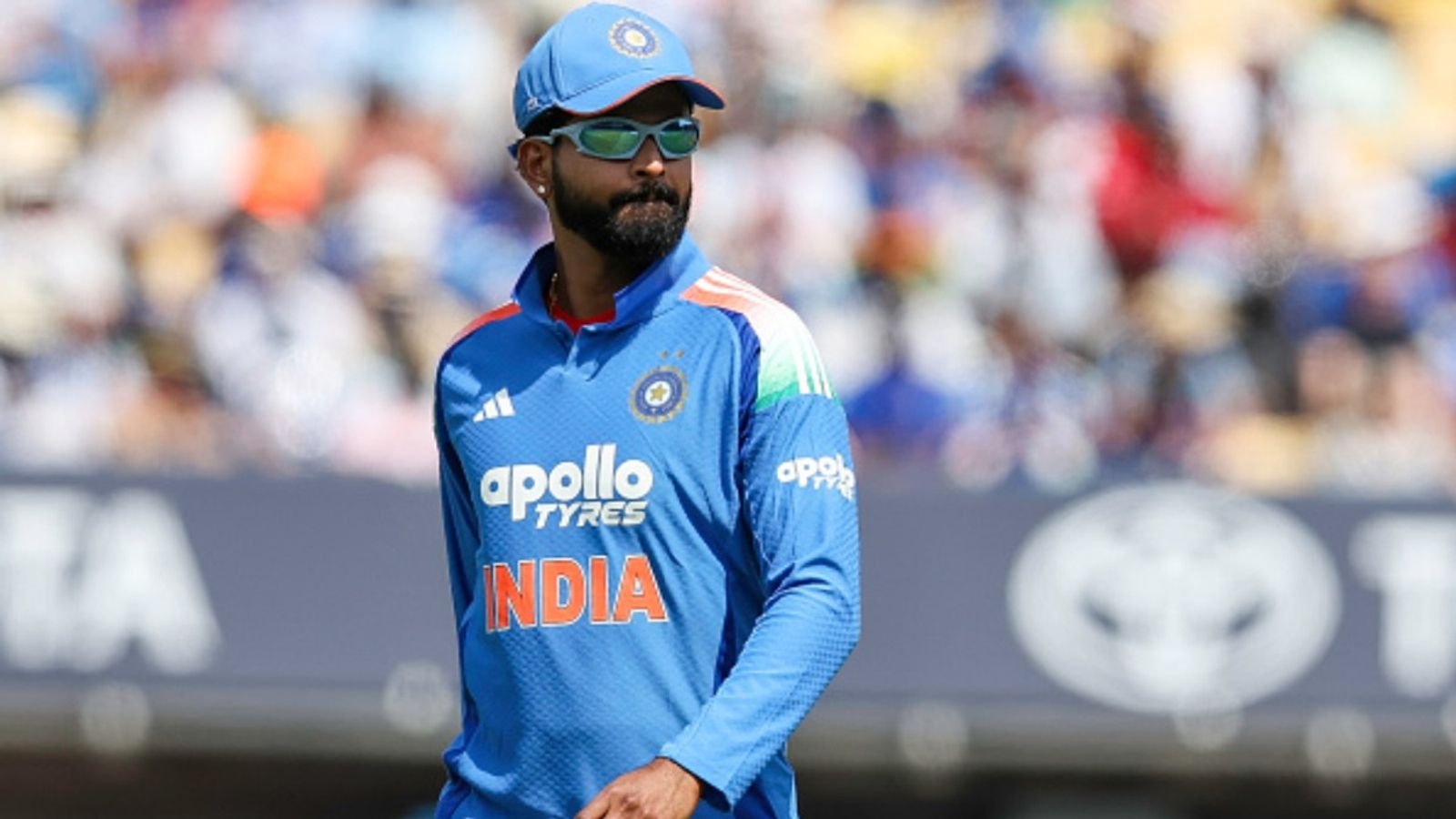
Indian cricket is once again facing a scheduling challenge that highlights the growing demands of the modern international calendar. With the Asian Games 2026 men’s cricket competition set to overlap with India’s ODI series against the West Indies, several prominent players are expected to miss the Caribbean assignment.
Among the biggest names likely to be unavailable are Shreyas Iyer, Jasprit Bumrah, Axar Patel, Ishan Kishan, Arshdeep Singh, Washington Sundar, Nitish Kumar Reddy, and Harshit Rana. While such absences would normally weaken any squad, the situation also presents a fascinating opportunity for India’s next generation of cricketers to stake their claim ahead of the 2027 ODI World Cup cycle.
The development underscores an increasingly important reality in international cricket: depth matters more than ever. As teams juggle multiple tournaments, bilateral series, franchise commitments, and player workload management, building a strong bench has become just as critical as producing world-class stars.
Why Are India’s Leading Players Set to Miss the West Indies ODI Series?
The primary reason is a direct scheduling conflict between two major events.
India’s ODI series against the West Indies is scheduled between September 27 and October 3, 2026. Meanwhile, the men’s cricket competition at the Asian Games 2026 will run from September 24 to October 1.
Since the dates overlap almost entirely, players selected for the Asian Games squad will not be available for ODI duty.
Unlike previous years when second-string teams were occasionally sent to multi-sport events, the importance of the Asian Games has increased significantly. Cricket’s growing profile in Asia and the opportunity to win a prestigious international medal mean national boards are taking the competition more seriously than ever before.
The Eight Players Expected to Miss the West Indies Tour
The following Indian cricketers are currently expected to be unavailable for the ODI series:
- Shreyas Iyer
- Jasprit Bumrah
- Axar Patel
- Ishan Kishan
- Washington Sundar
- Arshdeep Singh
- Nitish Kumar Reddy
- Harshit Rana
This group includes established ODI performers, experienced all-rounders, frontline fast bowlers, and players viewed as important components of India’s long-term white-ball plans.
Why Shreyas Iyer’s Absence Could Be the Biggest Talking Point
Among all the potential absentees, Shreyas Iyer’s absence may attract the most attention.
Over the last few years, Iyer has become one of India’s most dependable middle-order batters in ODI cricket. His ability to rotate strike, accelerate against spin, and handle pressure situations has made him a crucial figure in India’s batting lineup.
As captain of India’s Asian Games squad, his leadership responsibilities further increase his importance. The tournament provides him an opportunity not only to contribute with the bat but also to strengthen his credentials as a future leadership option in Indian cricket.
For selectors, his absence from the West Indies series could open the door for younger middle-order players seeking international exposure.
What Bumrah’s Unavailability Means for India’s Bowling Attack
Jasprit Bumrah remains India’s most influential white-ball bowler. His absence would naturally leave a significant gap in any ODI lineup.
Bumrah’s unique combination of accuracy, pace variation, yorkers, and experience makes him one of the most difficult bowlers to replace in world cricket.
However, from a workload-management perspective, the timing may not be entirely negative. With major ICC tournaments on the horizon, India’s management will be keen to ensure Bumrah remains physically fresh and injury-free.
Modern cricket increasingly prioritizes long-term fitness over short-term availability, especially for fast bowlers carrying enormous workloads throughout the year.
The Importance of Axar Patel and Washington Sundar
India’s white-ball balance often depends heavily on multi-skilled cricketers, which is why the possible absence of Axar Patel and Washington Sundar could be significant.
Both players offer valuable flexibility:
- Reliable spin bowling options
- Lower-order batting depth
- Strong fielding contributions
- Tactical matchup advantages against different opponents
In modern ODI cricket, teams increasingly prioritize players capable of contributing across multiple disciplines. Losing two such players simultaneously would force selectors to rethink the squad’s overall composition.
How the Asian Games Have Changed Cricket Selection Strategies
The Asian Games have transformed from a secondary event into a major target for several cricket-playing nations.
Winning a continental gold medal now carries substantial prestige, especially as cricket seeks greater integration into global multi-sport competitions.
For India, success at the Asian Games serves multiple purposes:
- Strengthening the country’s medal tally
- Providing international experience to emerging players
- Testing leadership groups outside traditional senior squads
- Enhancing cricket’s visibility across Asia
This explains why the Board of Control for Cricket in India (BCCI) is expected to prioritize a competitive Asian Games squad despite the overlap with bilateral commitments.
Potential Replacements for the West Indies ODI Series
The scheduling conflict could create opportunities for several players who are either on the fringes of the national setup or looking to re-establish themselves in ODI cricket.
| Player | Possible Role | Opportunity |
|---|---|---|
| Yashasvi Jaiswal | Opening Batter | Regular ODI spot contention |
| Ruturaj Gaikwad | Top-order Batter | Middle-order or opening option |
| Mohammed Siraj | Fast Bowler | Lead pace attack |
| Ravindra Jadeja | All-rounder | Senior leadership role |
| Ayush Badoni | Middle-order Batter | International breakthrough chance |
| Harsh Dubey | Spin All-rounder | ODI exposure |
| Prince Yadav | Pacer | Emerging fast-bowling option |
| Gurnoor Brar | Seam Bowler | Development pathway |
Several of these players have already impressed in domestic cricket, India A matches, or recent international opportunities.
Why This Could Benefit India’s 2027 World Cup Preparation
At first glance, losing eight important players appears problematic. However, from a strategic perspective, the situation could prove extremely valuable.
India’s preparation for the 2027 ODI World Cup requires the identification of backup options in every position. Injuries, loss of form, and workload concerns make squad depth essential for any championship-winning team.
The West Indies series could function as a large-scale audition for future World Cup candidates.
Selectors would gain insights into:
- Batting depth under international pressure
- Middle-order stability options
- Alternative bowling combinations
- Bench strength against quality opposition
- Potential leadership candidates
In many ways, these opportunities often reveal more about a team’s future than series played with a full-strength squad.
Could Vaibhav Sooryavanshi Benefit Indirectly?
One intriguing subplot involves young sensation Vaibhav Sooryavanshi.
Although he is part of India’s Asian Games plans, the broader scheduling conflict reflects the growing emphasis on youth development within Indian cricket.
Players like Sooryavanshi represent the next generation that selectors are eager to expose to high-level competition. The willingness to trust younger players in major tournaments suggests Indian cricket is entering a transition phase where long-term planning is receiving greater attention.
This strategy mirrors approaches adopted successfully by teams such as Australia and England, which have consistently refreshed their squads while maintaining competitiveness.
Comparing India’s Depth With Other Cricket Nations
Few countries possess the player pool required to comfortably handle the loss of eight established internationals.
India’s domestic structure, IPL ecosystem, and extensive talent pipeline provide a unique advantage.
Countries with smaller talent pools often struggle when multiple first-choice players become unavailable. India, by contrast, regularly fields competitive teams even when major stars are rested, injured, or committed elsewhere.
This depth has become one of the defining strengths of Indian cricket in the modern era.
The West Indies series may therefore serve as another demonstration of how effectively India can manage simultaneous international commitments.
The Bigger Issue: Cricket’s Crowded Calendar
The scheduling conflict also raises broader questions about cricket’s increasingly congested calendar.
Players now navigate:
- International tours
- ICC tournaments
- Asian Games and multi-sport events
- Franchise leagues worldwide
- Domestic commitments
- Training and recovery periods
As cricket expands globally, governing bodies face growing challenges in creating schedules that satisfy all stakeholders without overburdening players.
The India-West Indies and Asian Games overlap is only the latest example of a problem that international cricket will continue to confront in coming years.
What to Expect From India’s Squad Selection
Selectors are likely to balance experience with experimentation.
Senior players such as Ravindra Jadeja or Mohammed Siraj could provide stability, while younger names may receive opportunities to prove themselves at international level.
The selection philosophy will likely focus on evaluating players who could contribute during the build-up to the 2027 World Cup rather than simply replacing absent stars on a like-for-like basis.
That approach could make the West Indies series one of India’s most interesting ODI assignments of the year despite the absence of several high-profile names.
Conclusion: A Challenge That Could Become an Opportunity
The likely absence of Shreyas Iyer, Jasprit Bumrah, Axar Patel, Ishan Kishan, Washington Sundar, Arshdeep Singh, Nitish Kumar Reddy, and Harshit Rana from the West Indies ODI series represents a significant challenge for India. However, it also offers a rare opportunity to test the country’s extraordinary cricketing depth.
With the Asian Games taking place simultaneously, Indian cricket faces a balancing act between pursuing international success and preparing for future global tournaments. The resulting squad reshuffle could accelerate the development of emerging players while providing selectors with valuable information ahead of the 2027 ODI World Cup.
Ultimately, the scheduling clash may prove less about who misses the series and more about who seizes the opportunity created by their absence. For India’s next generation of cricketers, the West Indies tour could become a defining moment in their international careers.
For breaking news and live news updates, like us on Facebook or follow us on Twitter and Instagram. Read more on Latest Sports on thefoxdaily.com.






COMMENTS 0