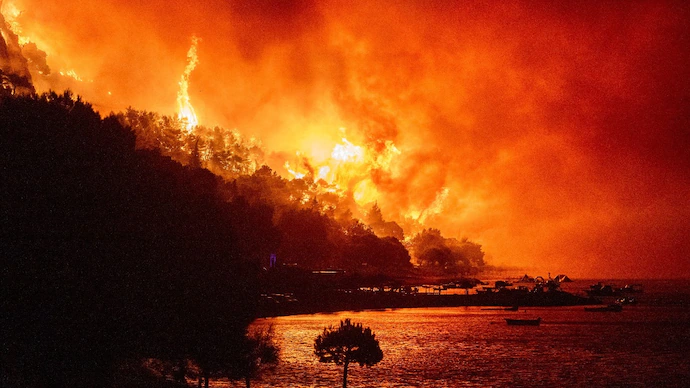
2026 could become one of the hottest years ever recorded, extending an extraordinary period of global warming that has lasted more than a decade. The United Nations has warned that rising temperatures, record ocean heat and increasing sea levels are intensifying climate risks, with a developing El Niño potentially adding further pressure on global temperatures.
In its latest State of the Climate Update 2026, released on November 9, the World Meteorological Organization (WMO) said the 12-year period from 2015 to 2026 is on track to become the warmest consecutive 12-year period in recorded history. The past four years, including 2026, are also expected to occupy the top four positions in global temperature records.
The warning comes as world leaders gather in Antalya, Türkiye, for the COP31 climate summit. Rising temperatures, increasingly dangerous weather events and the need for stronger climate action are expected to remain central issues during the discussions.
According to the WMO, the global average temperature between January and September 2026 was approximately 1.47°C above the pre-industrial average recorded between 1850 and 1900. The figure highlights how close the world remains to the internationally recognised 1.5°C warming threshold.
2026 Could Extend the World’s 12-Year Record Heat Streak
The latest climate assessment points to an extended period of unusually high global temperatures. Rather than representing an isolated hot year, the warming recorded in 2026 is part of a longer trend that has continued since the middle of the previous decade.
The WMO expects the years from 2015 through 2026 to form the warmest 12-year period in the historical temperature record. It also expects 2023, 2024, 2025 and 2026 to occupy the four warmest positions, with 2024 retaining the highest position for now.
This pattern matters because sustained warming can have consequences beyond individual temperature records. Higher average temperatures increase the likelihood and intensity of certain extreme heat events and place additional pressure on ecosystems, agriculture, water resources and public health.
The January-to-September average of approximately 1.47°C above pre-industrial levels also shows how far global temperatures have moved from the climate conditions that existed before large-scale industrialisation.
However, the 1.5°C threshold is generally assessed using longer-term global temperature averages, rather than a single year’s reading. A temporary annual average above that level would not, by itself, mean that the long-term threshold has been permanently crossed.
Why Is 2026 Getting Hotter?
The main driver of the long-term rise in global temperatures is human activity, particularly the burning of fossil fuels such as coal, oil and natural gas. These activities release greenhouse gases, including carbon dioxide, which trap heat in the atmosphere and contribute to global warming.
Deforestation and other changes in land use also contribute to the climate problem by affecting the natural systems that absorb and store carbon. As greenhouse gas concentrations increase, more heat is retained within the Earth’s climate system.
Natural climate patterns can influence temperatures from one year to another, but they operate on top of this longer-term human-driven warming trend. One important factor currently adding to global temperatures is the developing El Niño.
Developing El Niño Could Push Temperatures Even Higher
El Niño is a natural climate phenomenon associated with unusually warm sea surface temperatures in parts of the central and eastern equatorial Pacific Ocean. It changes the movement of heat and moisture through the atmosphere and can influence weather patterns across different regions of the world.
During an El Niño event, warmer-than-usual Pacific waters release additional heat into the atmosphere. This can temporarily increase global average temperatures, particularly when the phenomenon develops against an already warming climate background.
The WMO said El Niño had intensified since August and could reach exceptional strength by December. Its effects are expected to continue into early 2027, potentially contributing to further temperature increases next year.
This means the developing event could make an already challenging climate situation more severe. However, El Niño is not the underlying cause of the long-term warming trend. Human-generated greenhouse gas emissions remain the primary driver, while natural climate variability influences how warming develops over shorter periods.
The potential combination of continued greenhouse gas-driven warming and a strong El Niño is one reason scientists are closely monitoring global temperature developments over the coming months.
Record Ocean Heat Adds to the Climate Warning
The WMO’s assessment shows that the warming trend is not limited to the air above the Earth’s surface. Ocean temperatures have also reached unprecedented levels, with ocean heat setting a record for the 10th consecutive year.
The oceans play a major role in the global climate system because they absorb much of the excess heat trapped by greenhouse gases. This helps moderate atmospheric warming in the short term, but it also means that large amounts of additional energy are accumulating in the ocean.
Increasing ocean heat can affect marine ecosystems, contribute to coral bleaching and disrupt the conditions on which marine species depend. Changes in ocean temperatures can also influence rainfall patterns, storms and other weather systems.
Another major concern is the relationship between warmer oceans and rising sea levels. As seawater heats up, it expands, contributing to an increase in ocean volume. This process, known as thermal expansion, is one of the important factors behind global sea-level rise.
Global Sea Levels Reach Their Highest Point in Satellite Records
Global sea levels have climbed to their highest point since satellite measurements began in 1993, according to the WMO update. The rise reflects the combined effects of warming oceans and the loss of ice from glaciers and major ice sheets.
As glaciers and ice sheets melt, additional water enters the oceans. At the same time, warmer seawater occupies more space as it expands. Together, these processes contribute to long-term sea-level rise.
The consequences are particularly serious for coastal communities and low-lying areas. Higher sea levels can increase the reach and impact of coastal flooding, especially when combined with storm surges, high tides and intense rainfall.
Communities living near vulnerable shorelines may face growing risks to homes, infrastructure, transport networks and freshwater supplies. The effects can also create financial pressure for governments that need to strengthen coastal protection or relocate infrastructure away from exposed areas.
Sea-level rise is a long-term consequence of Climate Change. Even if global temperatures stop increasing, oceans and ice systems can continue responding to accumulated heat, meaning some impacts may persist for decades or longer.
Heatwaves, Droughts and Heavy Rainfall Pose Growing Risks
Rising global temperatures are affecting weather patterns and increasing the risks associated with several types of extreme weather. Heatwaves, droughts and heavy rainfall can become more dangerous in a warmer climate, although the effects vary by region and event.
Extreme heat poses direct risks to human health, particularly for older people, outdoor workers, children and those without access to adequate cooling. Prolonged periods of high temperatures can also increase pressure on hospitals, electricity networks and water supplies.
Agriculture is another sector exposed to rising temperatures. Heat stress can damage crops, affect livestock and reduce agricultural productivity. When high temperatures occur alongside drought, farmers may face additional difficulties because water becomes less available for irrigation and other essential activities.
Heavy rainfall presents a different set of challenges. A warmer atmosphere can hold more moisture, which can contribute to intense rainfall in suitable weather conditions. Such events can increase the risk of flash floods, river flooding, landslides and damage to infrastructure.
These climate-related pressures can also affect food security. Crop losses, disrupted transport and damage to agricultural infrastructure may influence food availability and prices, particularly in regions already facing economic or environmental difficulties.
WMO Chief Warns of an Increasingly Dangerous Climate Period
Releasing the climate update as COP31 opened, WMO Secretary-General Celeste Saulo warned that the world was entering an increasingly dangerous period of climate extremes.
The assessment brings together several indicators of climate change, including record global temperatures, rising ocean heat and higher sea levels. Their combined movement shows that climate change is affecting multiple parts of the Earth’s system at the same time.
The warning also highlights the importance of reliable climate monitoring. Temperature records alone cannot describe the full scale of the changes taking place. Ocean measurements, sea-level observations and other climate indicators help scientists understand how warming is affecting the planet and what risks may emerge.
As climate extremes become more challenging, governments need to prepare for their consequences through stronger early-warning systems, improved infrastructure and better protection for vulnerable communities.
Antonio Guterres Calls for Faster Cuts in Greenhouse Gas Emissions
UN Secretary-General Antonio Guterres has urged governments to accelerate reductions in greenhouse gas emissions, move away from fossil fuels and provide greater financial support to countries most vulnerable to climate change.
Reducing emissions is central to limiting future global warming. This requires countries to address their dependence on coal, oil and gas while expanding cleaner energy sources and improving energy efficiency.
The transition also involves challenges for developing economies, which need affordable energy to support industrial growth, employment and access to essential services. Climate policies therefore involve questions about investment, technology, energy security and the distribution of financial responsibilities.
Financial support is particularly important for countries that face serious climate risks but have fewer resources to prepare for extreme weather, rising sea levels and other impacts. Funding can help strengthen infrastructure, improve disaster preparedness and support adaptation measures.
Guterres’s appeal comes as governments face growing pressure to turn climate commitments into measurable action. Announcements and long-term targets need to be supported by practical policies, investment and sustained reductions in emissions.
COP31 Puts Global Climate Action Under Renewed Pressure
The latest WMO warning comes as world leaders gather in Antalya, Türkiye, for COP31. The annual UN climate negotiations provide a platform for countries to discuss emissions reductions, climate finance, adaptation and international cooperation.
The timing of the climate update adds urgency to those discussions. With 2026 potentially becoming one of the warmest years on record, governments are facing fresh evidence of the scale of the challenge.
One major issue is how quickly countries can reduce greenhouse gas emissions. Another is how climate finance can reach countries and communities that are already experiencing serious consequences from global warming.
Adaptation is also essential. Even with stronger emissions reductions, some climate impacts are already unavoidable because of the heat accumulated in the atmosphere, oceans and wider climate system. Governments therefore need to invest in systems that can protect people from heatwaves, flooding, droughts and other hazards.
The effectiveness of international climate negotiations will depend on whether countries can translate their commitments into action at home. The latest temperature and ocean records underline the importance of moving beyond declarations towards practical implementation.
What the 2026 Climate Warning Means for the Years Ahead
The WMO’s assessment presents a warning that extends beyond the possibility of another record-breaking year. The combination of sustained global warming, a developing El Niño, record ocean heat and rising sea levels points to growing pressure on natural systems and human communities.
If El Niño strengthens as expected, it could contribute to additional warming in the coming months and influence global temperatures into early 2027. However, the longer-term direction of the climate will continue to depend largely on greenhouse gas emissions and the speed at which countries reduce them.
For governments, the challenge is twofold: limit further warming by cutting emissions and prepare communities for climate impacts that are already occurring. This includes strengthening disaster warning systems, protecting coastal areas, improving water management and making infrastructure more resilient to extreme weather.
The latest UN warning reinforces the need for urgent and sustained climate action. Whether 2026 ultimately ranks among the hottest years on record, the broader message remains clear: global temperatures are continuing to rise, oceans are accumulating heat and the consequences are becoming increasingly difficult to ignore.
For breaking news and live news updates, like us on Facebook or follow us on Twitter and Instagram. Read more on Latest Technology on thefoxdaily.com.






COMMENTS 0