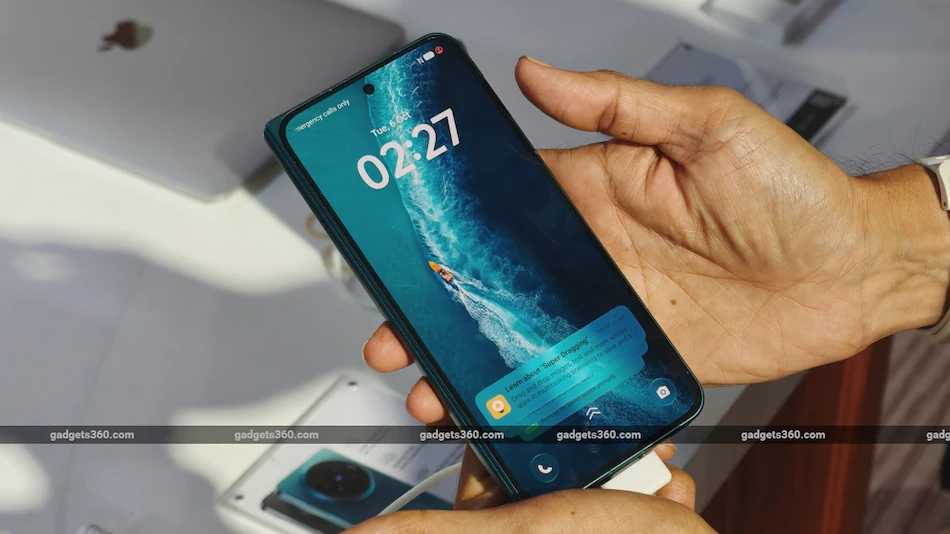
Vivo may be preparing a significant hardware upgrade for its next premium foldable smartphone. The rumoured Vivo X Fold 7 has reportedly entered development, with the company evaluating multiple flagship processors from Qualcomm and MediaTek. If the latest leak proves accurate, the upcoming device could become one of Vivo’s most technologically advanced Foldable Smartphones.
According to Chinese tipster Digital Chat Station, Vivo is testing three potential chipset options: MediaTek’s Dimensity 9600 Pro, Qualcomm’s Snapdragon 8 Elite Gen 6 and the Snapdragon 8 Elite Extreme Gen 6. All three processors are reportedly based on a 2nm manufacturing process, although their specifications and commercial availability have not been officially confirmed by the manufacturers.
The most interesting aspect of the leak is that Vivo may not have made its final processor decision. The tipster suggests that the company is comparing chipset prices before selecting the processor for its next-generation foldable. This could make component costs an important factor in determining the X Fold 7’s final hardware configuration.
Beyond the processor, the upcoming smartphone is also expected to retain Vivo’s traditional book-style foldable design rather than adopting a significantly wider display format. If accurate, this would indicate that Vivo intends to continue developing its existing foldable design philosophy instead of following every design change emerging in the premium foldable market.
However, the Vivo X Fold 7 remains an unannounced product. Its launch date, pricing, camera specifications, battery capacity and final chipset have not been officially revealed.
Vivo X Fold 7 Chipset Leak: Three 2nm Processors Reportedly Under Testing
The latest information about the Vivo X Fold 7 comes from Digital Chat Station, a Chinese technology tipster who shared details about Vivo’s next-generation foldable through a post on Weibo on November 18, 2026.
According to the translated information, Vivo is evaluating three flagship processors for the upcoming device. Instead of committing to a single chipset manufacturer early in development, the company appears to be considering competing solutions from Qualcomm and MediaTek.
The reported processors include:
- MediaTek Dimensity 9600 Pro: MediaTek’s upcoming flagship processor, reportedly being considered for the X Fold 7.
- Qualcomm Snapdragon 8 Elite Gen 6: The processor identified by the model number SM8950.
- Qualcomm Snapdragon 8 Elite Extreme Gen 6: The higher-tier processor associated with the model number SM8975.
All three options are reportedly based on next-generation 2nm manufacturing technology. However, this does not mean Vivo has confirmed that the X Fold 7 will use a 2nm processor. The company is said to be testing multiple options, and the final selection remains uncertain.
The distinction is important because smartphone leaks frequently describe hardware being evaluated during development as though it were already confirmed for the retail product.
Why Is Vivo Considering Three Different Processors?
Evaluating multiple processors gives smartphone manufacturers greater flexibility when making decisions about performance, power consumption, production costs and component availability.
For a premium foldable device, the processor has to handle more than ordinary smartphone applications. Users may run several applications simultaneously, switch between different screen layouts, edit documents, play demanding games and use camera features while the device is unfolded.
These activities place different demands on the processor. CPU performance influences general computing tasks, GPU capabilities affect graphics-intensive applications, and the chipset’s integrated AI and image-processing capabilities can influence other smartphone features.
Consequently, Vivo’s reported decision will involve more than selecting the processor with the highest theoretical performance. The company will also need to consider how well the chipset works with its software, cooling system, battery and overall device design.
MediaTek Dimensity 9600 Pro vs Snapdragon 8 Elite Gen 6: Why Pricing Could Decide the Winner
One of the most revealing details in the leak concerns the reported pricing difference between MediaTek and Qualcomm.
Digital Chat Station reportedly suggested in the comments section of the Weibo post that the Dimensity 9600 Pro is currently more expensive than Qualcomm’s competing offerings. If that information is accurate, Vivo may have a financial reason to consider the Snapdragon alternatives.
This could influence the direction of the X Fold 7’s processor strategy.
Vivo’s previous foldable models have primarily used Qualcomm processors, but the current X Fold 6 introduced a change by adopting MediaTek’s Dimensity 9500 Super Edition. A return to Qualcomm would therefore represent another shift in the company’s chipset selection.
What Could the Snapdragon Option Mean?
If Vivo selects the Snapdragon 8 Elite Gen 6 or Snapdragon 8 Elite Extreme Gen 6, the decision could represent a return to Qualcomm-powered hardware in its main foldable lineup.
However, the two Snapdragon processors mentioned in the leak should not automatically be treated as identical alternatives. Their positioning and capabilities may differ, particularly if the Extreme version is intended to occupy a higher performance category.
The exact differences between these unannounced processors have not been established in the supplied information. Their final specifications, clock speeds, GPU configurations and power requirements should not be assumed.
For Vivo, the decision could depend on which processor provides the most suitable combination of performance, availability and commercial pricing.
Why MediaTek Still Remains an Important Option
MediaTek’s continued presence in the evaluation process is equally significant.
The Dimensity 9500 Super Edition inside the Vivo X Fold 6 demonstrates that Vivo is willing to use MediaTek’s flagship hardware in an expensive foldable smartphone. This represents a meaningful change from the earlier generations of the X Fold family.
If the company eventually chooses the Dimensity 9600 Pro for its successor, it would continue that strategy and potentially strengthen the relationship between Vivo’s premium smartphones and MediaTek’s flagship processor lineup.
However, the reported higher price of the Dimensity 9600 Pro could complicate that decision. Even in the ultra-premium smartphone category, component costs matter because manufacturers must balance hardware improvements against the final retail price.
2nm Smartphone Processors: Why This Upgrade Could Matter for Foldable Phones
The reported move towards 2nm processors is potentially one of the biggest hardware developments associated with the Vivo X Fold 7.
Modern smartphone processors are manufactured using advanced semiconductor fabrication technologies. The manufacturing process plays an important role in determining how manufacturers design chips, manage power consumption and improve computing capabilities.
A move to a newer manufacturing generation can create opportunities for improvements in performance and energy efficiency. However, the actual benefits depend on the processor architecture, manufacturing technology, power management and the specific design of the chip.
It is therefore too early to claim that the Vivo X Fold 7 will automatically deliver a particular percentage improvement in performance or battery life simply because it may use a 2nm processor.
Better Multitasking Could Be a Major Advantage
Foldable smartphones are designed to offer a different experience from conventional smartphones. Their larger inner displays provide more room for multitasking, document editing, media consumption and productivity applications.
A powerful flagship chipset could help support these activities, particularly when users operate multiple applications simultaneously.
For example, someone working on an unfolded device might keep a document open while browsing the internet and communicating through a messaging application. Such activities require the processor and memory system to manage multiple workloads efficiently.
A newer processor could provide additional performance headroom, although the final experience will also depend on Vivo’s software optimisation and available RAM.
Power Efficiency Is Especially Important for Foldables
Battery efficiency is another important consideration.
Foldable smartphones have larger displays and additional hardware requirements compared with many conventional smartphones. Running a large inner screen can place different demands on the battery, particularly during gaming, video playback and intensive multitasking.
A more efficient processor could help reduce power consumption during certain workloads. This would be particularly valuable if Vivo wants to improve battery endurance without significantly increasing the phone’s weight or thickness.
Nevertheless, processor efficiency alone does not determine battery life. Display technology, battery capacity, software optimisation, network connectivity and user behaviour all contribute to the final result.
Vivo X Fold 7 May Retain Its Traditional Book-Style Foldable Design
Processor selection is not the only detail emerging from the latest leak. Digital Chat Station also reportedly claims that Vivo intends to retain a conventional aspect ratio for the X Fold 7.
This suggests that the company may continue with the familiar book-style foldable design used by its existing X Fold smartphones.
The Vivo X Fold 6 features a 20:9 cover display, giving users a conventional smartphone-like experience when the device is folded. When opened, the phone provides a much larger 8.02-inch inner AMOLED display.
Maintaining this general design approach could appeal to users who prefer a familiar outer screen rather than a noticeably wider smartphone when the device is closed.
Why Vivo May Avoid a Wider Foldable Display
The wider foldable format has become an important design discussion in the premium smartphone market.
Different manufacturers are exploring how the proportions of foldable displays affect everyday usability. A wider inner screen can offer advantages for reading, watching videos, viewing documents and using multiple applications side by side.
However, changing the display proportions also affects the experience when the device is folded. Manufacturers must balance the dimensions of the inner display against the usability, thickness and handling of the outer screen.
Vivo’s reported decision to retain a conventional aspect ratio suggests that the company may prefer refining its existing design rather than making a major change to the form factor.
The tipster also suggests that Xiaomi is considering a wider-display approach for its future foldable lineup. If these reports are accurate, the two companies could pursue different design philosophies in the next generation of premium foldables.
However, neither the reported Vivo design decision nor Xiaomi’s future product strategy should be considered an officially confirmed specification at this stage.
Vivo X Fold 7 vs Vivo X Fold 6: What Could Change?
The Vivo X Fold 6 provides a useful starting point for understanding what its successor might improve.
Launched in China in June 2026 and introduced in India on October 6, 2026, the X Fold 6 is Vivo’s current premium book-style foldable. It combines a large inner display with flagship hardware, a high-resolution camera system and a substantial battery.
Its successor could bring improvements in processing technology, although the extent of those changes remains unknown.
| Feature | Vivo X Fold 6 | Vivo X Fold 7 |
|---|---|---|
| Processor | MediaTek Dimensity 9500 Super Edition | Dimensity 9600 Pro or Snapdragon 8 Elite Gen 6 series under evaluation |
| Manufacturing process | 3nm | 2nm reportedly being considered |
| Design | Book-style foldable | Conventional book-style design reportedly retained |
| Inner display | 8.02-inch AMOLED | Not officially revealed |
| Cover display | 6.51-inch AMOLED | Not officially revealed |
| Battery | 6,900mAh | Not officially revealed |
| Rear cameras | 200MP + 50MP + 50MP | Not officially revealed |
| India price | Rs. 2,19,999 | Not announced |
The comparison highlights an important point: the processor is currently the main area where information about the X Fold 7 has emerged. There is not enough verified information to establish whether Vivo will make major changes to the display, camera system, battery or physical design.
Vivo X Fold 6 Specifications and Price in India: What the Current Model Offers
For consumers considering Vivo’s foldable lineup, the X Fold 6 remains the most useful reference point while waiting for more information about its successor.
The smartphone was introduced in China in June 2026 before reaching the Indian market in October. Vivo positioned it as a premium foldable device with flagship performance, advanced photography and productivity-focused software.
Display and Design
The Vivo X Fold 6 features an 8.02-inch foldable AMOLED inner display and a 6.51-inch AMOLED cover display.
The larger screen is designed for activities such as watching videos, browsing, reading and working across multiple applications. The external display provides a more conventional smartphone experience without requiring users to unfold the device for everyday tasks.
Its book-style construction allows the smartphone to transition between these two screen experiences.
Processor and Performance
The X Fold 6 is powered by MediaTek’s Dimensity 9500 Super Edition, a customised processor developed and optimised with Vivo for the foldable experience.
The chipset is manufactured using a 3nm process and is designed to support demanding applications, multitasking and gaming.
This is particularly relevant when comparing the current model with the reported 2nm processor options being considered for the X Fold 7.
Camera Specifications
Photography is another major part of the X Fold 6’s hardware configuration.
The device features a Zeiss-tuned triple rear camera system consisting of:
- 200-megapixel primary camera.
- 50-megapixel ultrawide camera.
- 50-megapixel periscope telephoto camera.
Both the inner and cover displays also include 20-megapixel front-facing cameras.
This setup gives the existing foldable a versatile camera configuration, although it remains unclear whether Vivo will introduce significant camera upgrades with the X Fold 7.
Battery and Charging
The Vivo X Fold 6 includes a 6,900mAh battery with support for 80W wired fast charging.
Battery capacity is particularly important in foldable smartphones because users may spend extended periods using the larger internal display.
Vivo has also included IP58 and IP59 ratings alongside additional water and dust resistance certifications for the device.
Vivo X Fold 6 India Price
Vivo launched the X Fold 6 in India at Rs. 2,19,999 for the 12GB RAM and 512GB storage configuration.
The device is available in Nebula Teal and Prism Black colour options.
Its pricing places it firmly in the premium foldable category, making the eventual price of the X Fold 7 an important consideration for buyers interested in upgrading.
How the X Fold 7 Could Change Vivo’s Foldable Strategy
The reported chipset evaluation could reveal something important about Vivo’s approach to the premium foldable market.
Rather than choosing a processor manufacturer based entirely on brand preference, Vivo appears to be evaluating competing solutions with commercial considerations in mind.
This is understandable because the processor represents only one part of a foldable smartphone’s overall cost. Manufacturers must also account for flexible displays, hinges, camera systems, batteries, memory and other specialised components.
When a device already belongs to the ultra-premium price category, maintaining a balance between hardware quality and production costs becomes particularly important.
A more competitively priced chipset could potentially provide Vivo with additional flexibility when determining the final product configuration. That flexibility might be used to support other hardware components or manage the retail price.
However, there is no confirmed indication that Vivo will reduce the X Fold 7’s price or use any savings to upgrade its cameras, displays or battery.
The most reasonable interpretation is that processor pricing is reportedly one of several factors influencing the company’s ongoing development decisions.
Vivo X Fold 7 Launch Date and Expected Price: What We Know So Far
Vivo has not officially announced the X Fold 7, its launch date or its expected retail price.
The latest information should therefore be treated as an early development leak rather than a confirmed product announcement.
The X Fold 6 launched in China in June 2026, followed by its Indian introduction in October. While this provides some context about Vivo’s recent product rollout, it does not establish a confirmed launch schedule for the next generation.
Pricing is similarly uncertain. The current X Fold 6 costs Rs. 2,19,999 in India, but that figure cannot be used to reliably predict the successor’s price.
The final cost could depend on the processor selected, component pricing, regional launch strategy, currency movements and other production considerations.
Consumers should also be cautious about online reports presenting detailed X Fold 7 specifications before Vivo makes an official announcement. At this stage, the chipset evaluation and conventional foldable design are the main reported details.
What to Expect Next From Vivo’s Next-Generation Foldable
The next important development will be Vivo’s final chipset selection. If the latest leak is accurate, the company is still evaluating competing processors, and the commercial terms offered by Qualcomm and MediaTek could influence the decision.
Beyond the processor, several questions remain unanswered:
- Will Vivo choose the Dimensity 9600 Pro or one of Qualcomm’s Snapdragon 8 Elite Gen 6 processors?
- Will the X Fold 7 retain an 8-inch-class inner display?
- Could Vivo introduce improvements to the hinge, thickness and overall durability?
- Will the company upgrade the 6,900mAh battery found in the X Fold 6?
- Could the next model receive significant camera improvements?
- Will the X Fold 7 maintain a similar premium price in India?
None of these details has been confirmed so far.
For now, the Vivo X Fold 7 is shaping up to be an interesting next-generation foldable, particularly because of the reported 2nm processor options. A possible return to Qualcomm would also make the device an important development in Vivo’s chipset strategy.
Vivo X Fold 7: A Potential 2nm Upgrade Worth Watching
The Vivo X Fold 7 could represent an important step forward for the company’s premium foldable lineup. The latest leak points towards three potential flagship processors, including MediaTek’s Dimensity 9600 Pro and Qualcomm’s Snapdragon 8 Elite Gen 6 and Snapdragon 8 Elite Extreme Gen 6.
The reported move towards 2nm manufacturing technology could create opportunities for better performance and power efficiency, while the decision to retain a conventional book-style design may help Vivo preserve the familiar experience of its existing X Fold series.
Perhaps the most interesting detail is that chipset pricing could influence the final decision. It suggests that even in the premium foldable category, manufacturers must carefully balance technological ambitions with component costs.
Until Vivo makes an official announcement, however, the X Fold 7’s specifications, pricing and launch timeline remain unconfirmed. For buyers, the sensible approach is to treat the current information as an early indication of what Vivo may be developing rather than a final specification sheet.
For breaking news and live news updates, like us on Facebook or follow us on Twitter and Instagram. Read more on Latest Technology on thefoxdaily.com.






COMMENTS 0