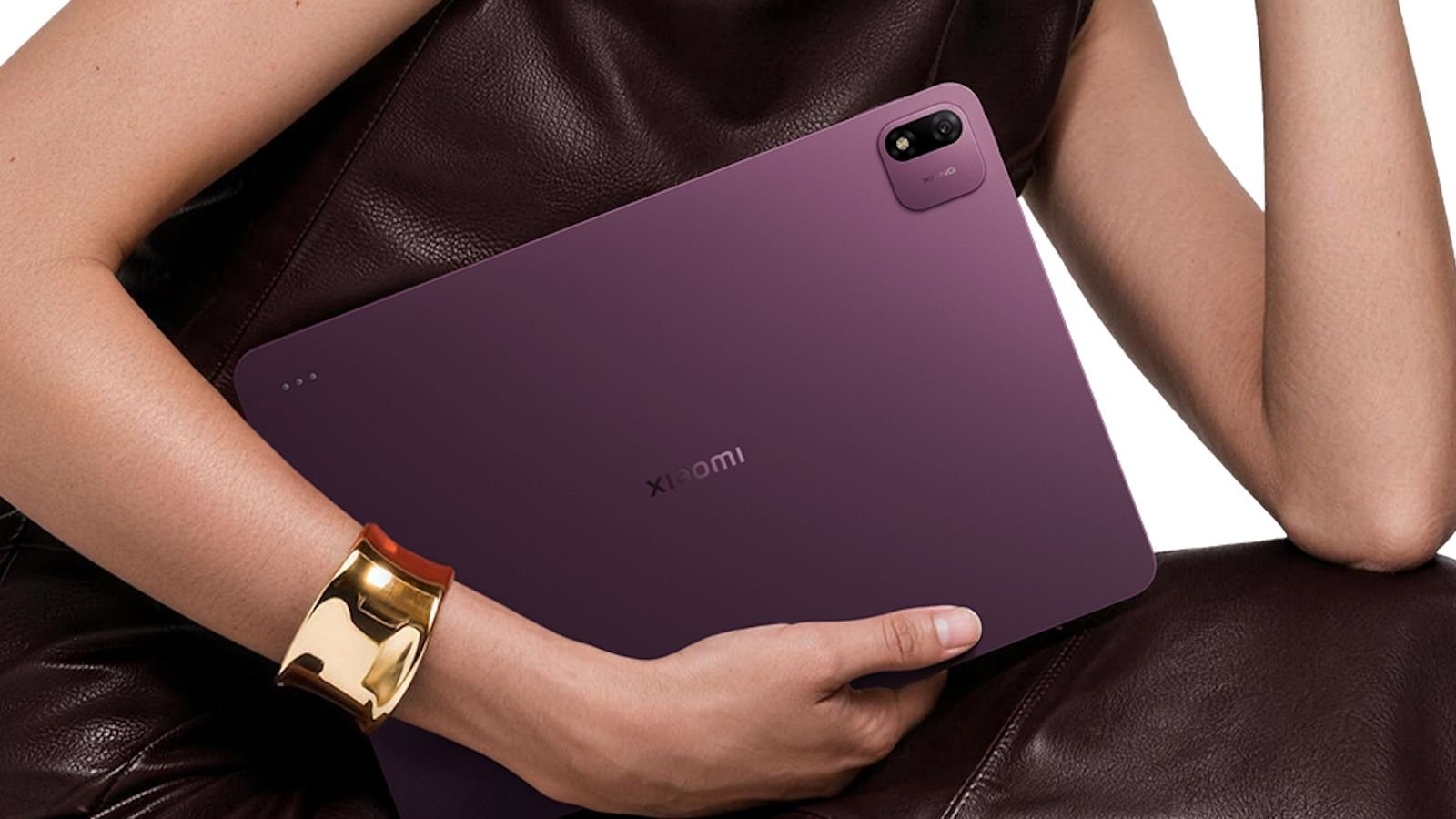
Buying a Xiaomi or Redmi tablet in India has become more expensive following a fresh price revision across the company’s tablet portfolio. The new pricing affects multiple models, ranging from affordable Wi-Fi Tablets to premium devices designed for productivity and entertainment. The Xiaomi Pad 8 and Redmi Pad 2 Pro series have received increases of Rs 1,000, while certain Redmi Pad 2 configurations are now up to Rs 2,000 more expensive.
The biggest increase affects older hardware. According to information shared through an internal partner circular, the Xiaomi Pad 7 has become Rs 3,000 more expensive, while the Redmi Pad Pro has received a Rs 2,000 price increase. Even the entry-level Redmi Pad SE 4G has not escaped the revision, with its price rising by Rs 500.
The revised prices took effect on November 19, 2026. The development was highlighted by tipster Sanju Choudhary on X, who shared details of the updated pricing structure.
Although Xiaomi has not officially explained the reason behind the changes, rising memory component costs and broader supply-chain pressures have emerged as possible factors. For consumers, the immediate concern is straightforward: several tablets that previously offered attractive hardware at competitive prices now require a higher budget.
Xiaomi and Redmi Tablet Price Hike in India: Complete New Price List
The latest revision covers several storage and connectivity configurations. The price increase is not identical across the entire portfolio, meaning buyers should check the exact variant rather than assuming every model has received the same adjustment.
Here is a comparison of the old and revised prices of the affected tablets based on the reported partner circular.
| Tablet Model | Configuration | Old Price | New Price | Increase |
|---|---|---|---|---|
| Xiaomi Pad 8 | 8GB + 128GB | Rs 38,999 | Rs 39,999 | Rs 1,000 |
| Xiaomi Pad 8 | 12GB + 256GB | Rs 46,999 | Rs 47,999 | Rs 1,000 |
| Xiaomi Pad 8 Nano Texture | 12GB + 256GB | Rs 48,999 | Rs 49,999 | Rs 1,000 |
| Redmi Pad 2 Pro Wi-Fi | 8GB + 128GB | Rs 28,999 | Rs 29,999 | Rs 1,000 |
| Redmi Pad 2 Pro 5G | 8GB + 128GB | Rs 31,999 | Rs 32,999 | Rs 1,000 |
| Redmi Pad 2 Pro 5G | 8GB + 256GB | Rs 34,999 | Rs 35,999 | Rs 1,000 |
| Redmi Pad 2 Wi-Fi | 4GB + 128GB | Rs 19,999 | Rs 20,999 | Rs 1,000 |
| Redmi Pad 2 Wi-Fi | 8GB + 128GB | Rs 21,999 | Rs 23,999 | Rs 2,000 |
| Redmi Pad 2 4G | 4GB + 128GB | Rs 20,999 | Rs 21,999 | Rs 1,000 |
| Redmi Pad 2 4G | 6GB + 128GB | Rs 23,999 | Rs 24,999 | Rs 1,000 |
| Redmi Pad 2 4G | 8GB + 256GB | Rs 25,999 | Rs 26,999 | Rs 1,000 |
The table shows that the majority of the listed configurations have become Rs 1,000 more expensive. However, the 8GB + 128GB Redmi Pad 2 Wi-Fi variant has received a larger Rs 2,000 increase.
Older models, including the Xiaomi Pad 7, Redmi Pad Pro and Redmi Pad SE 4G, are also affected, although their individual revised prices have not been specified in the available information.
Xiaomi Pad 8 Price Increased by Rs 1,000 Across All Variants
The Xiaomi Pad 8 sits towards the premium end of the company’s tablet portfolio, and the latest revision affects all three configurations listed in the reported pricing update.
The entry-level 8GB RAM and 128GB storage variant previously cost Rs 38,999. Following the revision, buyers will have to pay Rs 39,999.
The higher-end 12GB RAM and 256GB storage configuration has increased from Rs 46,999 to Rs 47,999. The Nano Texture Edition, which offers a specialised display surface, has also become Rs 1,000 more expensive, moving from Rs 48,999 to Rs 49,999.
Although the increase is relatively small compared with the tablet’s overall price, it pushes the premium configuration close to the Rs 50,000 mark.
Why the Xiaomi Pad 8 Price Increase Matters
Premium tablets compete on more than their processors and display specifications. Buyers also consider storage capacity, multitasking performance, accessories, software support and the overall value offered compared with laptops and other computing devices.
A price increase can influence that comparison, particularly for consumers who are considering a tablet as a secondary productivity device.
For someone choosing between the 128GB and 256GB configurations, the revised prices also make it important to evaluate actual storage requirements rather than automatically purchasing the more expensive model.
The Rs 1,000 increase does not fundamentally change the tablet’s hardware, but it does reduce the value available at its previous price point.
Redmi Pad 2 Pro Series Gets Rs 1,000 More Expensive
The Redmi Pad 2 Pro series has also received a flat Rs 1,000 price increase across the configurations included in the reported revision.
The Wi-Fi-only model with 8GB RAM and 128GB storage now costs Rs 29,999, compared with its previous price of Rs 28,999.
The 5G versions have also become more expensive. The 8GB + 128GB model now costs Rs 32,999, while the 8GB + 256GB configuration has increased to Rs 35,999.
For consumers, the difference between Wi-Fi and cellular configurations remains an important purchasing consideration.
A Wi-Fi tablet is generally suitable for people who primarily use their devices at home, in offices or in locations with reliable wireless internet. A cellular version provides additional flexibility because it supports mobile network connectivity, subject to the device’s supported network features and service availability.
Redmi Pad 2 Pro Wi-Fi vs 5G: Which Configuration Should Buyers Consider?
The latest price changes make the difference between the Wi-Fi and 5G versions worth examining before purchasing.
- Redmi Pad 2 Pro Wi-Fi: The 8GB + 128GB version now costs Rs 29,999.
- Redmi Pad 2 Pro 5G: The 8GB + 128GB version now costs Rs 32,999.
- Redmi Pad 2 Pro 5G higher storage: The 8GB + 256GB version now costs Rs 35,999.
The price difference between the 128GB Wi-Fi and 5G models is Rs 3,000. Buyers who regularly travel or need internet connectivity away from Wi-Fi networks may find the cellular configuration more useful.
However, users who mostly consume content at home or use a mobile hotspot may not need to spend extra on a 5G tablet.
Redmi Pad 2 Price Hike: One Variant Gets a Rs 2,000 Increase
The standard Redmi Pad 2 is particularly important because it targets buyers looking for a relatively affordable Android tablet.
Unlike the Xiaomi Pad 8 and Redmi Pad 2 Pro, where the listed configurations received a uniform Rs 1,000 increase, the standard Redmi Pad 2 has a different pricing structure.
The 4GB RAM and 128GB storage Wi-Fi-only variant has increased from Rs 19,999 to Rs 20,999.
The 8GB RAM and 128GB storage Wi-Fi-only configuration has received the biggest increase within the listed Redmi Pad 2 variants. Its price has moved from Rs 21,999 to Rs 23,999, representing a Rs 2,000 jump.
The cellular versions have each become Rs 1,000 more expensive:
- Redmi Pad 2 4G (4GB + 128GB): Rs 21,999.
- Redmi Pad 2 4G (6GB + 128GB): Rs 24,999.
- Redmi Pad 2 4G (8GB + 256GB): Rs 26,999.
This means the entry-level Wi-Fi model now starts at Rs 20,999 instead of remaining below the Rs 20,000 threshold.
The Rs 20,000 Budget Segment Takes a Hit
The change is particularly relevant for budget-conscious buyers.
The Rs 20,000 price category is an important psychological purchasing threshold. Consumers comparing affordable tablets often set a fixed budget and shortlist products accordingly.
By moving the entry-level Redmi Pad 2 above Rs 20,000, Xiaomi has changed the starting price of one of its more accessible tablet options.
The higher-specification Wi-Fi variant has also become more expensive by Rs 2,000, which could make competing tablets more attractive to buyers who are comparing devices primarily on price.
However, a purchasing decision should not depend on the retail price alone. RAM, storage, display quality, processor performance, battery life and software support all influence long-term value.
Xiaomi Pad 7 and Older Redmi Tablets Also Receive Price Increases
The latest price revision is not limited to the company’s newest tablet models. Older devices have also been affected, with the Xiaomi Pad 7 receiving the largest reported increase.
According to the shared pricing information, the Xiaomi Pad 7 is now Rs 3,000 more expensive. The Redmi Pad Pro has received a Rs 2,000 increase, while the Redmi Pad SE 4G has become Rs 500 more expensive.
This is an interesting development because older devices typically become more affordable as newer generations enter the market. Price reductions and promotional offers are common ways to clear existing inventory and attract buyers who do not necessarily need the latest hardware.
However, the reported revision moves in the opposite direction for these Xiaomi and Redmi tablets.
For buyers, this means comparing older and newer models has become even more important. An older tablet may still offer suitable performance for everyday use, but its value proposition becomes weaker if its price moves closer to a newer alternative.
The exact revised selling prices of the Xiaomi Pad 7, Redmi Pad Pro and Redmi Pad SE 4G have not been provided in the available pricing details.
Why Are Xiaomi Tablets Becoming More Expensive in India?
Xiaomi has not publicly provided a detailed explanation for the latest tablet price increases. However, rising memory component costs have emerged as a possible explanation.
The semiconductor industry has experienced changing supply and demand conditions, particularly in memory products used across smartphones, tablets, computers and other electronic devices.
Memory components such as DRAM and NAND storage are important parts of modern consumer electronics. Their prices can influence manufacturing costs, especially when manufacturers purchase components for large production volumes.
How Rising RAM Costs Can Affect Tablet Prices
Every tablet requires memory to operate applications and storage to retain files, photographs, videos and other user data.
RAM is used for temporarily holding information required by active applications, while internal storage provides space for the operating system and personal files.
Higher-memory configurations generally require more expensive components than entry-level versions. When memory prices increase, manufacturers may face additional costs across multiple product configurations.
These costs can eventually influence retail pricing, depending on inventory levels, supplier agreements, manufacturing contracts and the company’s pricing strategy.
This provides a possible explanation for why different Xiaomi and Redmi tablet configurations have received price adjustments.
However, without an official statement from Xiaomi, it would be premature to conclude that the memory shortage is the sole reason behind the latest revision.
Why the Impact Could Extend Beyond Tablets
Memory components are used throughout the consumer electronics industry. Smartphones, tablets, laptops and other connected devices all depend on semiconductor supply chains.
Consequently, higher component costs can create pricing pressure across multiple product categories rather than affecting only one manufacturer or device type.
For manufacturers operating in competitive markets, passing some of these costs to consumers may become one possible response when production expenses increase.
Other options include adjusting product configurations, negotiating supplier contracts, absorbing additional costs or changing promotional strategies.
The extent to which any manufacturer chooses these approaches depends on its commercial position and supply arrangements.
What the Xiaomi Price Hike Means for Indian Tablet Buyers
The revised pricing creates different challenges depending on the type of tablet a consumer intends to purchase.
Budget Buyers
Consumers looking for an affordable tablet face a particularly noticeable change because the entry-level Redmi Pad 2 Wi-Fi model has moved above Rs 20,000.
For students and families purchasing a tablet for online learning, video streaming, reading and everyday browsing, even a Rs 1,000 increase can influence the final decision.
Buyers should compare the revised Redmi pricing with competing tablets in the same budget category before making a purchase.
Premium Tablet Buyers
People considering the Xiaomi Pad 8 will now need to spend Rs 1,000 more across the listed configurations.
Although the difference is smaller in percentage terms than the increase on some budget models, premium buyers may want to evaluate whether accessories, storage capacity and other features justify the total purchase cost.
Buyers Considering Older Models
The price increases affecting the Xiaomi Pad 7 and Redmi Pad Pro make it important to check current selling prices rather than relying on older reviews or historical launch prices.
A review published before November 19 may mention a price that is no longer applicable after the revision.
Consumers should also distinguish between an official revised price and temporary retailer discounts. Promotional offers may change the amount actually paid, but they do not necessarily reverse the underlying price revision.
Should You Buy a Xiaomi or Redmi Tablet Now or Wait?
Whether to purchase immediately or wait depends on the buyer’s requirements and the availability of discounts.
People who need a tablet urgently may not benefit from delaying their purchase indefinitely, particularly if they have already identified a model that meets their needs.
However, buyers who are flexible with timing should compare prices across authorised sales channels and check whether retailers are offering discounts on existing inventory.
Here are some practical considerations:
- Check the exact variant: Different RAM, storage and connectivity configurations have received different price increases.
- Compare older and newer models: An older tablet may no longer offer the same value if its price has increased substantially.
- Look for bank offers: Temporary discounts may reduce the effective purchase price.
- Consider your connectivity needs: A 5G or 4G tablet may not be necessary if you primarily use Wi-Fi.
- Evaluate storage requirements: Choose a configuration that provides enough space for your applications and files without unnecessarily increasing the budget.
There is currently no confirmed indication that Xiaomi will reverse these price increases or introduce another revision. Buyers should therefore make decisions using the latest available selling prices rather than assuming discounts will return.
Xiaomi and Redmi Tablet Price Increase: The Bigger Picture
The latest price revision highlights an important challenge facing India’s consumer electronics market: even established brands may need to adjust prices when component costs and supply conditions change.
Xiaomi has built its market presence partly through products that combine competitive pricing with attractive hardware specifications. Its Redmi portfolio, in particular, targets consumers who want practical features without moving into the premium price category.
Price increases across this portfolio could therefore affect different groups of customers, from first-time tablet buyers to people looking for high-performance devices.
The changes also demonstrate why launch prices and current retail prices should not be treated as permanent figures. Electronics pricing can change because of component costs, inventory conditions, exchange rates, taxation and promotional decisions.
For consumers, the best approach is to compare the current price against the features and alternatives available at the same budget.
Final Verdict: Xiaomi Pad 8 and Redmi Pad 2 Become More Expensive in India
Xiaomi’s latest tablet price revision makes several popular devices more expensive from November 19, 2026. The Xiaomi Pad 8 and Redmi Pad 2 Pro series have received Rs 1,000 increases, while the standard Redmi Pad 2 has become up to Rs 2,000 more expensive across its listed configurations.
The situation is even more noticeable for older devices. The Xiaomi Pad 7 has received a reported Rs 3,000 increase, the Redmi Pad Pro is Rs 2,000 more expensive, and the Redmi Pad SE 4G has seen a Rs 500 revision.
Although rising memory costs could be contributing to the changes, Xiaomi has not officially confirmed the reason behind the price hike.
For Indian buyers, the immediate takeaway is to check the updated pricing before purchasing. The Redmi Pad 2’s move beyond the Rs 20,000 starting-price threshold and the Xiaomi Pad 8’s higher premium pricing could influence buying decisions across the tablet market.
Ultimately, the best choice will depend on individual requirements, available discounts and whether the revised price still offers sufficient value compared with competing tablets.
For breaking news and live news updates, like us on Facebook or follow us on Twitter and Instagram. Read more on Latest Technology on thefoxdaily.com.






COMMENTS 0