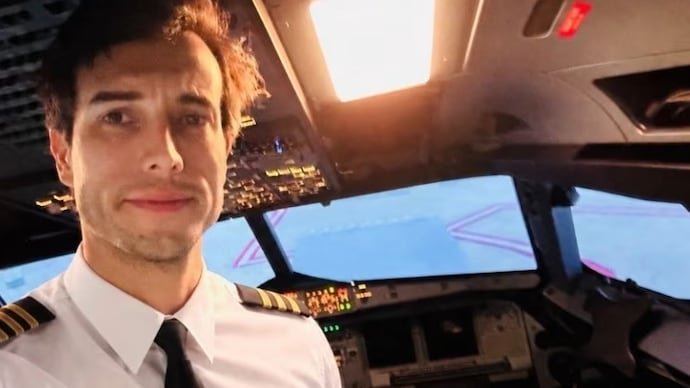
A routine flight training session in central Argentina ended in an extraordinary and tragic turn when an experienced flight instructor reportedly jumped from a training aircraft while it was still in flight, leaving his student to complete the landing alone. The incident has drawn international attention because of its unusual nature, the student’s remarkable response under extreme pressure, and the broader questions it raises about aviation safety and mental health.
The instructor, identified as Leandro Andres Bertazzo, was found dead after the incident near Toledo, in Argentina’s Córdoba province. His 22-year-old student, identified only as Rosario, successfully landed the Cessna 150 despite suddenly becoming the aircraft’s sole occupant and pilot. Authorities have launched an investigation to determine the precise sequence of events and the circumstances surrounding the tragedy.
What Happened During the Training Flight?
According to information released by Argentina’s public prosecutor and local media reports, Bertazzo and his student were conducting a standard instructional flight aboard a Cessna 150, one of the world’s most widely used aircraft for pilot training.
During the flight, Bertazzo reportedly told Rosario, “You know what you have to do, carry on,” before removing his headset and seatbelt, opening the aircraft door, and jumping from the plane.
The unexpected action left the student completely alone in the cockpit while the aircraft remained airborne. Despite the overwhelming emotional shock, Rosario maintained control of the airplane, communicated as required, and safely landed without causing damage to the aircraft.
Emergency responders later located Bertazzo’s body near Toledo. Prosecutors are continuing to examine evidence and interview witnesses as part of their investigation.
Who Was Leandro Andres Bertazzo?
Leandro Andres Bertazzo, 42, was an experienced flight instructor with an established aviation career. According to the Flying Parrot Córdoba flying school, he had instructed numerous student pilots and had previously worked as a flight instructor in neighboring Chile.
School director Eduardo Álvarez said there had been no indication that Bertazzo intended to take such an action. In fact, he had reportedly completed another training flight with a different student earlier the same day without any unusual behavior being observed.
“He made this tragic decision on board an aircraft with another person by his side. It’s impossible to understand, but the human mind is incredibly complex.”
Álvarez also described Bertazzo as a friendly and respected colleague whose sudden death came as a complete shock to fellow instructors and students.
The Student’s Remarkable Response Under Extreme Pressure
Perhaps the most extraordinary aspect of the incident was the composure shown by Rosario. Suddenly finding herself alone in an aircraft several thousand feet above the ground would be an overwhelming experience even for many licensed pilots.
Despite being described as being in “complete shock,” she managed to:
- Maintain control of the aircraft.
- Continue following standard flight procedures.
- Safely approach the runway.
- Complete a successful landing.
- Avoid damage to the aircraft.
Her actions demonstrate the value of structured flight instruction, emergency preparedness, and maintaining focus under extreme stress. Aviation experts frequently emphasize that effective pilot training is designed not only for normal operations but also for unexpected emergencies requiring calm decision-making.
Why the Cessna 150 Is Widely Used for Flight Training
The aircraft involved was a Cessna 150, a lightweight two-seat airplane that has served as one of the most popular trainer aircraft worldwide for decades.
| Feature | Cessna 150 |
|---|---|
| Aircraft Type | Two-seat trainer aircraft |
| Primary Use | Student pilot instruction |
| Engine | Single-engine piston |
| Known For | Stable handling and forgiving flight characteristics |
| Training Role | Basic flight lessons and pilot certification |
Its predictable handling characteristics make it suitable for new pilots learning takeoffs, landings, navigation, and emergency procedures. While no aircraft is designed for a situation in which an instructor suddenly leaves during flight, its relatively simple controls likely helped the student maintain stability until landing.
Can an Aircraft Door Be Opened Mid-Flight?
One aspect that surprised many readers was the report that the instructor managed to open the aircraft door while airborne.
According to the flying school’s director, opening a light aircraft door during flight is extremely difficult because airflow creates significant aerodynamic pressure against the door. He compared the force involved to attempting to open the door of a car traveling at approximately 200 kilometers per hour.
Although it can be physically possible under certain flight conditions in some small aircraft, doing so requires considerable effort and is not something that happens accidentally during normal operations.
How Flight Training Prepares Students for Emergencies
Flight schools place significant emphasis on emergency preparedness throughout pilot training. Students are repeatedly taught to remain focused on controlling the aircraft before addressing other problems.
Typical emergency training includes:
- Engine failure procedures.
- Loss of radio communications.
- Unexpected weather changes.
- Emergency landings.
- Maintaining aircraft control under stress.
- Decision-making during abnormal situations.
While instructors cannot realistically simulate every possible event, aviation education is built around helping students develop disciplined responses rather than panic when faced with unexpected challenges.
Official Investigation Underway
Argentina’s public prosecutor has opened an investigation into the circumstances surrounding Bertazzo’s death.
Investigators are expected to examine:
- The aircraft’s flight path.
- Witness statements.
- Communications before and during the flight.
- Operational records from the flying school.
- Any available maintenance and training documentation.
Authorities have not publicly indicated any mechanical issue with the aircraft, and available information suggests the airplane remained fully operational throughout the incident.
Why This Incident Is So Unusual
Aviation accidents typically involve mechanical failures, weather conditions, pilot error, or operational issues. Incidents in which an instructor intentionally exits an aircraft during a training flight are exceptionally rare.
The unusual circumstances have attracted global attention because they combine an unexplained personal tragedy with an extraordinary example of successful emergency aircraft control by a student pilot.
While investigations continue, aviation experts caution against drawing conclusions before official findings establish the complete sequence of events.
Mental Health in High-Responsibility Professions
This incident has also renewed discussion about mental health in professions where individuals carry significant responsibility for the safety of others.
Aviation organizations around the world increasingly recognize that psychological well-being is an important part of overall flight safety. Many airlines, regulators, and training organizations have introduced confidential support programs, peer assistance initiatives, and mental health awareness efforts aimed at encouraging professionals to seek help when needed.
Experts emphasize that mental health challenges can affect individuals regardless of experience, reputation, or outward appearance. Colleagues may not always recognize warning signs, making supportive workplace cultures and accessible resources especially important.
Lessons for Flight Schools and Aviation Training
Although investigators have not identified any systemic safety failure, incidents of this nature inevitably prompt aviation organizations to review existing procedures.
Areas that may receive renewed attention include:
- Instructor wellness and support systems.
- Emergency communication protocols.
- Student preparedness for unexpected cockpit situations.
- Psychological support resources within flight schools.
- Ongoing safety culture assessments.
Most aviation experts agree that while technical skills remain essential, human factors continue to play a critical role in aviation safety.
Why This Story Resonates Beyond Aviation
Beyond the aviation community, the incident illustrates both the unpredictability of human behavior and the importance of preparation. Rosario’s ability to safely land the aircraft demonstrates how rigorous training can enable individuals to respond effectively even during unimaginable circumstances.
At the same time, the tragedy serves as a reminder that mental health concerns may remain invisible despite professional success and years of experience. For organizations across many industries, supporting employee well-being is increasingly viewed as an important component of overall safety and operational resilience.
What Happens Next?
The investigation by Argentine authorities will determine the official findings surrounding the instructor’s death. Depending on those conclusions, aviation organizations may review training guidance or operational procedures if any lessons emerge from the case.
For Rosario, safely bringing the aircraft to the ground prevented an even greater tragedy. Her actions have been widely recognized as an example of calm decision-making under extraordinary circumstances.
Conclusion
The death of flight instructor Leandro Andres Bertazzo during a routine training flight is a deeply tragic event that has shocked Argentina’s aviation community. Equally remarkable is the response of his 22-year-old student, who successfully landed the aircraft alone despite facing one of the most unexpected emergencies imaginable.
As investigators continue examining exactly what happened, the incident highlights two enduring lessons: the life-saving value of comprehensive pilot training and the importance of recognizing mental health as an essential part of aviation safety. While many questions remain unanswered, the student’s successful landing stands as a powerful demonstration of professionalism, preparation, and resilience in the face of an extraordinary crisis.
For breaking news and live news updates, like us on Facebook or follow us on Twitter and Instagram. Read more on Latest World on thefoxdaily.com.





COMMENTS 0