- What Iran Proposed: A Phased Path to Peace
- Why the US Rejected the Plan
- The Strategic Importance of the Strait of Hormuz
- Oil Markets React: Rising Prices and Global Anxiety
- Diplomatic Breakdown: Talks Called Off
- Global Divide: Allies and Opposition
- Unique Insight: A Clash of Negotiation Philosophies
- Real-World Impact: Why This Matters Beyond the Gulf
- Comparison: Past Gulf Crises vs Current Situation
- What Happens Next? Possible Scenarios
- Prediction: A Long Road to Resolution
- Conclusion: A Crisis at the Crossroads of Energy and Security
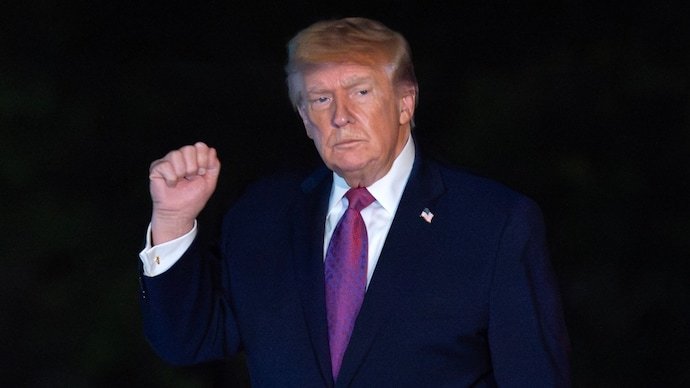
The Iran Hormuz reopening proposal has added a new layer of complexity to an already volatile geopolitical crisis, with former US President Donald Trump reportedly rejecting Tehran’s phased peace plan. The proposal, which prioritizes a ceasefire and reopening of the Strait of Hormuz before addressing nuclear concerns, has been met with resistance from Washington, significantly dimming hopes for a near-term resolution.
At stake is not just regional stability, but also the health of the global economy. With energy supply chains disrupted and oil prices surging, the outcome of this standoff could ripple across Inflation, trade, and International Relations.
What Iran Proposed: A Phased Path to Peace
Iran’s latest diplomatic move outlines a three-step strategy aimed at de-escalating the ongoing conflict:
- Step 1: Immediate ceasefire and guarantees against further military action
- Step 2: Lifting of US naval blockade and reopening of critical shipping routes, especially the Strait of Hormuz
- Step 3: Negotiations on Iran’s nuclear programme, including uranium enrichment
This sequencing reflects Tehran’s priorities: reduce immediate military pressure, restore economic lifelines, and only then engage in complex nuclear negotiations.
Why the US Rejected the Plan
The US response has been firm and uncompromising. According to officials, Donald Trump views Iran’s proposal as strategically flawed because it delays addressing what Washington considers the core issue nuclear capability.
From the US perspective:
- The nuclear programme is the root cause of the conflict
- Delaying nuclear talks could allow Iran to advance its capabilities
- Any agreement must include strict safeguards from the outset
US Secretary of State Marco Rubio reinforced this stance, emphasizing that any deal must prevent Iran from developing nuclear weapons at any stage.
“Any agreement must definitively prevent Iran from moving toward a nuclear weapon.”
This fundamental disagreement over sequencing has created a diplomatic deadlock.
The Strategic Importance of the Strait of Hormuz
At the heart of the crisis lies the Strait of Hormuz, one of the most critical chokepoints in global trade.
Why it matters:
- Handles nearly 20% of global oil shipments
- Connects major oil producers in the Gulf to international markets
- Any disruption directly impacts global energy prices
Recent developments show a dramatic decline in tanker traffic, with only a fraction of the usual vessels passing through the strait. This has created supply bottlenecks and intensified market volatility.
Oil Markets React: Rising Prices and Global Anxiety
The uncertainty surrounding the Hormuz passage has already triggered a sharp reaction in global oil markets.
| Factor | Impact |
|---|---|
| Reduced tanker traffic | Supply shortages |
| Geopolitical tension | Increased market speculation |
| Naval blockade | Higher shipping costs |
| Conflict uncertainty | Rising Brent crude prices |
As energy costs climb, the ripple effects are being felt worldwide from higher fuel prices to increased inflation in consumer goods.
Diplomatic Breakdown: Talks Called Off
Efforts to revive Diplomacy have suffered a setback. Planned negotiations in Islamabad were cancelled after the US withdrew key envoys, signaling a hardening of positions.
Meanwhile, Iran has intensified its diplomatic outreach, engaging with countries such as:
- Pakistan
- Oman
- Russia
These moves suggest Tehran is seeking alternative alliances and support amid stalled talks with Washington.
Global Divide: Allies and Opposition
The crisis has exposed deep divisions within the international community.
Supporting the US stance:
- United Kingdom
- France
- Germany
- Australia
- UAE
Backing Iran or opposing isolation:
- Russia
- Non-Aligned Movement nations
This split highlights the broader geopolitical contest shaping the conflict, where strategic alliances play a crucial role in determining outcomes.
Unique Insight: A Clash of Negotiation Philosophies
What makes this situation particularly complex is not just the issues at hand, but the difference in negotiation philosophy.
- Iran’s approach: De-escalate first, negotiate later
- US approach: Resolve core issue first, then de-escalate
This mismatch creates a classic diplomatic impasse both sides are unwilling to move first without guarantees from the other.
In negotiation theory, this is known as a “sequencing conflict”, and it often prolongs disputes even when both parties claim to seek peace.
Real-World Impact: Why This Matters Beyond the Gulf
The consequences of this standoff extend far beyond the Middle East.
For global consumers:
- Higher fuel prices
- Increased cost of goods
For businesses:
- Rising transportation costs
- Supply chain disruptions
For governments:
- Inflation management challenges
- Economic policy pressure
In an interconnected world, a bottleneck in one region can quickly become a global economic issue.
Comparison: Past Gulf Crises vs Current Situation
| Aspect | Past Crises | Current Situation |
|---|---|---|
| Primary Trigger | Military confrontations | Nuclear + economic conflict |
| Oil Impact | Short-term spikes | Prolonged volatility |
| Diplomacy | Backchannel negotiations | Public and polarized |
| Global Involvement | Limited alliances | Broad international divide |
This comparison shows that the current crisis is more complex and potentially longer-lasting than previous conflicts.
What Happens Next? Possible Scenarios
The situation remains fluid, but several outcomes are possible:
1. Stalemate Continues
Both sides hold their positions, prolonging economic and geopolitical uncertainty.
2. Partial Compromise
A middle-ground approach could emerge, combining elements of both proposals.
3. Escalation
Failure to reach an agreement could lead to intensified conflict, further disrupting global markets.
4. External Mediation
Third-party nations may step in to broker a deal, though success is uncertain.
Prediction: A Long Road to Resolution
Given the current dynamics, a quick resolution appears unlikely.
The key obstacle is trust or the lack of it. Without mutual confidence, even well-structured proposals struggle to gain traction.
In the short term, markets may continue to react sharply to any developments. In the long term, the outcome will likely depend on whether either side is willing to adjust its core demands.
Conclusion: A Crisis at the Crossroads of Energy and Security
The Iran Hormuz reopening proposal highlights the intricate link between Geopolitics, energy security, and global economics. While Iran seeks immediate relief through a phased approach, the US remains focused on long-term security concerns tied to nuclear capabilities.
This clash of priorities has stalled diplomacy, leaving the world watching closely as tensions ripple through oil markets and international relations.
Ultimately, the question is not just whether a deal will be reached but at what cost, and how long the world will have to wait.
For breaking news and live news updates, like us on Facebook or follow us on Twitter and Instagram. Read more on Latest World on thefoxdaily.com.



COMMENTS 0