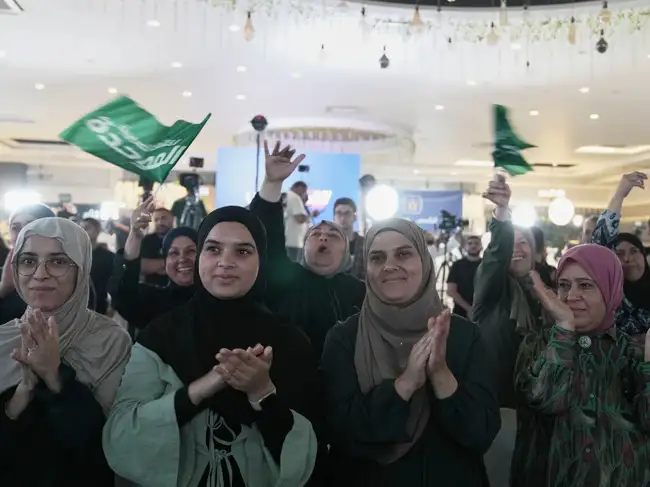
Palestinian citizens of Israel have increasingly used electoral participation to make their political concerns heard. In the recent elections, their engagement translated into record-high voter turnout and a stronger parliamentary presence for Arab political parties.
Ra’am and the Joint List secured a combined 19 seats in the Knesset, significantly exceeding their performance in previous elections. The result reflected a shift among many Palestinian voters who had previously remained on the sidelines of Israeli electoral politics.
Concerns about rising violence, the situation in Arab communities and the policies of Benjamin Netanyahu’s government formed an important backdrop to this increased participation. As anti-Arab rhetoric intensified, many voters looked to the ballot box as a way to demand political change and greater attention to their communities.
Palestinian Grievances Fuelled the Surge
Long-standing grievances in Palestinian communities in Israel played an important role in the renewed electoral engagement. Rising violence and concerns about neglect in Arab communities became central issues for voters seeking greater security, public attention and political representation.
For many Palestinian citizens, participation in elections offered an opportunity to communicate dissatisfaction with the existing political situation. Rather than remaining outside the electoral process, more voters chose to use their ballots to influence parliamentary representation.
The record turnout indicated that these concerns had become a significant motivation for political participation. The combined 19 seats won by Ra’am and the Joint List also demonstrated the potential parliamentary influence of Arab political parties when voter participation increases.
A Reaction to Israel’s Most Far-Right Government Ever
The political environment under Benjamin Netanyahu’s government provided another important context for the increased participation. The government was characterised in the source account as Israel’s most far-right government ever, while anti-Arab rhetoric became a major concern for Palestinian citizens.
Against this backdrop, many voters viewed the elections as an opportunity to respond to political developments through democratic participation. The concerns were not limited to national political rhetoric but also included the everyday challenges facing Arab communities, particularly rising violence and perceived neglect.
The increased turnout therefore represented more than a change in voting numbers. It reflected an effort by Palestinian citizens to make their concerns visible within Israel’s political institutions.
The Parties Offer Different Visions
Ra’am and the Joint List both contributed to the combined 19-seat result, but they represent different political approaches. Their separate political identities and visions mean that the overall parliamentary gains do not necessarily translate into a single, unified political strategy.
Their electoral performance nevertheless demonstrated the importance of Arab political representation in the Knesset. The results also highlighted how Palestinian citizens’ participation can influence the number of representatives elected from parties focused on their communities and political concerns.
The differences between the parties remain relevant when considering their possible political roles after the elections. Shared concerns among voters do not automatically mean that the parties will take identical positions on government formation or parliamentary cooperation.
A Strong Showing Does Not Guarantee a Role in Government
Although Ra’am and the Joint List secured a combined 19 seats, their stronger electoral performance does not automatically guarantee participation in the next government.
Winning parliamentary seats provides political representation and a platform to raise community concerns, but becoming part of a governing coalition involves additional negotiations and political decisions.
The distinction is important because electoral success and government participation are separate questions. The parties may have a stronger parliamentary presence, but their ability to translate that representation into a formal role in government depends on the political circumstances and the positions of other parties.
The Conditions of Any Such Partnership Remain Unclear
The possibility of cooperation between Arab political parties and other political forces raises questions about the conditions under which such a partnership could take shape.
Any potential arrangement would involve political negotiations, competing priorities and decisions about the issues that participating parties would seek to address. For Ra’am and the Joint List, the question is not simply whether they have gained seats, but how their parliamentary strength could be used to advance the concerns of Palestinian citizens.
The conditions of any government partnership remain unclear. The parties’ different political visions and the broader political landscape will influence whether their electoral gains lead to a role in government or primarily strengthen their position in the Knesset.
What the Election Results Mean for Palestinian Political Participation
The record-high turnout and combined 19-seat result for Ra’am and the Joint List marked a significant moment in the political participation of Palestinian citizens of Israel.
Rising violence, concerns about neglect in Arab communities and opposition to the government’s anti-Arab rhetoric helped shape the political environment in which voters made their choices. The increased participation showed that many citizens were prepared to use electoral politics to express their grievances and seek greater representation.
However, the next challenge lies in translating parliamentary representation into political influence. Whether the parties can secure a role in government, negotiate meaningful cooperation or pursue their priorities from outside the governing coalition remains an open question.
The election results have nevertheless placed Palestinian citizens’ political participation and the representation of Arab communities firmly within the wider debate over Israel’s political future.
For breaking news and live news updates, like us on Facebook or follow us on Twitter and Instagram. Read more on Latest World on thefoxdaily.com.





COMMENTS 0