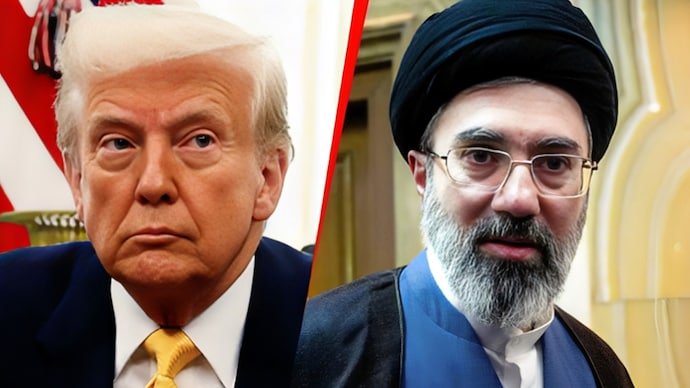
The possibility of a new agreement between the United States and Iran has once again placed the Middle East at the center of global attention. While no formal deal has yet been signed, reports indicate that negotiators from both sides are discussing a draft memorandum of understanding that could pave the way for a broader and more comprehensive agreement.
The proposed framework reportedly covers some of the most contentious issues that have defined US-Iran Relations for decades: Iran’s nuclear programme, economic sanctions, access to frozen assets, maritime Security in the Strait of Hormuz, and regional stability.
If successfully implemented, the agreement could influence global oil markets, international trade routes, regional security dynamics, and diplomatic relations across the Middle East.
However, significant challenges remain, and negotiations continue amid ongoing military tensions involving Iran, the United States, Israel, and Iran-backed regional groups.
What Is the Proposed Trump-Iran Deal?
The reported agreement is not a final treaty but rather a preliminary memorandum of understanding designed to create conditions for a broader settlement.
According to details emerging from negotiations, the memorandum would establish a framework for immediate confidence-building measures while allowing both sides approximately 60 days to negotiate a comprehensive final agreement.
The proposed arrangement seeks to balance three major objectives:
- Reducing military tensions in the region
- Addressing concerns about Iran’s nuclear activities
- Providing economic relief to Iran in exchange for commitments and restrictions
Such an approach follows a familiar diplomatic strategy in international negotiations, where temporary measures are used to build trust before addressing more complex issues.
Why the Strait of Hormuz Is Central to the Deal
One of the most important elements reportedly under discussion involves the Strait of Hormuz.
The narrow waterway is among the world’s most strategically important maritime routes. A substantial portion of global oil and liquefied natural gas exports pass through this corridor every day.
Any disruption in the strait can immediately affect Global energy prices, shipping costs, and economic stability.
Under the proposed framework, Iran would reportedly agree to fully reopen the Strait of Hormuz to international maritime traffic.
In return, the United States would begin easing maritime restrictions affecting Iranian ports.
The proposal also reportedly includes efforts to remove mines and improve navigation safety within the waterway.
Why the Strait of Hormuz Matters to the Global Economy
| Factor | Global Importance |
|---|---|
| Oil Exports | Major route for global crude shipments |
| Natural Gas Trade | Critical corridor for LNG exports |
| Energy Prices | Disruptions can trigger price spikes worldwide |
| Shipping Routes | Vital for international maritime commerce |
| Regional Security | Strategic chokepoint in the Persian Gulf |
Because of its strategic significance, even small military incidents in the Strait of Hormuz often attract immediate global attention.
Economic Relief Could Be the Biggest Incentive for Tehran
Economic considerations appear to be at the heart of the negotiations.
For years, Iran has faced extensive sanctions affecting its banking system, oil exports, international trade, and access to foreign investment.
These restrictions have had significant consequences for Iran’s economy, currency stability, and economic growth prospects.
The proposed framework reportedly offers several forms of economic relief.
- Suspension of new US sanctions during negotiations
- Gradual lifting of sanctions under a final agreement
- Temporary waivers for oil exports
- Access to frozen financial assets
- Economic reconstruction initiatives
For Iran, sanctions relief represents one of the strongest incentives to pursue a diplomatic settlement.
The Significance of Frozen Iranian Assets
One of the most notable provisions reportedly involves approximately $25 billion in frozen Iranian assets.
Over the years, various sanctions regimes have restricted Iran’s access to funds held abroad.
These assets represent capital that could potentially be used for:
- Infrastructure development
- Industrial investment
- Economic stabilization
- Public services
- Currency support measures
The release of even part of these funds could significantly improve Iran’s short-term economic outlook.
However, such measures often face political scrutiny within the United States and among Washington’s allies.
The Nuclear Issue Remains the Core Challenge
Despite discussions about sanctions and maritime security, Iran’s nuclear programme remains the central issue driving negotiations.
For decades, the international community has sought assurances that Iran’s nuclear activities remain exclusively peaceful.
The reported framework suggests that Iran would formally commit to not developing or acquiring nuclear weapons.
Additionally, Tehran would reportedly maintain current nuclear activity levels during negotiations and refrain from expanding enrichment activities or constructing additional facilities.
These measures would serve as interim safeguards while negotiators work toward a more comprehensive settlement.
What Happens to Iran’s Enriched Uranium?
One of the most technically complex aspects of any nuclear agreement involves Iran’s existing stockpile of enriched uranium.
The reported proposal suggests that future negotiations would address:
- Permitted enrichment levels
- Monitoring mechanisms
- Inspection arrangements
- Management of existing stockpiles
- Long-term nuclear restrictions
These issues are particularly sensitive because they directly affect both Iran’s civilian nuclear ambitions and international concerns about weaponization risks.
Historically, disagreements over enrichment levels have been among the most difficult obstacles in US-Iran negotiations.
How This Differs From Previous Nuclear Agreements
While comparisons with earlier diplomatic efforts are inevitable, the current framework appears broader in scope.
Unlike agreements focused primarily on nuclear restrictions, the reported proposal also addresses:
- Maritime security
- Economic development
- Regional stability
- Sanctions relief mechanisms
- Access to frozen assets
This wider approach reflects the reality that modern geopolitical disputes are interconnected.
Economic issues, security concerns, and diplomatic relationships often cannot be addressed in isolation.
The Israel Factor: A Major Complication
One of the biggest challenges facing any US-Iran agreement is the position of Israel.
Israel has consistently expressed concerns about Iran’s regional influence, missile capabilities, and nuclear activities.
Recent military exchanges involving Iranian-backed groups and Israeli forces highlight the continuing volatility of the region.
Reports suggest that tensions remain high despite diplomatic efforts.
This creates a complex situation in which negotiators must pursue Diplomacy while managing ongoing security concerns.
Any future agreement will likely face intense scrutiny from Israeli policymakers and security officials.
Regional Implications Beyond Iran and America
The consequences of a successful agreement would extend far beyond Tehran and Washington.
Several regional players have a direct stake in the outcome:
- Saudi Arabia
- United Arab Emirates
- Qatar
- Iraq
- Israel
- Lebanon
- Syria
Reduced tensions between the United States and Iran could lower the risk of broader regional confrontations.
At the same time, regional powers would closely monitor how any agreement affects the balance of influence across the Middle East.
What It Means for Global Oil Markets
Energy Markets are particularly sensitive to developments involving Iran.
Iran possesses some of the world’s largest oil and natural gas reserves, making it a major potential contributor to global energy supply.
If sanctions are eased and oil exports increase, global energy markets could experience:
- Higher supply availability
- Reduced supply disruptions
- Improved market stability
- Potential downward pressure on prices
However, actual market impacts would depend on the pace of implementation and broader economic conditions.
The 60-Day Negotiation Window Explained
A key feature of the proposed framework is the 60-day period for negotiating a final agreement.
This timeframe serves several purposes:
- Building trust between parties
- Testing compliance with preliminary commitments
- Resolving technical disagreements
- Developing verification mechanisms
- Preparing implementation schedules
Such phased approaches are common in international diplomacy because they reduce the risk of immediate breakdowns.
Nevertheless, the success of this period would depend heavily on political will from both sides.
Potential Obstacles That Could Derail the Deal
Despite optimism surrounding negotiations, numerous challenges remain.
Potential obstacles include:
- Military incidents in the region
- Domestic political opposition
- Disagreements over sanctions relief
- Disputes regarding uranium enrichment
- Regional security concerns
- Implementation and verification issues
History shows that US-Iran negotiations are rarely straightforward, and even minor disputes can quickly escalate into major diplomatic challenges.
Expert Insight: Why This Deal Matters Beyond the Middle East
The significance of a potential agreement extends beyond regional politics.
Global investors, energy companies, shipping operators, and governments worldwide are closely monitoring developments.
The outcome could influence:
- International energy prices
- Global inflation trends
- Maritime trade routes
- Financial markets
- Regional security partnerships
- Future nuclear diplomacy efforts
In many ways, the negotiations serve as a test of whether diplomacy can still resolve some of the world’s most complex geopolitical disputes.
Future Outlook: Can Washington and Tehran Reach a Final Agreement?
The reported memorandum represents progress, but it is only the beginning of a much larger diplomatic process.
Both countries continue to face deep disagreements rooted in decades of mistrust, geopolitical rivalry, and conflicting regional interests.
Yet the fact that discussions reportedly include sanctions relief, nuclear commitments, maritime security, and economic cooperation suggests that negotiators are exploring a comprehensive framework rather than a narrow compromise.
If the parties successfully navigate the next 60 days, the resulting agreement could become one of the most significant diplomatic breakthroughs in recent Middle Eastern history.
Conclusion
The proposed Trump-Iran agreement represents a potentially transformative effort to address multiple sources of tension between Washington and Tehran. From reopening the Strait of Hormuz and easing sanctions to addressing Iran’s nuclear programme and unlocking frozen assets, the framework attempts to tackle some of the most difficult issues in international diplomacy.
While many details remain unresolved and significant obstacles persist, the negotiations offer a rare opportunity to reduce regional tensions, stabilize energy markets, and create a foundation for broader cooperation.
The coming weeks will determine whether the memorandum evolves into a historic agreement or joins the long list of Middle East peace initiatives that struggled to reach the finish line. Either way, the outcome will likely shape regional and global politics for years to come.
For breaking news and live news updates, like us on Facebook or follow us on Twitter and Instagram. Read more on Latest World on thefoxdaily.com.






COMMENTS 0