- What Triggered the US Blockade?
- The Strait of Hormuz: A Global Energy Lifeline
- Iran’s Earlier Blockade and Rising Risks
- Is the US Forcing Other Countries to Take Sides?
- Impact on Global Oil Markets
- Allies Push Back Against Escalation
- A Parallel Diplomatic Effort Emerges
- Is the World Being Drawn Into a Wider Conflict?
- Conclusion: A High-Stakes Strategy with Global Consequences
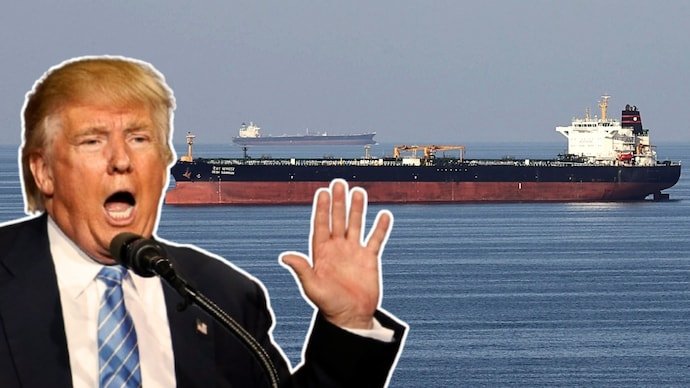
In a dramatic escalation following failed Peace Talks with Iran, US President Donald Trump has ordered a naval blockade of the Strait of Hormuz—one of the world’s most critical energy chokepoints. Announced after marathon negotiations in Islamabad collapsed, the move aims to restrict vessels entering or leaving Iranian ports and potentially interdict ships that have coordinated passage with Tehran. While the stated goal is to pressure Iran economically, the broader implications suggest something more complex: the possibility that Washington is indirectly pushing other nations into the conflict.
The blockade comes at a time when global energy markets, already shaken by weeks of instability, were beginning to stabilize. Now, with tensions reignited, questions are mounting over whether this strategy could widen the Iran war into a larger geopolitical crisis involving multiple countries.
What Triggered the US Blockade?
The immediate trigger was the failure of high-stakes diplomatic talks between the United States and Iran. Despite a temporary ceasefire agreement earlier in April, negotiations failed to produce a long-term resolution.
Following the breakdown, Trump announced that the US Navy would begin blocking ships associated with Iranian ports, significantly raising the stakes in the region.
“The US Navy will begin the process of blockading any and all ships trying to enter or leave the Strait of Hormuz,” Trump stated.
The move is intended to cut off Iran’s oil exports—its primary revenue source—but it also affects global shipping routes used by multiple countries.
The Strait of Hormuz: A Global Energy Lifeline
The Strait of Hormuz is one of the most strategically important waterways in the world. Located between Iran and Oman, it serves as the main corridor for oil exports from the Gulf region.
| Key Metric | Details |
|---|---|
| Global Oil Flow | ~20% passes through Hormuz |
| Width (Narrowest Point) | ~34 km |
| Major Exporters | Saudi Arabia, Iran, Kuwait, Qatar |
| Key Importers | India, China, Japan, South Korea |
| India’s LPG Dependency | ~90% via this route |
Any disruption here has immediate and widespread consequences, especially for energy-importing nations in Asia.
Iran’s Earlier Blockade and Rising Risks
The current crisis did not begin with the US action. Since the outbreak of the Iran war on February 28, Iran had already imposed its own form of blockade using drones, missiles, and naval mines.
These actions resulted in damage to multiple commercial vessels and forced many shipping companies to halt operations due to safety concerns. The impact was swift and severe:
- Global oil prices surged above $100 per barrel
- Shipping routes were disrupted
- Energy infrastructure in the Gulf faced damage
A temporary ceasefire on April 7 offered brief relief, allowing coordinated passage through the strait. However, the collapse of talks quickly reversed these gains.
Is the US Forcing Other Countries to Take Sides?
One of the most controversial aspects of the US blockade is its potential to pressure neutral and allied countries into aligning with Washington’s strategy.
Previously, the US had proposed forming a multinational naval task force to secure the Strait of Hormuz. However, many countries declined to participate, choosing instead to protect their own energy interests through independent arrangements.
How Countries Responded Before the Blockade
- China: Coordinated directly with Iran for safe passage and continued oil imports
- India: Engaged in bilateral negotiations with Tehran to secure shipments
- Japan & South Korea: Avoided military involvement, diversified energy sources
By imposing a unilateral blockade, the US is effectively disrupting these independent strategies.
This creates a difficult choice for many nations: comply with US enforcement measures or risk disruptions to their energy supplies.
Impact on Global Oil Markets
The immediate economic consequence of the blockade has been a renewed spike in oil prices. After briefly falling below $100 per barrel during the ceasefire, both Brent Crude and West Texas Intermediate (WTI) surged again following the US announcement.
This volatility highlights the fragile nature of global energy markets in times of geopolitical tension.
Key Economic Effects
- Rising fuel prices worldwide
- Increased shipping and insurance costs
- Supply chain disruptions
- Pressure on inflation in energy-dependent economies
For countries like India, which rely heavily on imported energy, the impact could be particularly significant.
Allies Push Back Against Escalation
Not all US allies are on board with the blockade strategy. Several countries have expressed reluctance to be drawn into the conflict.
“We’re not supporting the blockade,” said UK Prime Minister Keir Starmer, signaling a clear divergence from Washington’s approach.
France and the United Kingdom have instead proposed a separate multinational initiative aimed at ensuring safe navigation in the Strait of Hormuz—independent of the conflict.
This suggests a growing divide between the US and its allies on how to handle the crisis.
A Parallel Diplomatic Effort Emerges
In response to rising tensions, European powers are attempting to create an alternative framework focused on stability rather than confrontation.
The proposed initiative includes:
- A multinational conference involving over 40 countries
- A defensive mission to secure shipping routes
- A commitment to neutrality in the Iran conflict
This approach reflects a broader concern that escalating military measures could worsen the situation rather than resolve it.
Is the World Being Drawn Into a Wider Conflict?
The central question remains: is the US blockade a strategic move to pressure Iran—or a step that could pull other nations into the conflict?
Several factors suggest the risk of escalation:
- Interference with neutral shipping routes
- Economic pressure on non-aligned countries
- Rising military presence in a sensitive region
- Diverging strategies among global powers
While the US may aim to isolate Iran economically, the broader effect could be increased global involvement—whether intentional or not.
Conclusion: A High-Stakes Strategy with Global Consequences
The US blockade of the Strait of Hormuz marks a significant escalation in the Iran conflict, with implications that extend far beyond the Middle East. While designed to pressure Tehran, the move risks disrupting global energy markets and forcing other nations into difficult strategic decisions.
For countries like India, China, and Japan, the stakes are particularly high due to their reliance on energy imports through the strait. Meanwhile, differing responses from US allies highlight the lack of a unified global approach.
As the situation unfolds, the key challenge will be balancing pressure on Iran with the need to maintain global stability. Because in a world so deeply interconnected, actions in one narrow waterway can ripple across the entire Global Economy.
For breaking news and live news updates, like us on Facebook or follow us on Twitter and Instagram. Read more on Latest World on thefoxdaily.com.





COMMENTS 0