- From Playground Craze to Million-Dollar Market
- The Revival: How Pokemon Cards Became Valuable Again
- Why Criminals Are Targeting Pokemon Cards
- How the Black Market Works
- Global Crime Cases: A Pattern Emerges
- Why Even Small Stores Are Vulnerable
- The Role of Economic Uncertainty
- A Unique Insight: The “Gamification” of Investing
- Comparison: Pokemon Cards vs Traditional Assets
- What Happens Next? The Future of the Pokemon Card Market
- Conclusion: When Nostalgia Meets High Stakes
What once lived quietly inside school bags and pencil cases has now entered the world of high-stakes crime. Pokemon cards a nostalgic symbol of childhood for millions are increasingly becoming targets of theft across countries like the United States, Canada, the UK, and Hong Kong. The reason is simple: these cards are no longer toys they are valuable assets worth thousands, even millions.
In recent months, a surge in smash-and-grab robberies, armed heists, and even carefully planned break-ins has exposed a new kind of underground Economy built around trading cards. As values skyrocket, criminals are following the money and Pokemon cards are now firmly on their radar.
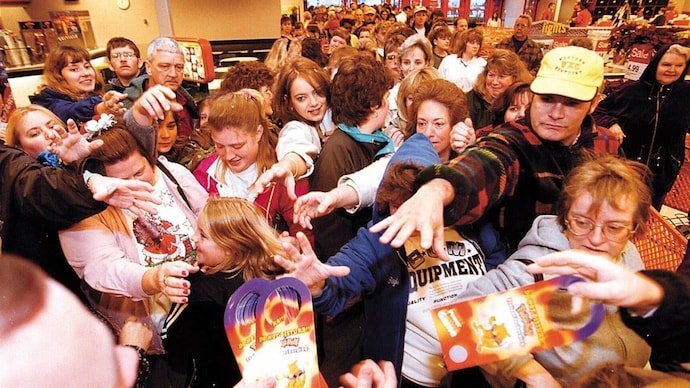
From Playground Craze to Million-Dollar Market
Pokemon, short for “Pocket Monsters,” began as a Japanese video game franchise in the 1990s before exploding into global popularity through TV shows, movies, and trading cards. For years, collecting cards was a hobby driven by passion and fandom.
Today, it’s a different story.
Rare Pokemon cards are now treated like alternative investments similar to art, vintage watches, or even cryptocurrency. Some cards are auctioned for staggering amounts, transforming the perception of what was once a simple collectible.
This shift has been driven by a combination of nostalgia, scarcity, and a booming resale market.
The Revival: How Pokemon Cards Became Valuable Again
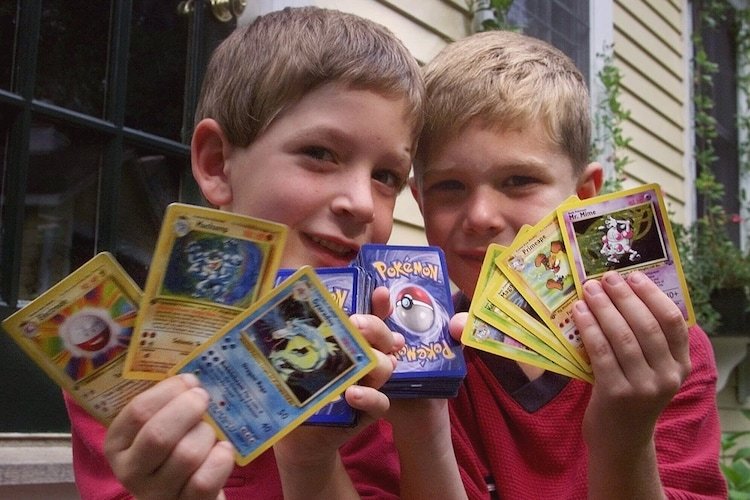
The resurgence of Pokemon cards didn’t happen overnight. It was fueled by multiple cultural and economic factors:
- Pokemon GO (2016): Reintroduced the franchise to a new generation
- Pandemic Lockdowns: People rediscovered old collections and hobbies
- Social Media Influence: High-profile collectors and influencers showcased rare cards
- Record-Breaking Sales: Multi-million-dollar auctions redefined value expectations
One high-profile sale in particular changed the narrative a rare Pikachu card fetching millions, proving that trading cards could rival traditional investments in value.
Suddenly, Pokemon cards weren’t just collectibles. They became speculative assets.
Why Criminals Are Targeting Pokemon Cards
The logic behind the crime wave is straightforward: high value, easy portability, and growing demand.
Pokemon cards have several characteristics that make them attractive to thieves:
- High Value Density: A single card can be worth thousands of dollars
- Easy to Transport: Small, lightweight, and easy to conceal
- Liquid Market: Can be sold quickly online or through collectors
- Difficult Tracking: Once graded or resold, tracing ownership becomes challenging
In essence, Pokemon cards combine the advantages of cash, luxury goods, and collectibles making them an ideal target for opportunistic and Organized Crime.
How the Black Market Works

Stolen cards rarely remain in their original form. Instead, they enter a structured resale pipeline:
- Cards are cleaned and repackaged
- They are sent for professional grading to authenticate condition and value
- Once graded, they receive a new identity and serial number
- They are sold on online marketplaces or through private collectors
This process makes it extremely difficult for authorities to trace stolen items, especially in a global market where buyers and sellers are often anonymous.
Global Crime Cases: A Pattern Emerges
The recent spike in thefts shows a clear global pattern and increasing boldness.
| Location | Incident Type | Estimated Value |
|---|---|---|
| California (USA) | Tunnel break-in at store | $180,000 |
| Chicago (USA) | Store burglary | $100,000 |
| New York (USA) | Armed robbery with hostages | $110,000 |
| Hong Kong | Snatch-and-run theft | $31,000+ |
| Canada | Teen robbery using bear spray | Undisclosed |
| UK | Repeated store thefts | Hundreds of pounds |
These incidents highlight a troubling shift from opportunistic theft to organized, high-risk criminal activity.
Why Even Small Stores Are Vulnerable
Unlike banks or jewelry stores, trading card shops often lack high-end Security systems. This makes them easy targets.
Additionally:
- Inventory is highly valuable but compact
- Events and conventions create crowded environments
- Staff may not be trained for high-risk security situations
Some shop owners are now reconsidering whether selling high-value cards is worth the risk.
The Role of Economic Uncertainty

Another overlooked factor behind the Pokemon card boom and the crime surrounding it is economic uncertainty.
When traditional income sources feel unstable, people often turn to alternative assets. Collectibles like Pokemon cards offer:
- Tangible ownership
- Potential for high returns
- A sense of control over investment
But where there is rapid value creation, there is also exploitation.
In simple terms: when something becomes valuable fast, crime tends to follow just as quickly.
A Unique Insight: The “Gamification” of Investing
One deeper trend behind this phenomenon is the gamification of investing.
Pokemon cards sit at the intersection of:
- Gaming culture
- Nostalgia-driven consumption
- Speculative investing
This creates a unique Environment where emotional attachment meets financial opportunity. Unlike stocks or bonds, these assets carry personal meaning making demand even stronger.
However, this also means prices can be volatile and driven by hype, making it difficult to predict long-term value.
Comparison: Pokemon Cards vs Traditional Assets
| Factor | Pokemon Cards | Traditional Investments |
|---|---|---|
| Liquidity | Moderate | High (stocks, bonds) |
| Volatility | High | Moderate |
| Emotional Value | Very High | Low |
| Security Risk | High (physical theft) | Low (digital/regulated) |
What Happens Next? The Future of the Pokemon Card Market
The current trajectory suggests that both value and risk will continue to rise.
Short-Term Outlook
- Continued thefts and security concerns
- Rising insurance costs for retailers
- Increased scrutiny on online marketplaces
Long-Term Trends
- Better authentication and tracking systems
- Growth of regulated marketplaces
- Institutional interest in collectibles as assets
As the market matures, it may become safer but also more complex.
Conclusion: When Nostalgia Meets High Stakes
The rise of Pokemon card-related crime is a reminder of how quickly cultural trends can evolve into economic phenomena and how those, in turn, can attract criminal activity.
What began as a simple childhood hobby has transformed into a global marketplace with real financial stakes. And like any valuable asset, it now comes with risks.
The irony is hard to miss: cards once traded casually in schoolyards are now being guarded like treasure because, in today’s market, that’s exactly what they are.
For breaking news and live news updates, like us on Facebook or follow us on Twitter and Instagram. Read more on Latest World on thefoxdaily.com.






COMMENTS 0