
The number of people injured in a powerful Earthquake that struck China’s Tibet region has risen to 65, while the death toll remains unchanged at 16, according to local government information released on Friday, October 23. The magnitude 7 earthquake struck Nagqu, a sparsely populated, high-altitude city in northern Tibet, triggering emergency rescue operations and the relocation of thousands of residents.
Authorities have deployed police personnel to the affected area to assess damage, assist residents and carry out emergency relief work. More than 300 police officers, including traffic and community police personnel, were sent to the epicentre, the Nagqu police department said in a post on WeChat early Friday.
State media outlet Xinhua reported that more than 12,000 people had been safely relocated following the earthquake. Emergency teams have been checking damaged homes and helping residents move to safer locations as authorities continue to respond to the disaster.
The earthquake is reported to be the strongest to hit China since January 2024. The latest figures indicate that the number of injured people has increased, although the death toll remains at 16.
China Tibet Earthquake: Latest Death Toll and Injury Figures
According to a local government social media post cited by Reuters, the magnitude 7 earthquake in Tibet has left 16 people dead and 65 injured. The updated injury figure was reported on Friday, October 23, while the number of fatalities remained unchanged.
The earthquake struck the Nagqu area in northern Tibet, where the high altitude and widely dispersed population present challenges for emergency response operations. Authorities have mobilised police officers and relief personnel to help assess the impact of the tremor and support affected communities.
The latest reported figures highlight the human impact of the earthquake, with dozens of people injured and thousands of residents moved to safer locations. However, the information available in the report does not provide a detailed breakdown of the injured, the extent of damage to individual buildings or the number of people receiving hospital treatment.
Emergency operations have focused on inspecting homes, identifying potential hazards and helping people leave areas considered unsafe. Police personnel have also been involved in traffic management and community-level assistance.
More Than 300 Police Officers Deployed for Rescue and Relief
The Nagqu police department said that more than 300 officers had been dispatched to the earthquake’s epicentre to support rescue and emergency relief efforts. The deployment included traffic police and community police personnel.
According to the department’s post on WeChat, officers were tasked with checking homes for damage and helping residents relocate to safer places. Their work forms part of the broader response to the earthquake, which has prompted authorities to move thousands of people away from potentially dangerous buildings and locations.
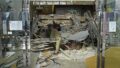
Videos released by the police department showed officers working during the night as they prepared supplies and inspected buildings and debris. In footage posted on Douyin, China’s sister app to TikTok, officers could be seen packing supplies into a truck in darkness and examining a building and rubble with flashlights.
The footage offered a glimpse of the emergency response taking place in the affected region. The use of flashlights during inspections indicated that officers were carrying out checks in low-light conditions as they assessed the situation following the tremor.
Police officers have also been helping residents move to safer locations. Such operations are important after a major earthquake because damaged buildings and debris can pose continuing risks to people who remain in affected areas.
More Than 12,000 People Relocated to Safety
More than 12,000 people have been safely relocated following the earthquake, according to China’s state media outlet Xinhua. The relocation effort is among the major developments reported since the tremor struck Nagqu.
Residents in affected areas have been leaving their homes and seeking shelter outside, including in vehicles parked along streets. Videos previously released by local official media showed people moving away from buildings and gathering in safer outdoor locations after the earthquake.
The relocation of thousands of residents reflects the precautionary measures being taken in the affected region. Following a strong earthquake, authorities must assess whether homes and other structures remain safe to occupy, particularly when visible damage or structural instability may create risks.
The Nagqu police department said officers were checking homes and helping people move to safer places. These inspections can help authorities identify buildings that may require further examination before residents can return.
The available report does not specify how long the relocated residents are expected to remain away from their homes or whether temporary shelters have been established for all those affected. It also does not provide a detailed account of the number of buildings damaged by the earthquake.
Residents Describe Fear During the Earthquake
Videos released by local official media showed residents leaving their homes and seeking shelter outside or inside their parked cars following the earthquake. The footage illustrated the immediate disruption caused by the powerful tremor and the precautions taken by people in the affected area.
One resident reported being awakened by the strong earthquake and hearing the house squeaking during the shaking. The account provides a glimpse of the experience of residents who were caught off guard by the tremor.
Earthquakes can cause sudden movement in buildings, making it difficult for residents to assess the extent of potential damage while the shaking is taking place. The scenes described in local media showed people moving outdoors and away from their homes as they responded to the event.
The latest information does not provide a comprehensive account of the experiences of residents across Nagqu. However, the reported evacuations and ongoing building inspections indicate that authorities have been working to reduce the risks faced by people in the affected communities.
China Records 413 Aftershocks Following the Main Tremor
The China Earthquake Networks Center said in a social media post that 413 aftershocks had been recorded following the main earthquake.
Aftershocks are smaller earthquakes that occur after a larger seismic event as the Earth’s crust adjusts to changes in stress along faults. They can continue after the initial tremor and may affect areas that have already experienced shaking.
The report of 413 aftershocks highlights the continued seismic activity recorded in the region. For residents and emergency responders, such activity can complicate recovery efforts, particularly when buildings have already been damaged or are awaiting structural inspections.
Authorities have continued rescue and relief operations, including checking homes and helping residents relocate. The available report does not specify the magnitudes of the recorded aftershocks or whether any of them caused additional damage or injuries.
The aftershock count also provides important context for the emergency response. Even after the main earthquake has passed, authorities and residents may need to remain cautious while the affected area is assessed.
Why the Earthquake in Nagqu Is Significant
The magnitude 7 earthquake struck Nagqu, a sparsely populated, high-altitude city in northern Tibet. According to the Reuters report, it is the strongest earthquake to hit China since January 2024.
The region’s geography is an important part of the context surrounding the disaster. Nagqu is located in a high-altitude area where communities are spread across a large region. Emergency services must therefore coordinate inspections, relief work and the movement of residents across the affected locations.
The deployment of more than 300 police officers and the relocation of more than 12,000 people show the scale of the response described by local authorities and state media. Rescue teams have been working to inspect homes and help residents reach safer locations.
Although the latest reported death toll remains at 16, the increase in injuries from earlier figures to 65 demonstrates that the reported impact has continued to develop as authorities provide updates.
The available information does not establish the full extent of damage to infrastructure or the total economic cost of the earthquake. Further details may emerge as inspections and emergency operations continue.
Comparison With the Deadly 2010 Yushu Earthquake
The latest earthquake has also drawn attention to the region’s history of major seismic disasters. In 2010, a magnitude 7.1 earthquake struck Yushu in neighbouring Qinghai province, killing at least 2,698 people and leaving nearly 300 others missing.
The 2010 disaster had a far higher reported death toll than the current earthquake in Tibet. However, the two events occurred in different locations and should not be treated as directly equivalent based on magnitude alone.
The impact of an earthquake can vary depending on factors such as its depth, distance from populated areas, local geology, building conditions and the effectiveness of emergency response operations. The information provided about the two earthquakes does not contain enough detail to establish a direct comparison of all these factors.
The historical reference nevertheless illustrates the serious consequences that powerful earthquakes can have in the broader region. The ongoing response in Nagqu has focused on rescue operations, building inspections and relocating residents away from potentially unsafe locations.
What Happens Next in China’s Tibet Earthquake Response?
Authorities are continuing to respond to the earthquake through police deployment, emergency relief operations and inspections of residential buildings. Officers have been checking homes for damage and helping residents move to safer locations, while state media has reported that more than 12,000 people have already been relocated.
The number of recorded aftershocks is another factor in the situation. With the China Earthquake Networks Center reporting 413 aftershocks, inspections and safety assessments remain important for residents and emergency personnel working in the affected area.
Further updates from local authorities will be needed to establish whether the number of injured people changes, how much damage has been caused to homes and infrastructure, and when displaced residents may be able to return safely.
The available report does not provide a timeline for the completion of rescue operations or a final assessment of the earthquake’s overall impact.
Conclusion
The magnitude 7 earthquake that struck Nagqu in China’s Tibet region has injured 65 people and killed 16, according to the latest figures reported on Friday, October 23. The death toll remains unchanged, while the number of injured people has increased.
More than 300 police officers have been deployed to support rescue and emergency relief work, and more than 12,000 people have been safely relocated, according to Xinhua. Officers are inspecting homes, checking for damage and helping residents move to safer places.
The China Earthquake Networks Center has also reported 413 aftershocks. As emergency operations continue, authorities face the task of assessing damage, supporting displaced residents and monitoring the situation following what Reuters described as China’s strongest earthquake since January 2024.
For breaking news and live news updates, like us on Facebook or follow us on Twitter and Instagram. Read more on Latest World on thefoxdaily.com.


COMMENTS 0