- What Iran’s Response Reportedly Included
- Why the Strait of Hormuz Remains the Core Battlefield
- Trump’s Strategy: Diplomacy Backed by Maximum Pressure
- The Uranium Dispute Is Becoming Even More Dangerous
- Why Iran Refuses to Give Up Enrichment
- The Shadow of the 2015 Nuclear Deal Still Looms Large
- Why Pakistan’s Mediation Matters
- Trump’s Military Language May Complicate Diplomacy
- The Global Economic Stakes Are Enormous
- Could Military Escalation Return?
- Why This Crisis Reflects a Bigger Global Shift
- What Happens Next?
- Conclusion
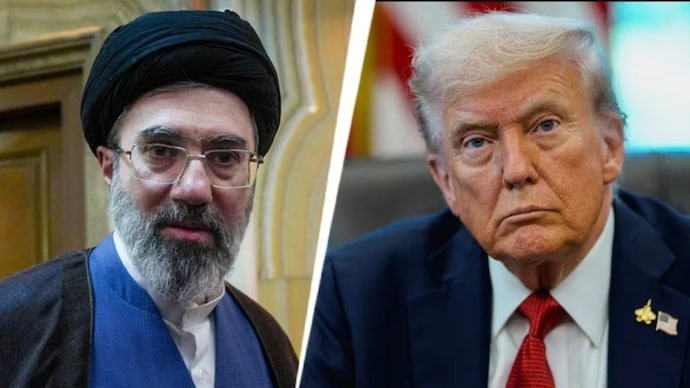
The already fragile diplomatic opening between the United States and Iran suffered another major setback after President Donald Trump publicly rejected Tehran’s latest response to Washington’s proposed peace framework.
Hours after Iran reportedly conveyed its position through Pakistani mediators, Trump responded with blunt hostility, signalling that the possibility of a breakthrough remains uncertain despite weeks of indirect negotiations.
Posting on Truth Social, Trump declared:
“I have just read the response from Iran’s so-called ‘Representatives.’ I don’t like it TOTALLY UNACCEPTABLE!”
The sharp response immediately intensified concerns that the conflict could move away from diplomacy and back toward military escalation.
More importantly, Trump’s comments revealed that Washington’s strategy now appears to involve simultaneous negotiations and sustained military pressure a combination that risks pushing the crisis into an even more dangerous phase.
What Iran’s Response Reportedly Included
According to Iranian state media, Tehran rejected key elements of the latest American proposal because it viewed the framework as equivalent to political surrender.
The response reportedly focused on:
- Ending the wider regional conflict
- Reducing tensions involving Lebanon
- Addressing security around the Strait of Hormuz
- Preserving Iran’s nuclear sovereignty
However, Iran reportedly avoided offering clear commitments on reopening the Strait of Hormuz or dismantling its enrichment programme two issues central to Washington’s demands.
That gap appears to be one of the primary reasons Trump reacted so aggressively.
Why the Strait of Hormuz Remains the Core Battlefield
Although public attention often focuses on missiles and military strikes, the true strategic centre of the crisis remains the Strait of Hormuz.
The narrow waterway handles one of the largest concentrations of global oil shipments anywhere in the world.
Before the conflict escalated, nearly one-fifth of global oil supplies moved through the corridor connecting the Persian Gulf to international markets.
That makes the strait critically important not only to Iran and the United States, but also to:
- China
- India
- Europe
- Japan
- Global energy markets
Any prolonged disruption threatens to increase:
- Fuel prices
- Shipping costs
- Inflation pressures
- Economic instability worldwide
Even though markets recently showed cautious optimism, investors remain highly sensitive to developments in the Gulf.
Trump’s Strategy: Diplomacy Backed by Maximum Pressure
Trump’s latest remarks show that his administration is pursuing what could be described as a “maximum pressure plus negotiation” strategy.
While diplomatic channels technically remain open, Trump simultaneously warned that the United States could expand military operations dramatically if talks fail.
In a televised interview, he claimed the U.S. military had already completed “probably 70 percent” of its intended targets inside Iran.
He added that American forces could quickly destroy remaining targets within two weeks if necessary.
The message was unmistakable:
- Negotiate on Washington’s terms
- Or face deeper military escalation
This dual-track approach reflects Trump’s long-standing negotiating style, where economic and military leverage are used alongside diplomacy.
The Uranium Dispute Is Becoming Even More Dangerous
At the heart of the crisis lies one issue that neither side appears willing to compromise on: Iran’s enriched uranium stockpile.
Trump escalated tensions further by issuing direct threats linked to Iran’s nuclear material.
He claimed the United States was closely monitoring the uranium stockpile using advanced surveillance capabilities tied to the Space Force.
“If anybody gets near the place, we will know about it, and we’ll blow him up,” Trump warned.
The statement dramatically raised the stakes surrounding Iran’s nuclear facilities.
According to international estimates, Iran possesses more than 400 kilograms of uranium enriched to 60 percent purity.
While 60 percent enrichment is below weapons-grade level, experts say uranium enriched to roughly 90 percent could potentially be used for nuclear weapons.
Why Iran Refuses to Give Up Enrichment
For Tehran, uranium enrichment is not just a technical issue it has become a symbol of sovereignty and national resistance.
Iranian officials continue insisting that:
- Its nuclear programme is legal under international law
- Enrichment is a sovereign right
- Foreign powers cannot dictate Iran’s scientific capabilities
- Surrendering nuclear material would weaken national independence
Iran’s Foreign Ministry spokesperson Esmaeil Baghaei recently reinforced that position by saying:
“Enriched uranium is as sacred to us as Iranian soil.”
That statement illustrates how deeply political and symbolic the nuclear issue has become inside Iran.
The Shadow of the 2015 Nuclear Deal Still Looms Large
The current crisis cannot be understood without revisiting the collapse of the 2015 nuclear agreement known as the Joint Comprehensive Plan of Action (JCPOA).
Under the agreement:
- Iran limited uranium enrichment levels
- International inspections increased
- Economic sanctions were eased
- Iran gained broader access to global markets
However, Trump withdrew the United States from the agreement during his first presidency, arguing the deal was weak and temporary.
Iran gradually expanded enrichment activities after sanctions returned.
Now, years later, mistrust between both sides appears even deeper than before.
Why Pakistan’s Mediation Matters
One underreported aspect of the negotiations is Pakistan’s role as intermediary.
Islamabad has emerged as a key communication bridge between Washington and Tehran during this crisis.
Pakistan’s involvement is strategically important because it maintains relationships with both sides while also possessing regional influence.
The mediation effort also reflects a broader geopolitical trend where middle powers increasingly shape Global Diplomacy.
Countries outside traditional Western alliances are now playing larger roles in conflict management and negotiation channels.
Trump’s Military Language May Complicate Diplomacy
While Trump’s warnings are designed to project strength, they may also complicate the diplomatic process.
Iranian leaders historically respond negatively to public ultimatums, especially when framed as demands for surrender.
Analysts believe aggressive rhetoric could:
- Strengthen hardliners inside Iran
- Reduce room for compromise
- Increase nationalist sentiment
- Make negotiations politically risky for Tehran
This creates a paradox where pressure intended to force concessions may instead harden resistance.
The Global Economic Stakes Are Enormous
The conflict is no longer merely a regional dispute.
Its consequences now affect:
- Global energy security
- International shipping
- Inflation trends
- Financial markets
- Supply chains
Asian economies, particularly India and China, are watching developments closely because both countries rely heavily on Gulf energy supplies.
European economies also remain vulnerable to prolonged disruptions in oil markets.
That explains why many governments continue quietly pushing for de-escalation even while public diplomacy remains cautious.
Could Military Escalation Return?
Despite ongoing negotiations, the possibility of renewed military confrontation remains high.
Several risk factors continue driving instability:
- Naval tensions in the Gulf
- Disputes over uranium enrichment
- Regional proxy conflicts
- Economic sanctions
- Political pressure in Washington and Tehran
Even a small military incident in the Strait of Hormuz could rapidly trigger wider escalation.
That is why analysts describe the current ceasefire environment as extremely fragile rather than stable.
Why This Crisis Reflects a Bigger Global Shift
Beyond the immediate conflict, the U.S.-Iran confrontation is increasingly becoming part of a larger Global Power transition.
Iran has repeatedly attempted to strengthen ties with:
- China
- Russia
- BRICS nations
- Regional Asian powers
Meanwhile, the United States continues trying to maintain strategic dominance across critical maritime and energy corridors.
The Strait of Hormuz crisis therefore represents not only a regional security dispute, but also a broader contest over global influence and economic power.
What Happens Next?
The coming days may prove decisive.
Several key questions remain unanswered:
- Will Iran revise its negotiating position?
- Will Trump escalate military pressure further?
- Can Pakistan or other mediators revive diplomacy?
- Will the Strait of Hormuz reopen fully?
- Can a compromise over uranium enrichment be reached?
At the moment, neither side appears willing to fully back down.
That leaves the conflict balanced uneasily between negotiation and escalation.
Conclusion
Donald Trump’s rejection of Iran’s response to the latest peace proposal has once again exposed how fragile and volatile the current diplomatic process remains.
While communication channels are still active, the combination of military threats, nuclear tensions and geopolitical rivalry continues pushing both sides toward confrontation rather than compromise.
The crisis now extends far beyond bilateral relations between Washington and Tehran. It affects global oil markets, maritime security, regional stability and the future balance of power in the Middle East.
For now, diplomacy has not collapsed but it is clearly under severe strain.
Whether the coming weeks bring a negotiated breakthrough or renewed escalation may depend on which side decides first that continued conflict carries greater risks than compromise.
For breaking news and live news updates, like us on Facebook or follow us on Twitter and Instagram. Read more on Latest World on thefoxdaily.com.




COMMENTS 0