- Introduction: A Diplomatic Clock Ticking Toward Midnight
- What’s Happening: Why JD Vance’s Pakistan Visit Is on Hold
- Why Iran Is Hesitating
- Washington’s Position: Pressure as Leverage
- The Two Core Flashpoints Blocking a Deal
- Pakistan’s Role: Mediator Under Pressure
- Market Reaction: The Economic Ripple Effect
- Comparison: Diplomacy vs Military Escalation
- New Insight: The Timing Trap in Modern Diplomacy
- What Happens Next? Three Possible Scenarios
- Conclusion: A Defining Moment for Diplomacy
Introduction: A Diplomatic Clock Ticking Toward Midnight
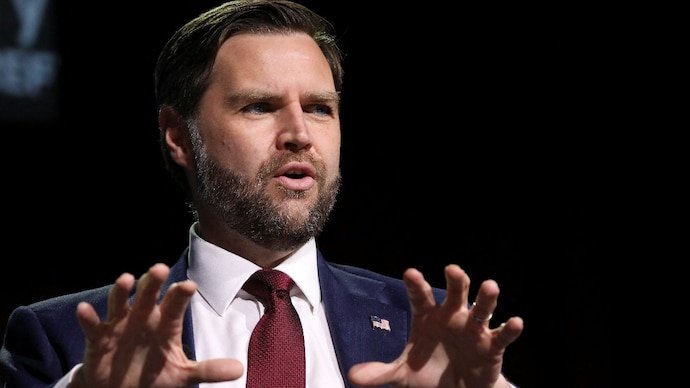
Are the US-Iran Peace Talks already doomed, or is this just another high-stakes pause in a long diplomatic chess game? As the ceasefire deadline between Washington and Tehran approaches, uncertainty is deepening. What was meant to be a crucial diplomatic moment US Vice President JD Vance’s visit to Pakistan has now been put on hold, raising fresh doubts about whether negotiations will even take place.
The situation is tense and fluid. The United States, Iran, and Pakistan are all central players in this unfolding drama. The talks were scheduled in Islamabad, timed precisely with the expiration of a fragile ceasefire. But with Iran yet to commit and the US signaling a hardline stance, the path to de-escalation looks increasingly uncertain.
This isn’t just another diplomatic delay. It’s a moment that could determine whether the region moves toward dialogue or slides back into conflict.
What’s Happening: Why JD Vance’s Pakistan Visit Is on Hold
The planned visit of JD Vance to Pakistan was supposed to inject momentum into stalled negotiations. Instead, its suspension has exposed the fragility of the entire process.
Key developments include:
- The visit has not been officially cancelled but remains on hold
- Talks were scheduled to align with the ceasefire expiration
- Iran has not confirmed participation, creating a diplomatic vacuum
In Diplomacy, timing is everything. The fact that this visit was planned for the exact moment the ceasefire expires shows how critical these talks were meant to be. Now, that timing has turned into a pressure point.
Why Iran Is Hesitating
Iran’s reluctance to commit is not random it reflects deeper strategic concerns.
1. Distrust Over US Actions
Recent maritime confrontations, including the interception of Iranian vessels, have reinforced Tehran’s perception that Washington is negotiating from a position of coercion.
2. Mixed Signals from Washington
While the US expresses willingness to negotiate, it continues enforcement measures like blockades. This dual approach talk and pressure creates uncertainty about true intentions.
3. Internal Political Calculations
Iran’s leadership is not monolithic. Different factions may disagree on whether to engage, especially under perceived pressure.
The result? A strategic pause that keeps options open while avoiding immediate concessions.
Washington’s Position: Pressure as Leverage
The United States appears to be pursuing a classic pressure-based negotiation strategy.
Its approach combines:
- Military readiness signals
- Economic and maritime restrictions
- Firm demands on nuclear policy
This strategy is designed to push Iran toward concessions. But it carries a risk too much pressure can harden resistance instead of encouraging compromise.
In high-stakes diplomacy, leverage can open doors or slam them shut.
The Two Core Flashpoints Blocking a Deal
At the heart of the stalemate are two unresolved issues that neither side is willing to compromise on easily.
Nuclear Program Dispute
The United States wants strict limitations on Iran’s nuclear capabilities, particularly regarding enriched uranium. Iran, however, insists its program is peaceful and seeks Sanctions relief without dismantling key components.
Strait of Hormuz Control
The Strait of Hormuz has become a strategic battleground. Iran’s actions affecting the waterway and the US response through naval enforcement have escalated tensions significantly.
These are not minor disagreements they are foundational issues tied to sovereignty, security, and global power dynamics.
Pakistan’s Role: Mediator Under Pressure
Pakistan finds itself in a delicate position as host and mediator.
Its objectives are clear:
- Facilitate dialogue between two adversaries
- Enhance its global diplomatic standing
- Prevent regional instability that could affect its own economy
But mediation is only effective when both sides are willing to engage. Right now, Pakistan is managing expectations as much as it is managing logistics.
The heavy security deployment in Islamabad underscores how seriously the situation is being taken. Yet, without confirmed participation, even the best preparations may not lead to meaningful talks.
Market Reaction: The Economic Ripple Effect
Geopolitical uncertainty rarely stays confined to diplomacy it quickly spills into global markets.
Recent trends show:
- Oil prices rising due to supply concerns
- Stock markets showing signs of volatility
- Energy-dependent economies bracing for impact
This is a reminder that the stakes extend far beyond politics. Everyday consumers, industries, and governments all feel the effects of instability in the Middle East.
Comparison: Diplomacy vs Military Escalation
| Approach | Diplomacy | Military Escalation |
|---|---|---|
| Outcome Speed | Slow but sustainable | Immediate but risky |
| Global Impact | Stabilizing | Disruptive |
| Economic Effect | Predictable | Volatile |
| Long-term Stability | High potential | Low certainty |
This contrast highlights what’s truly at stake. The delay in talks is not just a scheduling issue it’s a fork in the road between dialogue and escalation.
New Insight: The Timing Trap in Modern Diplomacy
Here’s a critical angle often overlooked: the role of timing pressure in negotiations.
By aligning talks with the ceasefire deadline, both sides have created a high-pressure environment. While this can accelerate decisions, it can also backfire.
- Deadlines can force clarity or trigger withdrawal
- Pressure can encourage compromise or deepen mistrust
- Last-minute diplomacy can lead to breakthroughs or breakdowns
In this case, the timing appears to be working against the talks, not for them.
What Happens Next? Three Possible Scenarios
As the deadline approaches, three outcomes seem likely:
- Last-Minute Breakthrough: Iran agrees to participate, and talks proceed with urgency
- Temporary Extension: Ceasefire is extended informally, buying time for negotiations
- Escalation: Talks collapse, leading to renewed military tensions
The first scenario would be ideal, but the current signals suggest the situation is leaning toward uncertainty rather than resolution.
Conclusion: A Defining Moment for Diplomacy
The delay of JD Vance’s Pakistan visit is more than a logistical hiccup it’s a reflection of deeper fractures in the US-Iran negotiation process.
With the ceasefire deadline looming, the world is watching closely. Will diplomacy find a way forward, or will the opportunity slip away?
In geopolitics, moments like these don’t just shape outcomes they define them.
For now, the answer remains uncertain. But one thing is clear: the next move, whether diplomatic or military, will have consequences far beyond the negotiating table.
For breaking news and live news updates, like us on Facebook or follow us on Twitter and Instagram. Read more on Latest World on thefoxdaily.com.




COMMENTS 0