- What Happened: Chaos at a High-Profile Political Gathering
- Global Reaction: A Rare Moment of Unified Condemnation
- Why This Incident Matters Beyond the US
- The Security Factor: Quick Response Prevented Escalation
- A Deeper Trend: The Normalization of Political Threats?
- Comparison: Then vs Now in Political Event Security
- The Role of Messaging: Why Leaders Emphasized “Violence Is Never the Answer”
- What Happens Next: Security, Investigation, and Reflection
- Conclusion: A Close Call with Global Implications
A moment meant to celebrate journalism and democratic dialogue turned into one of fear and urgency on Saturday night in Washington, as gunshots disrupted a high-profile political gathering attended by former US President Donald Trump, senior officials, and members of the press.
The Washington shooting at Trump event has drawn swift and unified condemnation from world leaders, who described the incident as an unacceptable act of political violence while expressing relief that Trump, his family, and most attendees were unharmed.
Even as the immediate threat was contained and a suspect taken into custody, the global reaction underscores a deeper concern: the rising risks to democratic institutions and political spaces worldwide.
What Happened: Chaos at a High-Profile Political Gathering
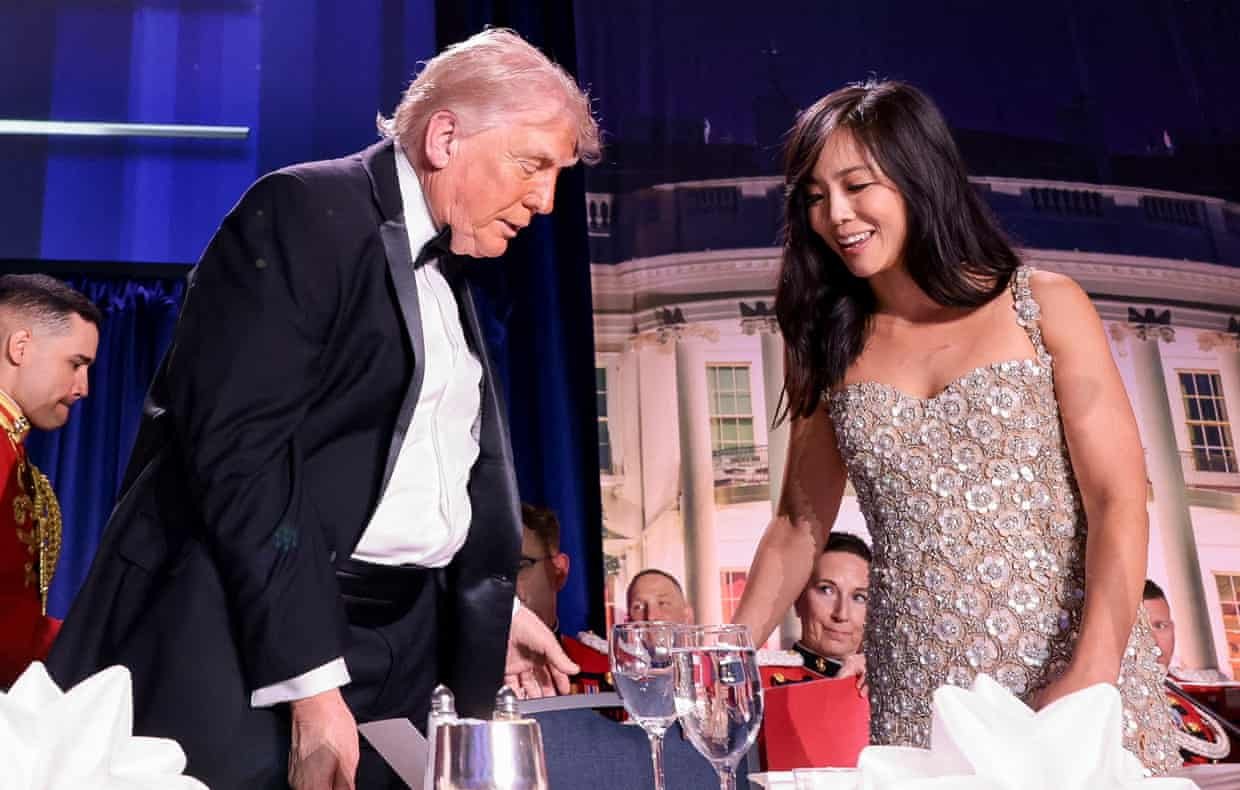
The incident occurred during the White House Correspondents’ Dinner one of Washington’s most prominent annual events, bringing together political leaders, journalists, and diplomats.
According to initial reports:
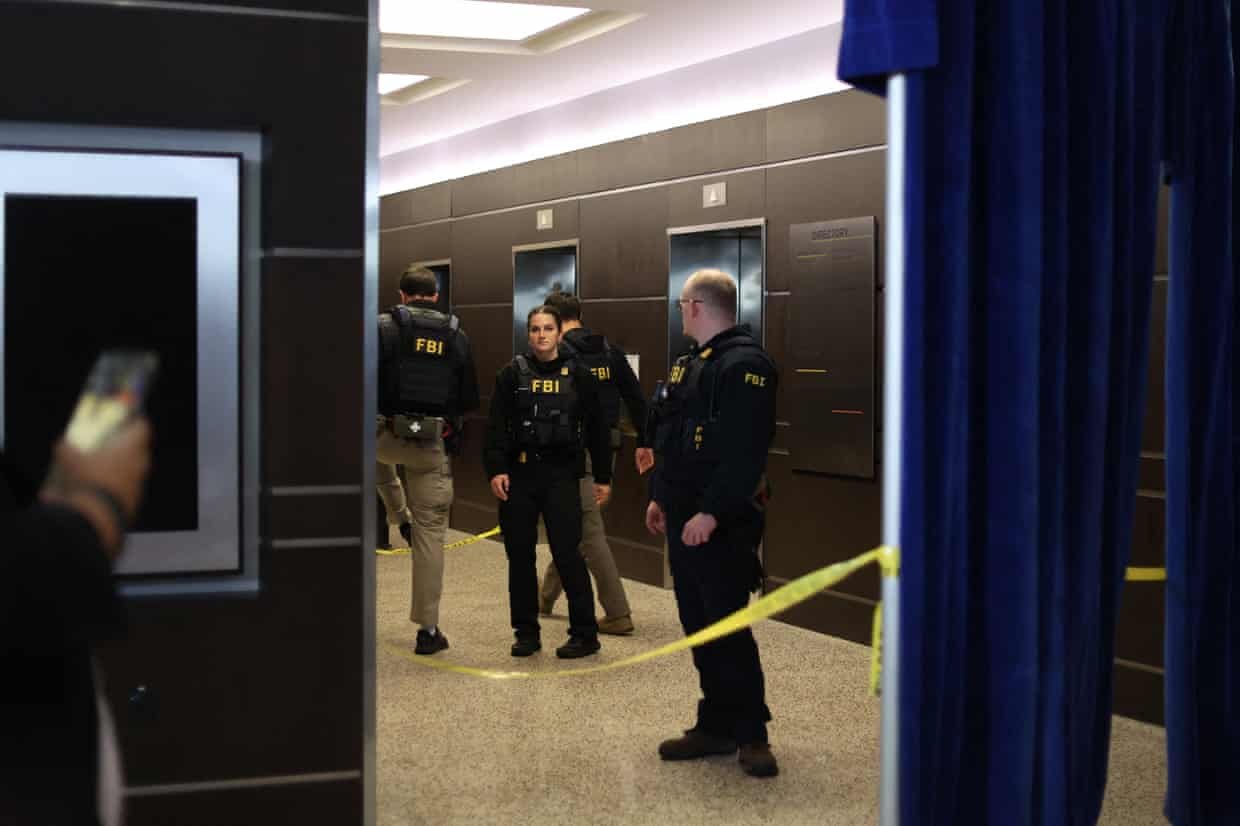
- Gunshots were heard from the hotel lobby area
- Security agencies swiftly evacuated Donald Trump, Melania Trump, and other key attendees
- Law enforcement responded within minutes, securing the premises
- A suspect was apprehended at the scene
An officer injured during the incident was later discharged from hospital, signaling that while the situation was serious, it did not escalate into a mass-casualty event.
Still, the symbolism of the attack targeting a gathering tied closely to democratic discourse has resonated far beyond the United States.
Global Reaction: A Rare Moment of Unified Condemnation
From Europe to Asia, leaders responded with a consistent message: political violence is unacceptable under any circumstances.
United Kingdom
British leadership expressed shock and solidarity, emphasizing the importance of protecting democratic institutions and ensuring security for upcoming diplomatic engagements.
France
France’s response was direct, calling the attack unacceptable and reaffirming that violence has no place in democratic societies.
Canada
Canadian leadership highlighted relief that no major injuries occurred while stressing that such incidents undermine democratic stability.
Mexico
Mexico’s leadership echoed a simple but powerful sentiment: violence must never be the way.
Australia
Australia praised the rapid response of security agencies, pointing to the effectiveness of coordinated law enforcement in preventing escalation.
European Union
EU officials framed the attack as particularly troubling given the context an event meant to celebrate Press Freedom.
India and Global South
Leaders from countries including India and Pakistan expressed relief and condemned the act, reinforcing that democratic values must be defended universally.
This broad alignment highlights a key reality: despite geopolitical differences, there is near-universal agreement on rejecting political violence.
Why This Incident Matters Beyond the US
At one level, this is a domestic security incident. At another, it reflects a global pattern.
The political violence global reaction to the Washington shooting reveals growing concern about the safety of democratic spaces.
Key implications include:
- Increased security risks at political and media events
- Heightened vigilance for upcoming diplomatic visits
- Rising anxiety about attacks targeting symbolic institutions
Events like the White House Correspondents’ Dinner are not just social gatherings they represent the intersection of Politics, media, and public accountability. An attack in such a space carries both physical and symbolic weight.
The Security Factor: Quick Response Prevented Escalation
One of the most important aspects of the incident is how quickly it was contained.
Security agencies, including the Secret Service and local law enforcement, responded rapidly:
- Immediate evacuation of high-profile individuals
- Swift neutralization of the threat
- Efficient coordination between agencies
This response likely prevented a far more serious outcome.
In modern security environments, speed is often the difference between disruption and disaster and in this case, it proved decisive.
A Deeper Trend: The Normalization of Political Threats?
While leaders have condemned the incident, it also raises an uncomfortable question:
Are political threats becoming more frequent and more normalized?
Across multiple democracies in recent years, there has been an uptick in:
- Attacks or threats against political figures
- Security breaches at public events
- Polarization spilling into real-world confrontation
This doesn’t mean Democracy is weakening but it does mean that the environment around it is becoming more volatile.
Comparison: Then vs Now in Political Event Security
| Earlier Era | Current Reality |
|---|---|
| Symbolic security presence | High-intensity, layered security systems |
| Lower perceived threat levels | Persistent threat environment |
| Reactive response models | Proactive, intelligence-driven security |
The shift reflects how security planning has evolved but also how the threat landscape has changed.
The Role of Messaging: Why Leaders Emphasized “Violence Is Never the Answer”
One phrase echoed across statements from multiple countries: violence has no place in democracy.
This consistency is not accidental.
Such messaging serves three purposes:
- Reassure citizens and maintain public confidence
- Signal unity across political divides
- Discourage escalation by reinforcing norms
In moments of crisis, language becomes part of the response strategy.
What Happens Next: Security, Investigation, and Reflection
With the suspect in custody, attention now shifts to the next phase:
1. Investigation
Authorities will examine motive, planning, and any potential connections.
2. Security Review
Expect tighter protocols for high-profile events, especially those involving political leaders.
3. Diplomatic Adjustments
Upcoming visits and engagements may see enhanced coordination and security measures.
4. Public Discourse
The incident is likely to reignite debates around political polarization and public safety.
Conclusion: A Close Call with Global Implications
The Washington shooting at Trump event could have been far worse. That it wasn’t is a testament to rapid security response and preparedness.
But the broader significance lies beyond the immediate outcome.
This incident serves as a reminder that democratic spaces whether political gatherings or press events are increasingly seen as targets. Protecting them is no longer just a security challenge, but a democratic imperative.
When leaders across the world speak in one voice, it is usually because something deeper is at stake than a single event.
In this case, that “something” is the safety of democratic expression itself and ensuring that fear never replaces dialogue in the spaces where it matters most.
For breaking news and live news updates, like us on Facebook or follow us on Twitter and Instagram. Read more on Latest World on thefoxdaily.com.

COMMENTS 0