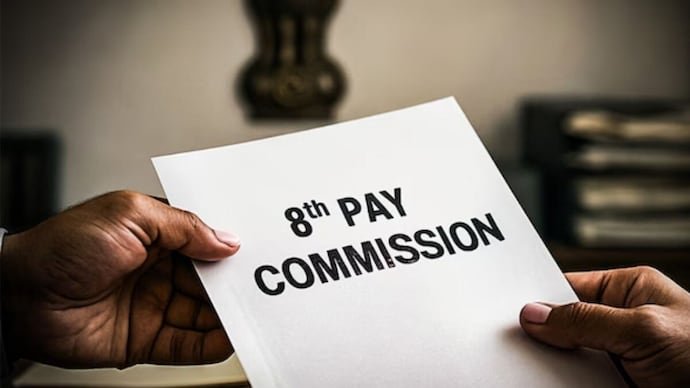
The 8th Pay Commission is set to visit Bhubaneswar, Odisha, on July 6 and 7, 2026, as part of its expanding nationwide outreach programme aimed at consulting employee unions, pensioner associations, and government organisations before finalising recommendations that could affect millions of central government employees and retirees.
The Commission’s latest announcement has generated significant attention among government staff across India because the recommendations of a pay commission directly influence salaries, pensions, allowances, retirement benefits, and long-term fiscal planning.
With Inflation pressures continuing to affect household budgets and employee unions demanding major structural reforms, the Bhubaneswar consultations are expected to become an important stage in shaping the future of government compensation policies.
The visit also signals that the Commission is entering a deeper consultation phase after holding earlier meetings in Delhi and announcing outreach plans in cities including Lucknow, Hyderabad, Srinagar, Ladakh, and Jammu & Kashmir.
What Is the 8th Pay Commission?
The 8th Pay Commission was constituted to review and recommend revisions in:
- Salaries of central government employees
- Pensions for retired employees
- Allowances and benefits
- Pay structures and fitment formulas
- Compensation-related administrative reforms
Pay Commissions in India are typically established periodically to ensure that government compensation structures remain aligned with inflation, economic conditions, fiscal realities, and workforce expectations.
The recommendations usually have far-reaching consequences because they impact:
- Central government employees
- Pensioners
- Defence personnel
- Railway employees
- Public sector compensation benchmarks
- State government salary structures indirectly
Historically, state governments often revise their own salary systems after central pay commission recommendations are implemented.
Why the Bhubaneswar Visit Matters
The Bhubaneswar consultations are important because regional outreach allows the Commission to collect state-specific and sector-specific concerns directly from employee representatives.
Government employees across different regions often face varying economic realities, cost-of-living pressures, and service conditions.
Through these consultations, the Commission can better understand:
- Regional inflation impact
- Housing and transport concerns
- Pension-related grievances
- Demand for revised fitment formulas
- Concerns over retirement Security
The Commission has invited organisations, unions, and employee associations to submit requests for meetings before June 15, 2026.
Stakeholders must also provide a unique Memo ID generated after submitting their memorandum through the official portal.
This structured consultation process indicates that the Commission is attempting to create a more formal and data-driven mechanism for collecting employee feedback.
Key Demands Emerging Before the 8th Pay Commission
Employee unions and pensioner associations across India have already submitted several major demands ahead of the Commission’s recommendations.
Some of the most discussed issues include:
1. Higher Fitment Factor
The fitment factor is one of the most critical aspects of any pay commission because it determines how existing basic salaries are revised.
Under the 7th Pay Commission, the fitment factor was fixed at 2.57.
Many employee organisations are now demanding a significantly higher fitment factor under the 8th Pay Commission to offset inflation and rising living costs.
A higher fitment factor could substantially increase basic salaries across pay levels.
2. Merger of Dearness Allowance With Basic Pay
Another major demand involves merging Dearness Allowance (DA) into basic pay before implementing revised salary structures.
DA is designed to compensate employees for inflation.
As inflation rises over time, DA percentages also increase periodically.
Many unions argue that once DA crosses a certain threshold, it should be merged into basic pay to ensure fair pension calculations and long-term salary benefits.
3. Pension Reforms and OPS-Like Safeguards
Pension reforms remain among the most politically sensitive issues surrounding the 8th Pay Commission.
Several employee bodies continue demanding stronger retirement protections and Old Pension Scheme (OPS)-like safeguards.
The debate reflects growing anxiety among employees regarding retirement security under contributory pension systems.
Pension-related concerns have become especially important due to:
- Longer life expectancy
- Rising Healthcare costs
- Inflation-adjusted retirement expenses
- Market-linked pension uncertainties
4. Revision of Family Unit Formula
Employee associations are also demanding revisions in the family-unit formula used in compensation and benefit calculations.
Many unions argue that older formulas no longer reflect the realities of modern household expenses, urban living costs, Education spending, and healthcare burdens.
This issue could influence:
- House Rent Allowance calculations
- Medical benefits
- Family pension structures
- Dependent support policies
| Major Demand | Why Employees Want It |
|---|---|
| Higher Fitment Factor | Increase in revised basic salary |
| DA Merger | Better pension and long-term pay benefits |
| OPS-like Safeguards | Stronger retirement security |
| Pension Reforms | Protection against inflation and uncertainty |
| Family Unit Revision | Reflect modern household expenses |
Why Inflation Is Driving Employee Pressure
One of the biggest reasons employee unions are intensifying demands is persistent inflationary pressure.
Government employees across income categories have experienced rising costs related to:
- Food and groceries
- Housing and rent
- Education
- Healthcare
- Transportation
- Utilities and fuel
Although periodic Dearness Allowance revisions provide some relief, many employees argue that the current pay structure no longer adequately reflects real-world expenses.
The post-pandemic economic Environment has further intensified these concerns.
Even middle-income salaried households increasingly report pressure from rising urban living costs and education expenses.
The Fiscal Challenge Facing the Government
While employees expect substantial salary revisions, the government faces a major fiscal balancing act.
Pay commission recommendations significantly impact public finances because they increase:
- Salary expenditure
- Pension liabilities
- Allowance obligations
- Long-term fiscal commitments
The central government must therefore balance employee expectations with broader economic realities such as:
- Fiscal deficit targets
- Infrastructure spending priorities
- Defence expenditure
- Welfare commitments
- Tax revenue growth
Large salary hikes can stimulate consumption and boost economic activity, but they also place sustained pressure on government budgets.
This is why pay commissions often become exercises in economic compromise rather than purely employee-focused revisions.
How Previous Pay Commissions Changed Government Salaries
Each pay commission has historically reshaped India’s public sector compensation framework.
The 7th Pay Commission, implemented in 2016, introduced:
- A revised pay matrix system
- Fitment factor-based salary revision
- Changes in allowances
- Modified pension structures
It significantly increased government salary expenditure while also influencing state-level compensation systems.
The 6th Pay Commission earlier transformed public sector salary structures by introducing grade pay mechanisms and broader modernization reforms.
The 8th Pay Commission is now expected to address a very different economic environment shaped by:
- Digital Governance expansion
- Post-pandemic fiscal pressures
- Inflation concerns
- Changing workforce expectations
- Growing pension liabilities
Regional Consultations Could Influence Final Recommendations
The Commission’s decision to hold consultations across multiple regions reflects a recognition that employee concerns vary geographically.
For example:
- Metro-city employees face higher housing costs
- Remote-area staff face connectivity and infrastructure challenges
- Defence and border-region personnel have unique service conditions
- Pensioners in smaller towns face healthcare access issues
The Bhubaneswar visit could therefore provide insights into the concerns of eastern India’s government workforce, including employees serving in semi-urban and rural administrative structures.
Could the 8th Pay Commission Trigger Wider Economic Effects?
Pay commission recommendations often influence the broader Economy beyond government employment.
Large salary revisions can:
- Increase consumer spending
- Boost housing demand
- Stimulate automobile and retail sectors
- Increase banking deposits and loan activity
- Influence inflation patterns
At the same time, higher government expenditure can create fiscal pressures if not matched by revenue growth.
Economists therefore closely monitor pay commission developments because they affect both macroeconomic planning and consumer demand trends.
Digital Submission System Reflects Administrative Modernisation
The requirement for organisations to submit memorandums digitally through the official portal shows how administrative consultation processes are becoming increasingly technology-driven.
The use of unique Memo IDs may help:
- Improve transparency
- Track submissions systematically
- Reduce duplication
- Streamline stakeholder consultations
Such digitisation also reflects broader governance reforms aimed at making public administration more structured and data-oriented.
What Employees Are Watching Most Closely
Among employees, a few issues are attracting especially intense attention:
- Expected fitment factor range
- Timing of implementation
- Pension structure revisions
- Possible DA merger formula
- Changes in allowances
- Arrear expectations
Although the Commission is still in the consultation phase, speculation around these issues has already become widespread across employee forums and associations.
However, experts caution that major structural decisions usually emerge only after extensive fiscal and administrative evaluation.
Conclusion: Bhubaneswar Consultations Could Shape the Future of Government Compensation
The 8th Pay Commission’s upcoming Bhubaneswar visit represents more than just another regional consultation. It is part of a much larger national process that could reshape the salaries, pensions, and financial future of millions of government employees and retirees across India.
As employee unions intensify demands over inflation, retirement security, and revised compensation structures, the Commission faces the difficult task of balancing workforce expectations with economic sustainability.
The discussions in Bhubaneswar are expected to contribute important regional perspectives to that balancing exercise.
Whether the final recommendations ultimately lead to major salary increases, pension reforms, or structural compensation changes, one thing is already clear: the 8th Pay Commission has become one of the most closely watched policy exercises for India’s government workforce.
And with consultations expanding nationwide, the debate over pay, pensions, and public sector financial security is only beginning to intensify.
For breaking news and live news updates, like us on Facebook or follow us on Twitter and Instagram. Read more on Latest Business on thefoxdaily.com.




COMMENTS 0