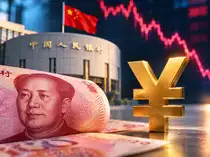
China’s yuan weakened to its lowest level in more than two weeks against the US dollar on November 4 after the People’s Bank of China (PBOC) signalled caution over the currency’s rapid appreciation. The decline followed a weaker-than-expected daily fixing and the central bank’s decision to increase foreign exchange reserve requirements for financial institutions.
The policy moves indicate that Beijing is seeking to moderate the yuan’s gains rather than allow the currency to appreciate too quickly. The latest developments come after the yuan recorded a strong rally against the dollar, supported by export performance and increased corporate currency conversions.
Yuan Falls to More Than Two-Week Low Against US Dollar
The Chinese yuan weakened against the US dollar after the PBOC set its daily reference rate at a weaker level than market participants had expected. The move reinforced the central bank’s efforts to manage the pace of appreciation following the currency’s recent gains.
The yuan’s decline also followed the announcement that China would increase the foreign exchange reserve requirement ratio for financial institutions from 4% to 6%. The adjustment is scheduled to take effect on November 15, 2026.
The combined measures have sent a clear signal that Chinese policymakers are uncomfortable with an excessively rapid rise in the currency. The central bank’s approach is aimed at managing foreign exchange liquidity and reducing one-way expectations in the market.
Why Is the PBOC Trying to Slow Yuan Appreciation?
The yuan has strengthened considerably against the US dollar in recent months. A combination of strong exports, China’s trade surplus and increased corporate conversion of foreign currency into yuan has supported the currency.
However, a rapid appreciation can create challenges for exporters by making Chinese goods more expensive for overseas buyers. It can also affect business planning and currency-market stability when investors begin expecting the yuan to move consistently in one direction.
By setting a weaker daily fixing and increasing foreign exchange reserve requirements, the PBOC is attempting to reduce the pace of appreciation. The measures suggest that policymakers want to prevent excessive currency movements while maintaining an orderly foreign exchange market.
PBOC Raises Foreign Exchange Reserve Requirement to 6%
The central bank announced that the foreign exchange reserve requirement ratio would increase by two percentage points, from 4% to 6%, effective November 15.
Under this requirement, financial institutions must hold a larger portion of their foreign currency deposits as reserves. This reduces the amount of foreign currency available for lending and other market activities, potentially tightening dollar liquidity in China’s domestic financial system.
According to Reuters calculations based on official foreign exchange deposit data, the increase could withdraw approximately $24 billion from the financial system.
The decision represents a significant adjustment in China’s currency management approach. By reducing available foreign currency liquidity, the PBOC aims to ease pressure supporting further yuan appreciation.
Weaker Daily Fixing Sends a Signal to Currency Markets
The PBOC also used its daily reference rate to signal caution over the yuan’s rapid gains. The central bank sets a midpoint rate each trading day, around which the onshore yuan is permitted to move within a specified trading band.
A weaker-than-expected fixing indicates that policymakers are seeking to limit the speed of appreciation. It also provides guidance to market participants about the central bank’s preferred pace of currency movement.
The weaker fixing, combined with the higher foreign exchange reserve requirement, highlights Beijing’s preference for a more controlled currency adjustment rather than an uninterrupted rally.
What Is Driving the Yuan’s Recent Strength?
The yuan’s recent appreciation has been supported by several factors, particularly China’s export performance and strong foreign currency conversion activity.
- Strong exports: Robust overseas demand has supported China’s trade performance and foreign currency inflows.
- Trade surplus: China’s substantial trade surplus has contributed to the supply of foreign currency in the domestic market.
- Corporate conversions: Companies have converted more foreign currency receipts into yuan, increasing demand for the Chinese currency.
- Market expectations: Continued appreciation has encouraged expectations of further yuan gains, potentially creating one-sided market positioning.
These factors have helped the yuan outperform several Asian currencies this year. However, the PBOC’s latest actions suggest that authorities want to prevent the rally from becoming too rapid or creating imbalances in the foreign exchange market.
Will the PBOC Measures Reverse the Yuan’s Rally?
The latest measures are primarily intended to moderate the yuan’s appreciation rather than necessarily reverse its longer-term direction. Higher foreign exchange reserve requirements can reduce available dollar liquidity, while a weaker daily fixing can discourage expectations of uninterrupted currency gains.
However, the effectiveness of these steps will depend on broader market conditions, including export receipts, corporate currency conversions, capital flows and movements in the US dollar.
Market participants have also indicated that the reserve requirement increase may carry significant symbolic importance by demonstrating the central bank’s willingness to manage the pace of appreciation. The measure does not automatically guarantee a sustained weakening of the yuan.
What Investors Should Watch in the Yuan Market
Investors and businesses monitoring China’s Currency Market will be watching several developments following the PBOC’s announcement:
- November 15 policy implementation: The increase in the foreign exchange reserve requirement ratio from 4% to 6% will take effect.
- Daily yuan fixing: Future reference rates will indicate whether the central bank continues to guide the currency towards a more moderate appreciation path.
- Dollar liquidity: Changes in foreign currency availability within China’s banking system could influence currency-market activity.
- Export performance: Trade data and corporate foreign exchange conversions will remain important drivers of yuan demand.
- US dollar movement: Global dollar strength and changes in US monetary policy expectations could influence the yuan’s direction.
Chinese Yuan Outlook: Beijing Seeks a More Controlled Currency Move
The yuan’s fall to a more than two-week low highlights the impact of the PBOC’s efforts to slow its recent appreciation. The weaker daily fixing and higher foreign exchange reserve requirement show that Beijing is using policy tools to manage currency movements and prevent excessive one-way market expectations.
For businesses and investors, the key issue is whether the measures will lead to a sustained change in the yuan’s direction or simply moderate its gains in the near term. The currency’s future performance will depend on China’s trade flows, domestic foreign exchange liquidity and broader movements in global currency markets.
For now, the central bank’s message is that it wants to maintain stability and manage the pace of appreciation rather than encourage an unchecked yuan rally.
For breaking news and live news updates, like us on Facebook or follow us on Twitter and Instagram. Read more on Latest Business on thefoxdaily.com.






COMMENTS 0