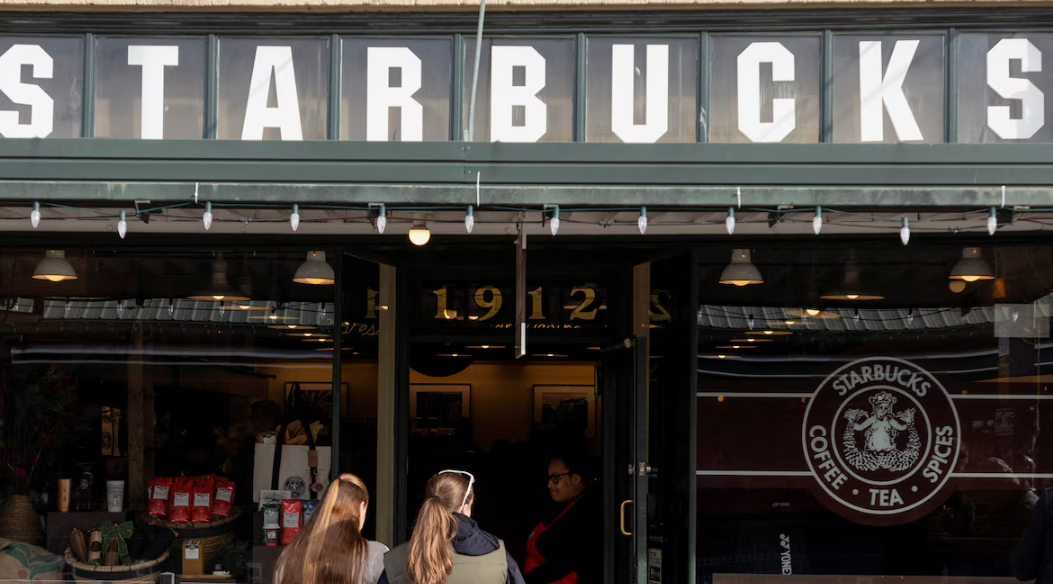
Starbucks will close 250 underperforming coffeehouses in North America as CEO Brian Niccol intensifies efforts to improve the company’s sales, profitability and store performance. The coffee giant disclosed the planned closures in a regulatory filing on September 24, 2026, saying the move will result in about $300 million in restructuring charges.
The latest closures represent roughly 1% of Starbucks’ approximately 18,000 stores across North America. The company expects to complete most of the closures by the end of fiscal 2026, adding another major restructuring step to Niccol’s effort to revive the brand under his “Back to Starbucks” strategy.
Starbucks to Close 250 Underperforming Stores
Starbucks said the 250 coffeehouses scheduled for closure have been identified as underperforming locations. The decision comes roughly a year after the company closed a number of other stores in North America as part of a broader restructuring program.
The previous restructuring included the closure of Starbucks’ iconic Seattle roastery, highlighting the scale of the company’s efforts to reduce costs and reshape its store network.
The new closures are expected to cost approximately $300 million in restructuring charges. While the charges will create a near-term financial burden, the company is using the restructuring to address locations that are not meeting performance expectations.
Most Store Closures Expected by Fiscal 2026 End
Starbucks expects to complete most of the newly announced closures by the end of fiscal year 2026. The timetable means the restructuring will occur alongside other changes to the company’s store portfolio and operating strategy.
The company is also reducing its expectations for new store growth. Starbucks now expects about 440 global net new store openings in fiscal 2026 across company-operated and licensed locations.
That is below its earlier forecast of between 600 and 650 new stores. The revised outlook indicates that Starbucks is placing greater emphasis on improving the performance of its existing network rather than pursuing the same pace of expansion.
Brian Niccol’s Starbucks Turnaround Plan
Starbucks CEO Brian Niccol has been leading the company’s turnaround effort since becoming chief executive. He completed two years in the role in September 2026.
Niccol, the former chief executive of Chipotle Mexican Grill, has focused on making Starbucks stores easier and faster for customers to use. His strategy, known as “Back to Starbucks,” seeks to strengthen the company’s core coffeehouse experience while addressing operational problems that have affected customer visits.
One major focus has been reducing wait times. Starbucks has also simplified menus in the United States in an effort to make ordering and store operations more efficient.
The company has invested in store and kitchen operations while simultaneously looking for ways to reduce corporate costs. Starbucks has cut some corporate positions and closed several regional offices as part of the broader restructuring.
Starbucks Has Reported Four Straight Quarters of Comparable Sales Growth
The restructuring comes despite signs that the turnaround is beginning to generate improvements in sales. As of July 2026, Starbucks had reported four consecutive quarters of comparable sales growth.
Customer traffic had also increased across all income groups, according to comments from Niccol in April. The improvement in traffic is significant because customer visits are a key component of Starbucks’ store-level sales performance.
Comparable sales are an important measure for large restaurant and coffee chains because they generally focus on sales growth at locations that have been operating long enough to be included in the established-store comparison.
For Starbucks, continued comparable-sales growth could provide evidence that operational changes are attracting customers back to its stores. However, sales growth alone does not determine whether the turnaround is financially successful.
Margins Are the Next Major Test
The company is now facing the challenge of converting sales momentum into stronger profitability. Store closures, restructuring expenses, labor costs and investments in operations can all affect margins.
Lale Akoner, a global market strategist at eToro, described the closures as a sensible but costly step in Starbucks’ turnaround and cautioned that investor patience could weaken if improvements in sales and margins stall.
Brian Jacobsen, chief economic strategist at Annex Wealth Management, similarly said Niccol had already demonstrated progress, while identifying stronger margins as an important next measure of the turnaround.
These comments highlight the difference between improving customer traffic and improving the company’s bottom line. Starbucks needs to manage both sides of the equation as it continues restructuring.
Why Starbucks Is Reducing Its Store Expansion Target
Starbucks’ decision to lower its fiscal 2026 store-opening target is another important part of the company’s strategy. The company previously expected between 600 and 650 net new global stores but now anticipates approximately 440.
A slower pace of expansion can allow a company to focus resources on existing locations, especially when some stores are underperforming. For Starbucks, the revised target comes at the same time as the closure of 250 North American coffeehouses.
The combination suggests that the company is reassessing the size and composition of its store network rather than simply pursuing store-count growth.
Starbucks Faces Pressure From Higher Household Costs
The restructuring is taking place against a challenging consumer environment. Households in the United States continue to face elevated costs for essentials such as food and fuel, putting pressure on discretionary spending.
Coffee purchases can be relatively small compared with major household expenses, but frequent purchases at premium coffee chains can still become an area where consumers adjust their spending when budgets become tighter.
Starbucks’ comparatively expensive drinks have nevertheless continued to attract customers despite broader pressure on non-essential spending. The company has reported stronger customer traffic across different income groups, suggesting that the brand continues to maintain demand even in a cost-conscious environment.
What the 250 Store Closures Mean for Starbucks
The planned closures will reduce Starbucks’ North American store footprint, but the company’s broader strategy is not simply about becoming smaller. The goal is to improve the performance and efficiency of the remaining network while continuing to attract customers.
Underperforming stores can create pressure on a restaurant or coffee chain because each location carries expenses such as rent, labor, utilities, maintenance and supplies. If sales are insufficient to cover those costs and generate an appropriate return, closing a location can become part of a broader portfolio-management strategy.
However, closing stores also means losing revenue opportunities and can reduce the company’s physical presence in certain markets. Starbucks therefore has to balance cost reduction with maintaining convenient locations for customers.
From Store Operations to Corporate Cost Cutting
Starbucks’ turnaround has extended beyond its coffeehouses. The company has also worked to reduce corporate expenses by cutting some roles and closing regional offices.
At the store level, the company has invested in kitchen and operating improvements. The objective is to make stores more efficient while improving the customer experience.
Shorter wait times and simpler menus can potentially help employees handle orders more efficiently and reduce friction for customers. The financial impact of these changes will depend on whether they translate into sustained traffic, sales growth and improved margins.
Starbucks’ Turnaround Reaches an Important Stage
The latest restructuring announcement comes at an important point in Niccol’s tenure. Starbucks has already reported four consecutive quarters of comparable sales growth, indicating that the company has made progress in rebuilding sales momentum.
The next stage is more complicated because the company must demonstrate that sales gains can coexist with healthier financial performance. Restructuring charges, store closures and operational investments can weigh on results in the short term even when management expects them to support longer-term improvements.
For Starbucks, the central question is therefore how effectively its “Back to Starbucks” strategy can translate improvements in customer traffic into sustainable store economics.
Starbucks Store Closures: Key Numbers
- North American closures: 250 underperforming coffeehouses.
- Restructuring charges: About $300 million.
- Share of North American stores: Approximately 1% of the roughly 18,000-store network.
- Fiscal 2026 global net new store outlook: About 440 stores.
- Previous store-opening target: 600 to 650 stores.
- Comparable sales trend: Four consecutive quarters of growth as of July 2026.
- Turnaround strategy: Brian Niccol’s “Back to Starbucks” plan.
What Comes Next for Starbucks
Starbucks is expected to focus on improving the performance of its remaining stores while completing the planned closures. Management will also need to monitor customer traffic, comparable sales, operating expenses and margins as the restructuring progresses.
The company’s revised store-opening forecast indicates that expansion is no longer the only focus of its growth strategy. Instead, Starbucks is concentrating more heavily on the quality and productivity of its existing store base.
The next few quarters will provide additional information about whether recent sales improvements can be maintained and whether operational changes can produce stronger margins after restructuring costs are absorbed.
Frequently Asked Questions
How many Starbucks stores is the company closing?
Starbucks plans to close 250 underperforming coffeehouses in North America.
When will Starbucks close the 250 stores?
The company expects to complete most of the closures by the end of fiscal year 2026.
How much will the Starbucks store closures cost?
Starbucks expects the latest closures to result in approximately $300 million in restructuring charges.
How many Starbucks stores are in North America?
Starbucks said the 250 planned closures represent approximately 1% of its roughly 18,000 North American stores.
Why is Starbucks closing underperforming stores?
The closures are part of a broader restructuring effort focused on improving store performance, managing costs and reshaping Starbucks’ North American store network.
What is Starbucks’ Back to Starbucks strategy?
“Back to Starbucks” is Brian Niccol’s turnaround strategy, which includes efforts to improve customer experience, reduce wait times, simplify menus and strengthen store operations.
How many new stores does Starbucks expect to open in fiscal 2026?
Starbucks now expects approximately 440 global net new store openings in fiscal 2026, compared with its previous target of 600 to 650.
Has Starbucks’ sales performance improved?
As of July 2026, Starbucks had reported four consecutive quarters of comparable sales growth. The company also reported increased customer traffic across income groups.
For breaking news and live news updates, like us on Facebook or follow us on Twitter and Instagram. Read more on Latest Business on thefoxdaily.com.






COMMENTS 0