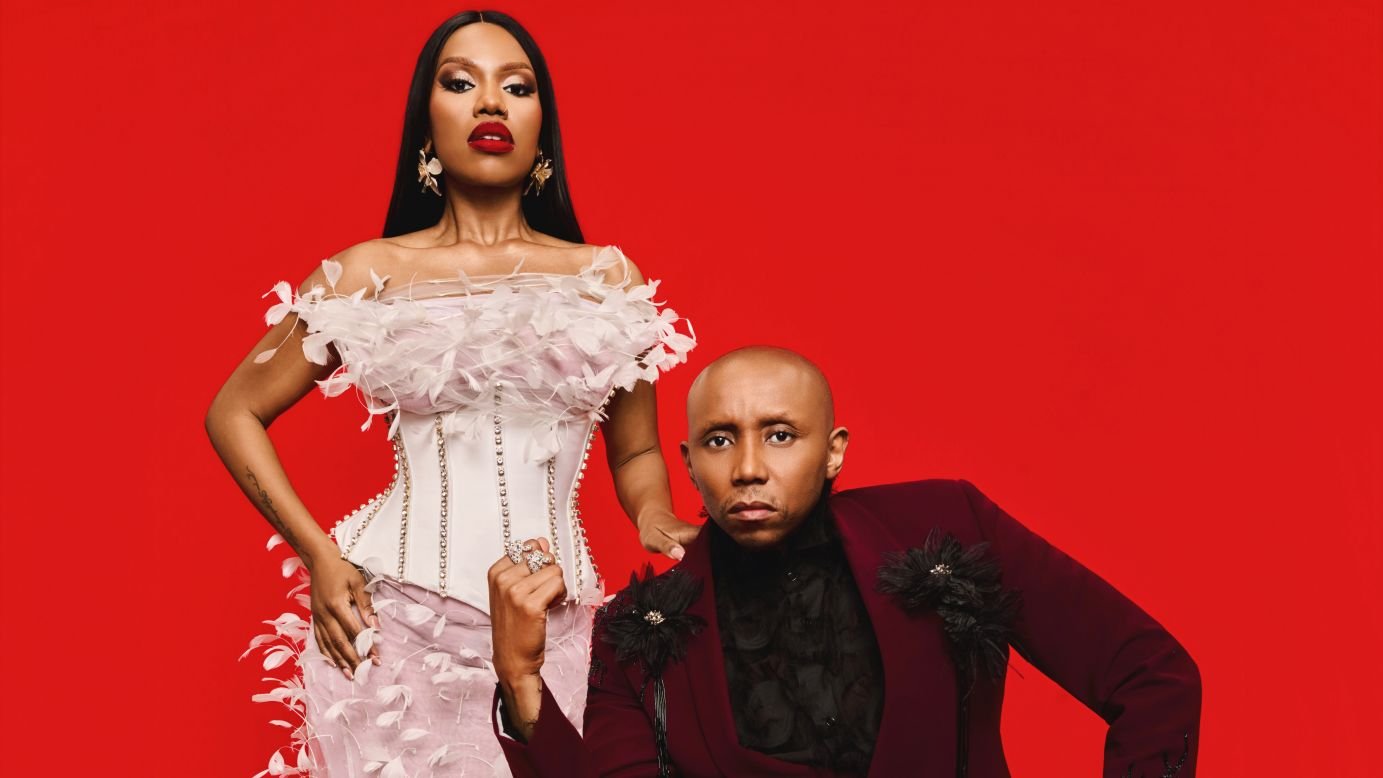
Netflix has produced numerous international hits in recent years, but few have generated the kind of relationship debate sparked by The Polygamist. Originally adapted from Zimbabwean author Sue Nyathi’s acclaimed 2012 novel, the South African drama has evolved from a regional success into a worldwide streaming phenomenon, introducing global audiences to Zulu-language storytelling while encouraging serious discussions about emotional manipulation, trust, and psychological abuse.
At the center of those conversations is Jonasi, portrayed by actor S’dumo Mtshali. Rather than simply being viewed as a fictional character, Jonasi has become a cultural talking point, with viewers across continents analyzing his behavior and comparing it to real-life relationship experiences.
How ‘The Polygamist’ Became a Global Netflix Success
The Polygamist has emerged as one of Netflix’s biggest international non-English television successes, surpassing 23 million views and appearing in the platform’s Top 10 rankings across multiple countries.
The show’s popularity demonstrates the growing global appetite for African storytelling. While audiences may have initially clicked because of the provocative title, many stayed because of its emotionally complex characters and realistic portrayal of psychological manipulation.
Its rapid international growth was largely driven by word of mouth, social media discussions, reaction videos, and viewers recommending the series to friends and family.
What Is ‘The Polygamist’ About?
Based on Sue Nyathi’s novel, the series follows the seemingly successful life of a man who maintains relationships with multiple women while carefully controlling the narratives each of them believes.
Rather than focusing solely on the cultural practice of polygamy, the drama explores:
- Emotional manipulation.
- Infidelity.
- Psychological control.
- Family conflict.
- Trust and betrayal.
- The long-term effects of emotional abuse.
These themes resonate across cultures because they address relationship dynamics that exist in many different societies.
Who Is Jonasi?
Jonasi is portrayed as charming, confident, successful, and deeply persuasive qualities that make him appealing to those around him.
However, beneath that polished exterior lies someone who carefully manipulates the people closest to him, using deception, emotional control, and secrecy to maintain power over multiple relationships.
His ability to present different versions of himself to different people has become one of the defining aspects of the character and a major reason audiences continue discussing him online.
Why Jonasi Has Become So Controversial

Viewers aren’t simply reacting to the character’s actions they’re recognizing behavioral patterns that resemble experiences from their own lives.
Across social media, thousands of viewers have shared stories about relationships involving:
- Gaslighting.
- Repeated dishonesty.
- Manipulation.
- Emotional dependency.
- Control disguised as affection.
- Broken trust.
This personal connection has transformed the series from Entertainment into an ongoing public conversation about relationship Health.
More Than a Story About Polygamy
Despite its title, many viewers and members of the cast argue that the series is not fundamentally about polygamy.
Instead, it examines how manipulation can exist within relationships regardless of their structure.
The distinction has become central to discussions surrounding the show.
| Common Assumption | What the Series Actually Explores |
|---|---|
| Polygamy as the main issue | Emotional abuse and manipulation. |
| Multiple relationships | Power imbalance and deception. |
| Cultural practices | Individual behavior and accountability. |
| Marriage structure | Psychological control. |
This distinction has helped broaden conversations beyond Cultural Traditions toward universal relationship issues.
Why Audiences Around the World Relate to Jonasi
One reason for the show’s international success is that emotional manipulation is not confined to any single country, Culture, or language.
Relationship experts often note that emotionally controlling individuals frequently appear:
- Charming in public.
- Persuasive and confident.
- Supportive when convenient.
- Highly skilled at managing impressions.
Behind closed doors, however, relationships may involve very different dynamics, including intimidation, dishonesty, emotional withdrawal, or psychological control.
Many viewers have identified these familiar patterns while watching Jonasi’s interactions with the women in his life.
How Social Media Turned Jonasi Into a Viral Character
Streaming platforms increasingly rely on social media to amplify audience engagement, and The Polygamist is a textbook example.
Following the show’s release, platforms including Instagram, TikTok, Facebook, X, and YouTube filled with:
- Scene breakdowns.
- Reaction videos.
- Relationship advice.
- Character analyses.
- Memes.
- Personal testimonials.
Instead of simply discussing plot twists, many viewers began comparing Jonasi’s behavior to real-life partners, family members, or acquaintances.
Understanding Emotional Manipulation
The popularity of the series has also encouraged wider conversations about emotional abuse an issue that can be difficult to recognize because it often develops gradually.
Common warning signs discussed by relationship professionals include:
- Persistent lying.
- Manipulating emotions for personal gain.
- Isolating partners from support systems.
- Avoiding accountability.
- Controlling important decisions.
- Repeatedly violating trust.
Experts emphasize that experiencing one or more of these behaviors does not automatically indicate a specific psychological condition. Every relationship is unique, and only qualified mental health professionals can assess an individual’s mental health.
Why Fiction Can Start Important Conversations
One of television’s greatest strengths is its ability to make complex Social Issues more accessible.
When audiences see fictional characters facing situations similar to their own experiences, they often find new ways to understand and discuss those challenges.
In the case of The Polygamist, viewers have used the story as a starting point for conversations about:
- Healthy boundaries.
- Relationship expectations.
- Emotional wellbeing.
- Communication.
- Self-worth.
- Seeking support when relationships become unhealthy.
These discussions have extended far beyond the series itself.
A Milestone for South African Television
The success of The Polygamist represents an important moment for South Africa’s entertainment industry.
For years, South African filmmakers have produced acclaimed television dramas, but international exposure has often remained limited.
Netflix’s global distribution has introduced millions of viewers to local actors, languages, and storytelling traditions that previously received relatively little international attention.
The show’s popularity has also increased interest in other African productions, encouraging viewers to explore more content from the continent.
The Growing Global Appeal of African Stories
Streaming services have fundamentally changed how audiences discover international entertainment.
Today, language barriers are less significant thanks to subtitles and dubbing, allowing compelling stories to reach worldwide audiences regardless of where they are produced.
African television and Cinema have particularly benefited from this shift, with productions increasingly earning recognition for their originality, strong performances, and culturally authentic storytelling.
The Polygamist stands as one of the clearest examples of this growing global trend.
Why the Show Resonates Beyond Entertainment
Unlike many dramas that rely primarily on suspense or action, The Polygamist leaves viewers asking difficult questions about relationships, accountability, and emotional wellbeing.
Its success demonstrates that audiences increasingly value stories that encourage reflection as much as entertainment.
The discussions surrounding Jonasi also highlight a broader cultural shift in which viewers are more willing to openly discuss emotional abuse, manipulation, and mental wellbeing than in previous generations.
What’s Next for ‘The Polygamist’ and African Storytelling?
The international response to The Polygamist could open new opportunities for African writers, actors, producers, and filmmakers seeking global audiences.
As streaming platforms continue investing in diverse international content, successful series like this help demonstrate that powerful storytelling can transcend language and geography.
For viewers, the show’s greatest legacy may not simply be its impressive streaming numbers, but the conversations it has inspired about relationships, emotional health, and recognizing unhealthy patterns. Jonasi has become far more than a television character he has become a symbol in a global discussion about trust, manipulation, and the importance of healthy relationships, proving that the most memorable stories are often the ones that encourage audiences to look beyond the screen and reflect on real life.
For breaking news and live news updates, like us on Facebook or follow us on Twitter and Instagram. Read more on Latest Entertainment on thefoxdaily.com.






COMMENTS 0