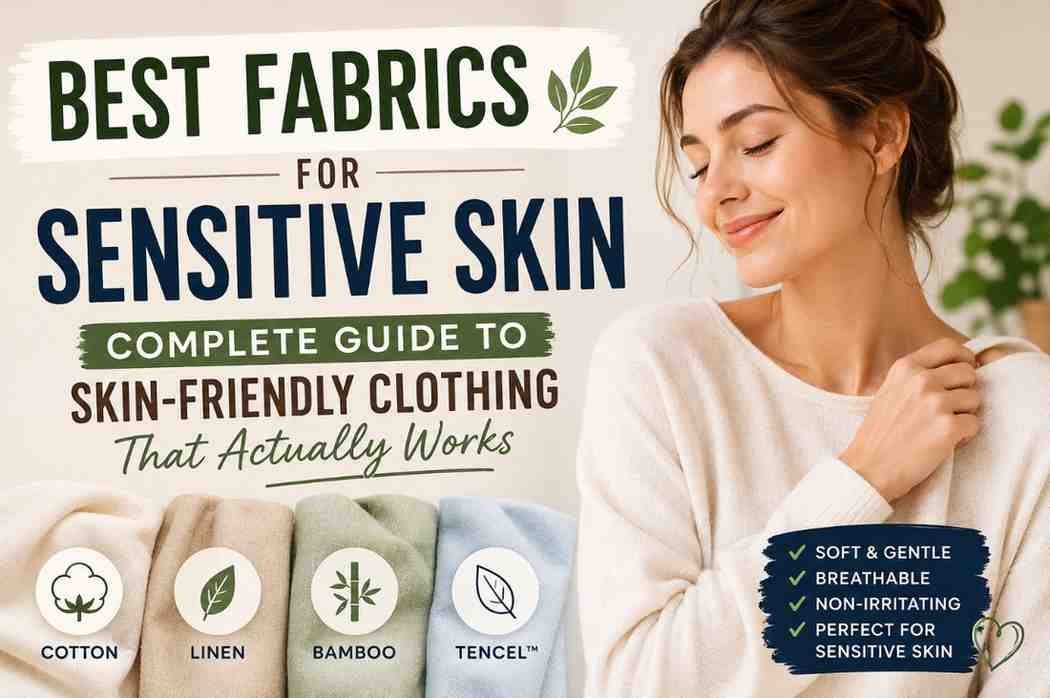
Introduction: Ever worn a shirt that looked great but felt unbearable after a few hours? If your skin reacts with itching, redness, or discomfort, you’re not alone. Millions of people with sensitive skin struggle to find clothing that doesn’t trigger irritation. But what exactly causes this—and more importantly, how can you fix it?
This guide answers the essential questions: who is affected (anyone with reactive or delicate skin), what fabrics are best and worst, when irritation occurs (often after prolonged wear or sweating), where it impacts (skin-contact areas like neck, waist, and arms), why fabrics cause reactions (friction, heat, chemicals), and how to build a wardrobe that supports your skin—not fights it.
If you’re looking for the best fabrics for sensitive skin, this article goes far beyond basics—giving you expert insights, comparisons, and practical strategies to make smarter clothing choices.
What Makes Skin Sensitive to Fabric?
Sensitive skin doesn’t just “react randomly.” There are clear triggers hidden in your clothing:
- Friction: Rough textures rub against skin, causing irritation over time
- Heat retention: Poorly breathable fabrics trap sweat and increase inflammation
- Chemical treatments: Dyes, finishes, and preservatives can trigger reactions
- Moisture buildup: Damp environments encourage bacteria and discomfort
Insight: Most people blame detergents, but in reality, the fabric composition itself is often the bigger culprit.
Best Fabrics for Sensitive Skin (Top Choices)
1. Cotton (The Gold Standard)
Cotton is widely considered the best fabric for sensitive skin due to its softness, breathability, and natural origin.
- Allows air circulation
- Absorbs moisture effectively
- Reduces friction
- Ideal for daily wear and undergarments
Pro Tip: Organic cotton is even better, as it minimizes chemical exposure.
2. Linen (Cooling and Lightweight)
Made from flax fibers, linen is perfect for hot climates and sensitive skin.
- Highly breathable
- Naturally hypoallergenic
- Durable and long-lasting
Unique Angle: Linen actually gets softer with each wash—unlike many fabrics that worsen over time.
3. Hemp (The Sustainable Performer)
Hemp is gaining popularity for both environmental and skin-friendly reasons.
- Antimicrobial properties
- Excellent moisture control
- Strong and long-lasting
Though slightly rough at first, it softens significantly after repeated washing.
4. Silk (Luxury Meets Skin Care)
Silk offers a smooth, friction-free surface that feels gentle on even highly reactive skin.
- Temperature regulating
- Soft and non-abrasive
- Reduces irritation and redness
Best Use: Pillowcases, innerwear, and sleepwear.
5. Bamboo Viscose (Soft but Processed)
Bamboo fabric is often marketed as natural, but it’s technically semi-synthetic.
- Very soft and breathable
- Moisture-wicking
- Comfortable for long wear
Important Insight: While comfortable, bamboo undergoes chemical processing—so it’s not purely natural.
Fabrics to Avoid for Sensitive Skin
1. Polyester
One of the most common synthetic fabrics, polyester can trap heat and irritate the skin.
2. Nylon
Often used in activewear, nylon lacks breathability and may cause sweating and discomfort.
3. Acrylic
This wool alternative can feel scratchy and irritating, especially during prolonged wear.
4. Wool (with Exceptions)
Traditional wool can be itchy, though finer versions like merino may be tolerable.
5. Spandex Blends
Stretchy materials can increase friction and trap heat when worn tightly.
Natural vs Synthetic Fabrics: A Clear Comparison
| Feature | Natural Fabrics | Synthetic Fabrics |
|---|---|---|
| Breathability | High | Low to moderate |
| Skin Irritation Risk | Low | Higher |
| Moisture Control | Excellent | Poor |
| Environmental Impact | Eco-friendly | Polluting |
Hidden Causes of Fabric Irritation (Most People Miss This)
Chemical Finishes
Many garments are treated with chemicals to prevent wrinkles or shrinkage.
Unwashed New Clothes
New clothing often carries residues from manufacturing and storage.
Seams, Tags, and Stitching
Even the best fabric can irritate if poorly constructed.
Quick Fix: Always wash new clothes and remove tags before wearing.
How to Choose the Right Fabric (Expert Checklist)
- Look for at least 50–100% natural fibers
- Choose loose-fitting clothing
- Avoid heavily dyed or chemically treated fabrics
- Check labels carefully before buying
- Test fabric against your skin before purchase
Best Fabrics for Skin Conditions (Eczema, Psoriasis, Acne)
For Eczema
- Cotton and silk are best
- Avoid wool and synthetics
For Psoriasis
- Soft, breathable fabrics reduce flare-ups
- Avoid tight or rough materials
For Acne-Prone Skin
- Use breathable fabrics to reduce sweat buildup
- Choose moisture-wicking materials
Unique Insight: Fabric Is Skincare You Wear
We often spend money on skincare products but ignore the one thing touching our skin all day—our clothes.
Your fabric choices can either support your skin barrier—or slowly damage it.
This perspective shifts clothing from a fashion decision to a health investment.
Real-World Impact: Why This Matters More Than You Think
Choosing the wrong fabric can lead to:
- Chronic irritation
- Sleep disturbances
- Reduced confidence
- Worsening skin conditions
On the other hand, the right fabric improves comfort, skin health, and overall quality of life.
Future Trend: Smart and Skin-Friendly Textiles
Prediction: The future of clothing will include fabrics designed specifically for skin health—featuring antimicrobial properties, temperature control, and even embedded skincare benefits.
As awareness grows, consumers will demand transparency about fabric composition and chemical treatments.
Conclusion
Finding the best fabrics for sensitive skin is not just about comfort—it’s about protecting your body’s largest organ.
Natural fabrics like cotton, linen, hemp, and silk consistently outperform synthetic alternatives when it comes to breathability, softness, and safety.
By understanding what triggers irritation and making informed choices, you can transform your wardrobe into a skin-friendly environment.
Final Thought: If your clothes don’t feel good, they’re not worth wearing—no matter how good they look.
For breaking news and live news updates, like us on Facebook or follow us on Twitter and Instagram. Read more on Latest Health on thefoxdaily.com.

COMMENTS 0