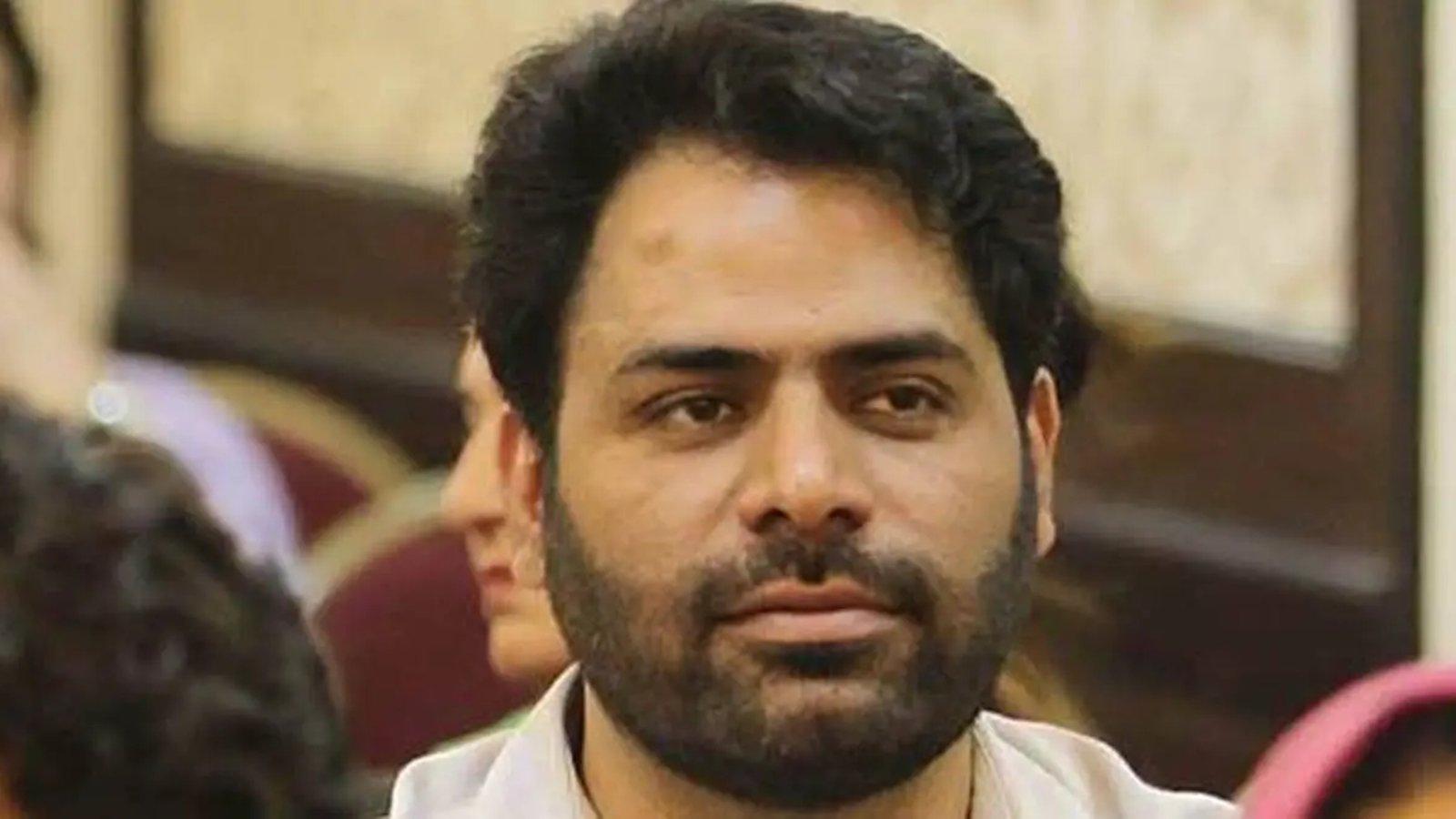
A significant development has emerged in one of India‘s closely watched National Security and Human Rights cases, with a Delhi Court granting bail to Kashmiri human rights activist Khurram Parvez in the remaining Unlawful Activities (Prevention) Act (UAPA) case pending against him. The order marks another important stage in lengthy legal proceedings that have kept Parvez in custody for several years.
The latest decision comes weeks after the Delhi High Court granted him bail in a separate National Investigation Agency (NIA) terror conspiracy case, citing prolonged incarceration, the slow pace of trial proceedings and humanitarian considerations. With bail now granted in the second case as well, Parvez’s release is expected to proceed subject to compliance with all court-imposed conditions and any other applicable legal requirements.
Who Is Khurram Parvez?
Khurram Parvez is a well-known Kashmiri human rights activist WHO has worked for many years documenting issues related to civil liberties and conflict in Jammu and Kashmir. His work has attracted attention from both domestic and international human rights organizations.
In recent years, however, he has also been the subject of investigations by India’s National Investigation Agency (NIA), which has alleged his involvement in activities prohibited under anti-terrorism laws. Parvez has consistently contested the allegations through legal proceedings.
What Did the Delhi Court Decide?
On Saturday, the Patiala House Court in New Delhi granted bail to Khurram Parvez in the remaining UAPA case pending against him.
The order was passed by Sessions Judge Pitamber Dutt. While the court announced its decision to grant bail, a detailed written order outlining the legal reasoning and conditions attached to the relief is awaited.
The latest ruling means that Parvez has now secured bail in both NIA cases in which he had been in custody.
Background of the Cases
The legal proceedings against Parvez involve two separate cases investigated by the National Investigation Agency under provisions of the Unlawful Activities (Prevention) Act (UAPA).
The first case involved allegations of terror conspiracy and other offences under India’s anti-terror legislation.
While already in custody in connection with that matter, Parvez was formally arrested in a second NIA case in 2023, resulting in his continued detention despite subsequent legal developments in the first case.
The latest bail order addresses the remaining pending case, significantly altering his legal status.
Earlier Delhi High Court Bail Order
The latest decision follows an important judgment delivered by the Delhi High Court on June 10, which granted bail to Parvez in another UAPA case investigated by the NIA.
The High Court observed several factors while granting relief, including:
- The prolonged period already spent in custody.
- The slow progress of the criminal trial.
- His physical disability.
- The constitutional importance of balancing personal liberty with criminal prosecution.
Although the UAPA contains stringent provisions governing bail, the High Court concluded that the exceptional circumstances of the case justified granting relief.
Understanding the UAPA
The Unlawful Activities (Prevention) Act, 1967, commonly known as the UAPA, is India’s principal anti-terrorism legislation.
The law provides investigative agencies with powers to investigate offences involving terrorism, terrorist organizations, terror financing and activities considered threats to national security.
Unlike ordinary criminal cases, obtaining bail under the UAPA is generally more difficult because courts must consider additional statutory restrictions before granting relief.
Why Bail Under UAPA Is Considered Difficult
Section 43D(5) of the UAPA imposes stricter standards for granting bail compared to regular criminal law.
Courts typically examine whether the prosecution’s allegations appear to establish a prima facie case before deciding whether bail should be granted.
However, higher courts have also recognized that constitutional protections relating to personal liberty, fair trial rights and prolonged incarceration remain relevant, particularly where trials take an unusually long time to conclude.
Balancing National Security and Personal Liberty
Cases prosecuted under anti-terror laws often involve competing legal principles.
On one hand, the State seeks to investigate allegations involving national security and terrorism. On the other hand, courts must safeguard constitutional guarantees, including the right to a fair trial and protection against indefinite pre-trial detention.
Indian courts have repeatedly emphasized that bail decisions must be based on the specific facts of each case, taking into account statutory provisions, available evidence and constitutional principles.
Timeline of the Legal Proceedings
| Event | Development |
|---|---|
| Initial arrest | Khurram Parvez taken into custody in an NIA investigation. |
| Second case | Formally arrested in another NIA case while already in judicial custody in 2023. |
| June 10, 2026 | Delhi High Court granted bail in one UAPA case. |
| Latest development | Delhi Sessions Court granted bail in the remaining UAPA case. |
What Happens After Bail Is Granted?
Granting bail does not amount to an acquittal or a finding that the accused is innocent. Instead, it allows an accused person to remain out of custody while the criminal proceedings continue, subject to conditions imposed by the court.
Typical bail conditions may include:
- Execution of bail bonds.
- Appearance before the court as required.
- Restrictions on influencing witnesses.
- Compliance with any travel or reporting conditions.
- Cooperation with ongoing legal proceedings.
The specific conditions applicable in Parvez’s case will become clear once the detailed judicial order is made available.
Why the Case Has Drawn Public Attention
The proceedings involving Khurram Parvez have attracted significant attention because they sit at the intersection of national security, human rights, Constitutional Law and criminal justice.
Supporters have argued that prolonged pre-trial detention raises important questions about due process and personal liberty, while investigative agencies maintain that anti-terror investigations require rigorous legal scrutiny and careful examination of evidence.
The courts continue to evaluate these issues independently through established judicial procedures.
Broader Legal Significance
The latest bail order contributes to the evolving judicial discussion on prolonged incarceration in cases involving special criminal statutes such as the UAPA.
Recent judgments from higher courts have increasingly examined whether extended periods of detention before the conclusion of trial can, in exceptional circumstances, justify the grant of bail even where statutory restrictions are stringent.
Legal experts note that such decisions are generally based on the unique facts of individual cases and should not automatically be interpreted as creating a universal rule for all UAPA prosecutions.
Future Outlook
With bail now granted in both pending UAPA cases, attention is expected to shift toward the next stages of the judicial process. The criminal trials themselves will continue, and the prosecution will have the opportunity to present its evidence before the trial court. The defence will similarly have the opportunity to challenge the allegations through the legal process.
The detailed order from the Sessions Court will also provide greater clarity on the reasoning behind the latest bail decision and the conditions governing Parvez’s release.
Conclusion
The Delhi court’s decision to grant bail to Khurram Parvez in the remaining UAPA case marks an important milestone in a legal battle that has continued for several years. Coming after the Delhi High Court’s earlier order granting bail in a separate case, the latest ruling potentially clears the final legal hurdle to his release from custody, subject to compliance with court-imposed conditions.
While the criminal proceedings remain ongoing and the allegations against him are yet to be adjudicated at trial, the case continues to highlight the complex legal balance between national security concerns, procedural fairness and the constitutional protection of personal liberty under India’s criminal justice system.
For breaking news and live news updates, like us on Facebook or follow us on Twitter and Instagram. Read more on Latest India on thefoxdaily.com.





COMMENTS 0