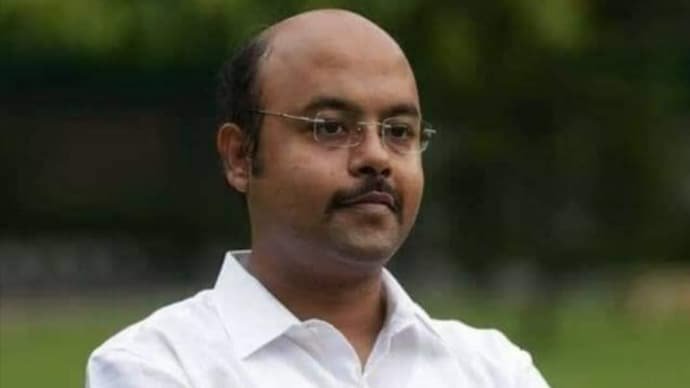
Karnataka is preparing for a new political chapter as chief minister-designate DK Shivakumar gets ready to take oath on June 3 along with the first batch of ministers in his government. While cabinet formation is a routine constitutional exercise, this particular ministry carries significance far beyond the allocation of portfolios.
The likely induction of Yathindra Siddaramaiah, son of veteran Congress leader Siddaramaiah, and the expected appointment of senior Dalit leader G Parameshwara as the sole Deputy Chief Minister reveal how the Congress is attempting to manage competing political interests while positioning itself for the next phase of Governance in Karnataka.
The decisions being taken today will influence not only the stability of the new government but also the future leadership structure of the Congress in Karnataka over the next decade.
Who Is Taking Oath in the First Phase?
According to sources, DK Shivakumar will initially take oath with a relatively small cabinet consisting of 13 ministers. The first phase is expected to include several senior leaders representing different regions, communities and political factions within the party.
The names reportedly finalised include Yathindra Siddaramaiah, G Parameshwara, KH Muniyappa, U T Khader, KJ George, Krishna Byre Gowda, MB Patil, Priyank Kharge, Satish Jarkiholi, Ramalinga Reddy, Dinesh Gundu Rao, Byrati Suresh and Eshwar Khandre.
The Karnataka Council of Ministers can have a maximum strength of 34 members, including the Chief Minister. This means the first swearing-in represents only the beginning of a larger cabinet formation process.
Why Yathindra Siddaramaiah’s Entry Is Politically Significant
The likely induction of Yathindra Siddaramaiah is attracting attention because it reflects a broader transition taking place within Karnataka Congress politics.
For decades, Siddaramaiah has been one of the most influential leaders in Karnataka, building a strong political base among backward classes, rural voters and welfare-focused constituencies. His influence remains significant even after stepping away from frontline executive responsibilities.
Yathindra’s elevation can be viewed through three important lenses:
- Generational leadership transition within the Congress
- Continuation of Siddaramaiah’s political legacy
- Strengthening the party’s social coalition among key voter groups
Political succession is not unique to Karnataka. Across India, parties frequently promote second-generation leaders to ensure continuity of influence and voter trust. The Congress appears to be following a similar strategy by giving Yathindra a larger role in state governance.
Supporters argue that Yathindra has built his own political identity through grassroots engagement and legislative experience. Critics, however, may view the move as another example of dynastic politics, a debate that continues to shape Indian electoral discourse.
Why G Parameshwara May Become the Sole Deputy Chief Minister
Perhaps the most strategically important decision is the likely appointment of G Parameshwara as the only Deputy Chief Minister.
Parameshwara is among Karnataka’s most experienced Congress leaders and has long been regarded as one of the party’s strongest Dalit faces. His elevation serves multiple political objectives simultaneously.
First, it ensures representation for Scheduled Castes at the highest level of government.
Second, it provides administrative experience to the new ministry. Parameshwara has served in multiple senior positions and is considered a seasoned organisational leader.
Third, it helps the Congress consolidate social groups that have become increasingly important in Karnataka’s evolving electoral landscape.
The decision to have only one Deputy Chief Minister also suggests that the Congress wants to avoid creating multiple competing power centres inside the government.
The Mathematics of Karnataka Cabinet Formation
Cabinet formation in India is often described as political arithmetic, and Karnataka is no exception.
Every ministerial berth must balance multiple variables:
- Caste representation
- Regional representation
- Factional balance
- Experience versus youth
- Electoral performance
- Gender representation
The challenge becomes even more complex because Karnataka’s political landscape is highly diverse.
| Factor | Why It Matters | Impact on Cabinet Formation |
|---|---|---|
| Caste Balance | Major voting blocs influence elections | Determines representation across communities |
| Regional Balance | Different regions have unique political priorities | Ensures statewide support |
| Experience | Governance requires administrative capability | Senior leaders often get key portfolios |
| Youth Representation | Signals future leadership development | Helps party renewal |
| Women Representation | Promotes inclusive governance | Increasingly important in modern politics |
The Congress leadership appears to be carefully calibrating these factors before announcing the final ministry.
DK Shivakumar’s Biggest Challenge Begins After the Oath
Winning power is often easier than managing it.
For DK Shivakumar, the swearing-in ceremony marks the beginning of a much more difficult phase.
The Congress faces high expectations on infrastructure, investment, employment generation, urban development, water management and welfare delivery. Karnataka remains one of India’s most economically significant states, contributing substantially to the country’s technology exports, startup ecosystem and industrial growth.
Any new government must balance welfare commitments with fiscal discipline while ensuring economic growth remains strong.
This challenge becomes particularly important because Karnataka competes with states such as Maharashtra, Tamil Nadu, Gujarat and Telangana for investments and business expansion.
The Congress High Command’s Role in Cabinet Formation
The extensive consultations held in New Delhi underline how closely the national leadership is monitoring developments in Karnataka.
Meetings involving Mallikarjun Kharge, Rahul Gandhi, KC Venugopal and Randeep Surjewala highlight the state’s strategic importance for the Congress.
Karnataka remains one of the party’s most important political strongholds. The performance of the Shivakumar government will influence the Congress’s national narrative and its ability to present a governance model ahead of future elections.
The leadership therefore appears focused on preventing factional disputes while ensuring that influential leaders remain invested in the government’s success.
What Happens to Siddaramaiah Now?
An interesting aspect of current discussions is Siddaramaiah’s future role.
Even though DK Shivakumar will lead the government, Siddaramaiah continues to command enormous respect within the party and among large sections of voters.
Reports suggest the Congress may establish a coordination mechanism headed by Siddaramaiah to ensure smoother interaction between the party organisation and the government.
Such an arrangement would allow the veteran leader to continue shaping policy and strategy while providing guidance to the next generation of Congress leadership.
In many ways, Karnataka may be witnessing a transition from a Siddaramaiah-centric era to a broader leadership structure where multiple senior leaders share responsibility.
The Battle for Representation Is Not Over Yet
One reason the cabinet is being formed in phases is because several unresolved issues remain.
Questions surrounding women’s representation, regional inclusion and additional ministerial appointments continue to be debated.
The reported competition between Lakshmi Hebbalkar and Roopakala for a ministerial berth reflects the difficult choices confronting the party leadership.
Similarly, discussions regarding other influential leaders indicate that the final shape of the ministry may continue evolving over the coming weeks.
Historical Perspective: Karnataka’s Tradition of Coalition Building Within Parties
Karnataka’s political History demonstrates that successful governments often depend on managing internal coalitions as effectively as external opposition.
Whether under Congress, BJP or Janata Dal-led administrations, leaders have had to balance competing regional, caste and organisational interests.
The most durable governments have generally been those capable of accommodating diverse stakeholders while maintaining a clear administrative agenda.
The Shivakumar ministry now faces the same test.
What This Means for Karnataka’s Future
The new cabinet represents more than a distribution of portfolios. It is a signal about the direction the Congress intends to take in Karnataka.
The likely inclusion of Yathindra Siddaramaiah points toward generational renewal. The elevation of Parameshwara reinforces social representation. The retention of experienced leaders ensures administrative continuity.
Together, these decisions suggest the Congress is attempting to blend experience, representation and political succession into a single governance framework.
Conclusion
As DK Shivakumar prepares to take oath as Karnataka’s Chief Minister, the composition of his first cabinet reveals the careful calculations behind modern Indian Politics. The expected induction of Yathindra Siddaramaiah and the likely appointment of G Parameshwara as the sole Deputy Chief Minister are not merely personnel decisions they are strategic moves aimed at ensuring stability, social balance and long-term political continuity.
The success of the new government, however, will ultimately depend not on who takes oath, but on whether the administration can translate political management into effective governance. For Karnataka, one of India’s most economically dynamic states, that challenge begins the moment the swearing-in ceremony ends.
For breaking news and live news updates, like us on Facebook or follow us on Twitter and Instagram. Read more on Latest India on thefoxdaily.com.






COMMENTS 0