- Introduction: When One Remark Triggers a National Conversation
- What Exactly Sparked the Row?
- The Political Context: Women’s Reservation Bill Fallout
- Why the Remark Hit So Hard
- Political Reactions: Rare Unity Across Parties
- India’s Gender Gap in Politics: The Bigger Picture
- Comparison: Perception vs Reality
- New Insight: The “Narrative Trap” in Indian Politics
- Real-World Impact: Beyond Headlines
- What This Means for Indian Politics Going Forward
- Conclusion: More Than a Controversy
Introduction: When One Remark Triggers a National Conversation
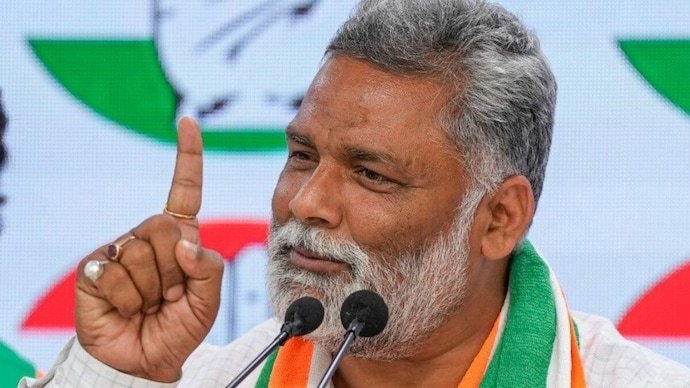
What began as a single statement has quickly spiraled into a full-blown political and social Controversy. Independent MP Pappu Yadav has come under intense scrutiny after making a remark suggesting that most women in India cannot enter politics without compromising their dignity.
The timing couldn’t have been more sensitive. The comment came just as the women’s reservation bill failed to pass in Parliament, reigniting discussions about representation, power structures, and gender inequality in Indian Politics.
But this controversy is about more than one politician’s words. It has opened up a deeper question: How accessible is politics for women in India today?
What Exactly Sparked the Row?
The controversy erupted after Pappu Yadav made a statement implying that a large majority of women entering politics must rely on inappropriate means to progress. The remark was widely interpreted as deeply sexist and dismissive of the efforts of countless women leaders.
Within hours:
- The Bihar State Women Commission issued a formal notice
- Political leaders across party lines condemned the statement
- Social media erupted with criticism and calls for accountability
Instead of calming the situation, the MP’s response added fuel to the fire, turning a controversial comment into a full-scale political flashpoint.
The Political Context: Women’s Reservation Bill Fallout
This controversy did not occur in isolation. It unfolded against the backdrop of a major legislative setback.
The women’s reservation bill aimed at increasing female representation in Parliament failed to secure the required two-thirds majority. Despite significant support, it fell short of the numbers needed to amend the Constitution.
This failure is crucial because:
- It highlights the structural challenges women face in politics
- It reflects political divisions on gender representation
- It amplifies the sensitivity around any gender-related remarks
In this charged Environment, Yadav’s statement struck a nerve that was already exposed.
Why the Remark Hit So Hard
Public outrage wasn’t just about the language it was about what the statement implied.
1. Dismissal of Merit
The comment undermines the achievements of women who have built political careers through hard work, Education, and grassroots engagement.
2. Reinforcement of Stereotypes
It feeds into long-standing stereotypes that question women’s legitimacy in Leadership roles.
3. Normalization of Misconduct
Perhaps most troublingly, it risks normalizing the idea that exploitation is an unavoidable part of the system.
These are not minor issues they go to the heart of gender equality.
Political Reactions: Rare Unity Across Parties
In an otherwise polarized political climate, reactions to the remark showed unusual alignment.
- Opposition leaders demanded an apology and accountability
- Ruling party representatives criticized the mindset behind the statement
- Women leaders across parties shared personal experiences to counter the narrative
This bipartisan criticism suggests that certain lines, once crossed, trigger a collective response at least publicly.
India’s Gender Gap in Politics: The Bigger Picture
To understand why this issue resonates so strongly, it’s important to look at the broader reality.
Women remain underrepresented in Indian politics despite making up nearly half the population.
| Factor | Current Situation | Impact |
|---|---|---|
| Representation | Relatively low in Parliament | Limited policy influence |
| Entry Barriers | High | Fewer women candidates |
| Social Norms | Male-dominated structures | Discourages participation |
| Safety Concerns | Persistent | Restricts mobility and engagement |
This structural imbalance explains why comments like these resonate far beyond the individual who made them.
Comparison: Perception vs Reality
| Perception | Reality |
|---|---|
| Women rely on connections or compromise | Many rise through grassroots work and elections |
| Politics is inherently male-dominated | Increasing but slow female participation |
| Leadership opportunities are equal | Systemic barriers still exist |
This gap between perception and reality is where much of the Conflict lies.
New Insight: The “Narrative Trap” in Indian Politics
Here’s a perspective often overlooked controversies like this don’t just reflect individual opinions; they shape public narratives.
When influential figures make sweeping statements:
#WATCH | Purnea, Bihar: Independent MP Pappu Yadav says, “…In India, women are called goddesses, but they will never be respected here. System and society are responsible for this…90% of women cannot do politics without entering the room of politicians…”
(20.04.2026) pic.twitter.com/WyHY4ZitUJ
— ANI (@ANI) April 21, 2026
- They reinforce biases already present in society
- They influence how young aspirants view politics
- They shift focus away from systemic reform to personal controversy
This creates what can be called a “narrative trap” where the conversation becomes about outrage rather than solutions.
Ironically, while such remarks spark debate, they can also slow meaningful progress by polarizing discussions.
Real-World Impact: Beyond Headlines
The consequences of this controversy extend beyond political statements and TV debates.
- Aspiring women leaders may feel discouraged or disillusioned
- Public trust in political institutions may erode further
- Policy discussions on gender equality risk being overshadowed
In short, words spoken in a moment can have lasting ripple effects.
What This Means for Indian Politics Going Forward
This incident highlights a critical crossroads for Indian politics.
Key takeaways include:
- The urgent need for stronger accountability in public discourse
- The importance of addressing structural barriers for women
- The growing role of public opinion in shaping political narratives
It also underscores a deeper truth: representation is not just about numbers it’s about respect, perception, and opportunity.
Conclusion: More Than a Controversy
The Pappu Yadav controversy is not just about one remark it’s about what that remark reveals.
It exposes the tensions between progress and prejudice, between representation and reality, and between rhetoric and reform.
India’s political future will depend not only on who gets elected, but on how inclusive and respectful the system becomes.
As debates continue, one thing is clear: the conversation around women in politics is far from over and perhaps, that’s exactly what this moment demands.
For breaking news and live news updates, like us on Facebook or follow us on Twitter and Instagram. Read more on Latest India on thefoxdaily.com.






COMMENTS 0