The Rashtriya Swayamsevak Sangh (RSS) has adopted a measured response to the Opposition’s ongoing protests against the government and Chief Election Commissioner Gyanesh Kumar over alleged electoral irregularities. RSS leaders have reiterated that citizens have the democratic right to question the government and raise issues of national concern, while stressing that protests should remain aligned with national interests.
The organisation’s position comes as INDIA bloc parties intensify their campaign over alleged irregularities in the electoral process and demand Kumar’s resignation. Rather than directly criticising the demonstrations, RSS functionaries have emphasised dialogue, public engagement and the need to prevent protests from being misused by forces they believe could work against the country.
The response also reflects the organisation’s concern about growing dissatisfaction among young people and the possibility that public discontent could develop into a wider political challenge for the government.
RSS Says Citizens Have the Right to Question the Government
Senior RSS functionaries have maintained that citizens must be allowed to raise concerns about issues affecting the country. However, they have also argued that demonstrations should not become platforms for activities that undermine national interests.
A senior RSS functionary said the organisation believes in dialogue and does not want young people to view the government as an adversary.
“The Sangh believes in dialogue. For years the Sangh was politically and socially victimised, but we did not stop engagement with society,” the functionary said.
The functionary added that concerns raised by particular groups or states may require attention, but society also has a responsibility to prevent vested interests from misleading young people.
The comments indicate that the RSS wants the government to remain accountable while encouraging public engagement through dialogue rather than allowing disagreements to deepen into wider hostility.
Sunil Ambekar Emphasises National Interest During Protests
RSS chief spokesperson Sunil Ambekar reiterated the organisation’s position while responding to a question about whether its outreach to Gen Z had come too late.
Ambekar said citizens have every right to question matters of national concern but stressed that the broader interests of the country should remain central to any protest or movement.
“Citizens have every right to question, if the issues are of national concern…It has to be kept in mind whether a protest or movement is in the country’s interests and will take the country forward. Everyone has to ensure that movements are not misused and that forces working against the country do not enter them,” Ambekar said.
He also said the RSS keeps track of such developments and would continue monitoring events surrounding public movements.
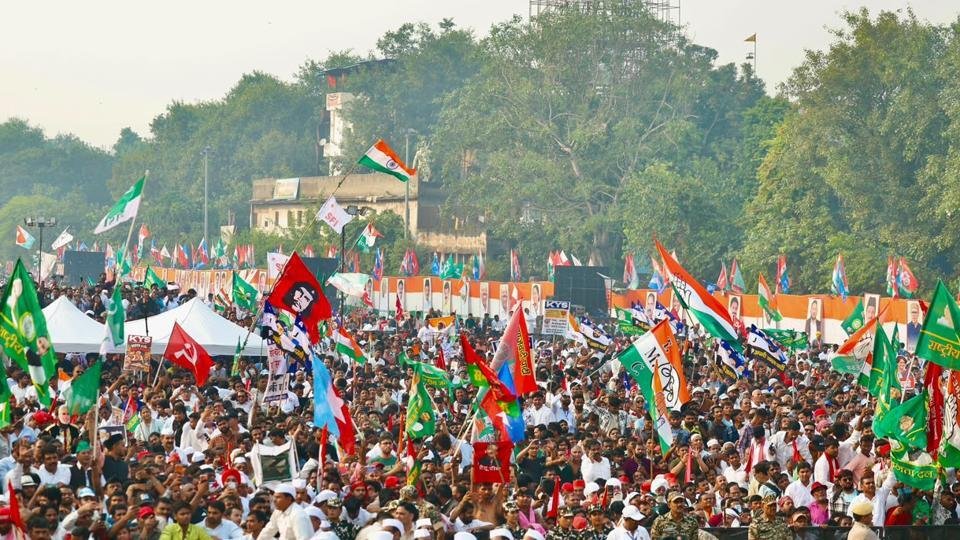
The remarks came a day before the Opposition’s November 1 rally at Delhi’s Ramlila Maidan, as the RSS was holding its annual Akhil Bharatiya Karyakari Mandal Baithak in Indore.
Why the RSS Is Concerned About Youth Discontent
The RSS’s cautious response follows internal feedback about the Union government’s handling of student protests over alleged examination paper leaks in July.
During the demonstrations, students attempted to march towards Parliament on July 20. Police were accused of using disproportionate force to disperse the protesters, giving Opposition parties an opportunity to criticise the government both inside and outside Parliament.
The episode appears to have contributed to concerns within the organisation about how public dissatisfaction, particularly among young people, is being handled.
With assembly elections approaching in five states, including Uttar Pradesh and Punjab, the RSS is also keen to prevent youth discontent from developing into a broader political movement.
RSS Maintains Distance From BJP’s Strong Criticism of Opposition Rally
The RSS has not issued a direct comment on the November 1 Opposition rally at Ramlila Maidan. Its position has nevertheless differed in tone from the BJP’s strong criticism of the gathering.
The BJP described the Opposition’s campaign as a “calculated conspiracy to plunge the nation into anarchy, in the name of democracy”. The RSS, meanwhile, has focused on citizens’ right to raise concerns while warning against the alleged misuse of public movements.
The distinction is significant because the RSS is widely regarded as the ideological parent of the ruling Bharatiya Janata Party (BJP). Its emphasis on dialogue and democratic rights provides a more measured response to the protests than the language used by the ruling party.
Mohan Bhagwat’s Earlier Remarks on Agitations and National Development
RSS chief Mohan Bhagwat had also addressed the role of protests and public movements in his annual Vijayadashami speech last month.
Bhagwat argued that agitations alone do not bring about meaningful change and that solutions to problems often emerge from within society. He also warned about what he described as forces in the West seeking to derail India’s path towards becoming a developed nation.
“A storm has swept in from the West, driven by a demonic resolve to destroy and devastate all that is decent, auspicious, and rooted in cultural and human values, both in Bharat and across the world. Even the so-called developed nations across the world are afflicted by this storm and find themselves helpless before it…” he said.
His remarks reflect the organisation’s broader emphasis on social participation, cultural values and national development while addressing disagreements and public concerns.
What Triggered the Protests Against Chief Election Commissioner Gyanesh Kumar?
The ongoing demonstrations are part of a series of developments that have increased pressure on Chief Election Commissioner Gyanesh Kumar.
The protests followed an investigation by The Indian Express that reported disagreements within the Election Commission of India (ECI). According to the investigation, election commissioners SS Sandhu and Vivek Joshi recorded written dissents and objections at least 14 times between November 2025 and August 2026. They also reportedly wrote to the cabinet secretary.
The investigation further alleged that election officials had their access to ECI software restricted by the central IT team.
The Election Commission responded that differing views and observations were a normal part of institutional deliberations. It also maintained that all its digital platforms operated under strict data security protocols.
The dispute has become a central issue in the Opposition’s campaign, with INDIA bloc leaders demanding Kumar’s removal and the scrapping of the controversial Special Intensive Revision (SIR) exercise.
Opposition Protests Face Security Restrictions in Delhi
The demonstrations have drawn thousands of people onto the streets, with protesters facing several restrictions in the national capital.
Metro closures, internet shutdowns and prohibitory orders were among the measures reported during the protests. Around 40,000 security personnel were deployed, turning parts of Delhi into a heavily secured zone.
The handling of demonstrators also became controversial after several protesters were reportedly dragged, manhandled and detained by security personnel.
While Opposition parties have demanded Kumar’s resignation and changes to the electoral process, the BJP has accused them of attempting to destabilise constitutional institutions and divert attention from their own political and electoral setbacks.
Why the RSS’s Response Matters
The RSS’s response highlights the challenge of balancing public dissent, government accountability and concerns about national interest. Its leaders have acknowledged citizens’ right to question authorities while arguing that protests should not be used to promote activities they consider harmful to the country.
With electoral disputes continuing and assembly elections approaching in several states, the organisation’s emphasis on dialogue and engagement suggests it wants public concerns to be addressed without allowing dissatisfaction among young people to grow further.
The wider debate over the Election Commission, electoral transparency and the right to protest is likely to remain politically significant as the Opposition continues its campaign and the government faces demands for accountability.
For breaking news and live news updates, like us on Facebook or follow us on Twitter and Instagram. Read more on Latest India on thefoxdaily.com.




COMMENTS 0