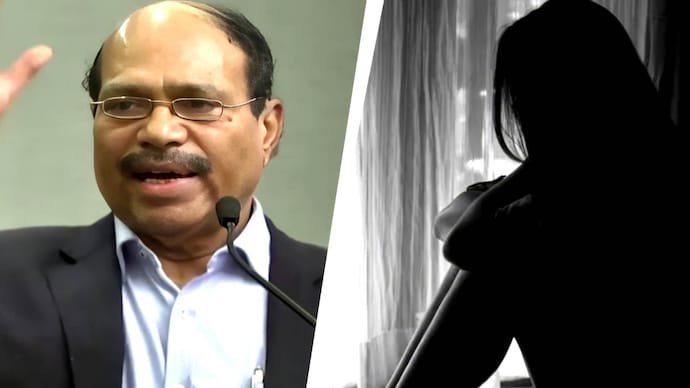
The Madras High Court has restrained media organisations and Social Media platforms from publishing or circulating videos connected with the case involving Chennai-based industrialist Gem Veeramani and alleged sexual offences against minor girls, placing the privacy and safety of the victims at the centre of the proceedings.
The order was passed by Justice V Lakshminarayanan while hearing a petition filed by the Thulir Foundation, which sought action over the publication of videos showing one of the minor victims. The court’s intervention comes as police continue a further investigation into the case and separately examine how videos involving the victims were leaked and subsequently circulated.
While acknowledging the importance of freedom of speech and expression and the media’s right to report on crime, the judge cautioned Television channels and other media outlets against turning the proceedings into a media trial. He urged journalists and broadcasters to show sensitivity when reporting a case involving minor victims.
In a pointed observation during the hearing, Justice Lakshminarayanan said there was “something more in life than the TRP Rating”, stressing that the pursuit of audience attention could not come at the expense of victims’ privacy and safety.
Madras High Court Puts Victims’ Privacy at the Centre
The central issue before the High Court was not whether the media could report on the allegations, but whether videos revealing or depicting minor victims should be published and circulated while the investigation is underway.
The Thulir Foundation approached the court after videos showing minor victims were reportedly published by some media organisations. The petitioner argued that the circulation of such material could expose the children to further harm and compromise their privacy.
The foundation also told the court that it had approached the police seeking action over the publication of the videos, but claimed that no effective action had been taken. It subsequently sought directions for the removal of the videos from media and social media platforms and action against organisations responsible for publishing them.
Justice Lakshminarayanan highlighted the wider consequences of revealing information that could identify victims of sexual offences. According to the court, disclosure of their identities could discourage other victims from approaching authorities, lodging complaints and giving statements during investigations.
The concern extends beyond the individuals already identified in the case. If victims believe that their identities, images or videos could become public, they may become reluctant to report offences or cooperate with investigators. The court’s observations therefore linked media responsibility with the broader need to protect the reporting and investigation of sexual offences involving children.
Court Tells Media to Avoid a Media Trial
The High Court made clear that its concern was not with the existence of media coverage itself. Justice Lakshminarayanan recognised the media’s right to report on crime and the constitutional importance of freedom of speech and expression.
At the same time, the judge drew a line between reporting information in the public interest and conducting what he described as a “media trial”. The court observed that the media appeared to be operating without fully appreciating the seriousness of the matter.
The distinction is particularly significant in a case involving minor victims. News coverage can bring public attention to allegations and developments in an investigation, but the publication of sensitive visual material can create consequences that cannot easily be reversed once the content spreads online.
A video uploaded to a social media platform can potentially be copied, reposted and circulated across multiple accounts. Removing the original upload therefore does not necessarily mean that every copy disappears. The court’s order seeks to prevent continued publication and circulation while the investigation proceeds.
The judge’s reference to TRP ratings underlined the court’s concern that competitive pressure for audience attention should not override considerations of sensitivity and victim protection.
What Led to the Further Investigation?
According to the petition placed before the High Court, information concerning the alleged sexual offences against children came to light in 2025 through a pen drive.
The police initially closed the case in 2026 and submitted a closure report before the trial court. However, the POCSO Special Court did not accept the closure report and directed the police to carry out a further investigation.
The investigation subsequently continued, and the accused persons were arrested in August.
The sequence of events became an important part of the background to the High Court proceedings. The petition before the High Court was focused particularly on the publication of videos involving minor victims and the need to prevent further circulation while the investigation remains active.
The police have since told the High Court that the government is treating the matter seriously and that a Special Investigation Team has been established to investigate the case.
Three Women IPS Officers Form SIT
During the hearing, the police informed the court that a three-member Special Investigation Team comprising women IPS officers had been constituted to investigate the matter.
The police also told the High Court that four minor victims had so far been identified and that their statements had been recorded.
The formation of the SIT is part of the broader investigation now being pursued following the trial court’s refusal to accept the earlier closure report. The police are examining the allegations as well as the circumstances surrounding the circulation of sensitive material connected to the victims.
The court was also informed that letters had been sent to Google and Meta requesting that social media pages where the videos had been uploaded be blocked.
At the same time, investigators are looking into how the videos were leaked in the first place and how they subsequently reached media organisations and online platforms. That aspect of the investigation could help establish how sensitive material concerning minor victims entered the public domain.
High Court Restrains Publication and Circulation
After considering the submissions, the Madras High Court restrained media organisations and social media platforms from publishing or circulating videos connected with the case.
The court also directed that discussions relating to the case should not be conducted on media or social media platforms.
The restrictions are aimed specifically at preventing further public dissemination of sensitive material while the investigation continues. The order reflects the court’s concern that continued circulation could cause further harm to the victims and potentially discourage other children or survivors from approaching authorities in similar cases.
The court’s intervention also establishes an important distinction between reporting that an investigation is taking place and publishing material that could expose victims to identification or further public scrutiny.
The media organisations that had published the videos were represented before the court. Their counsel sought time to file responses to the petition and the issues raised during the hearing.
Why the Court Referred to the 26/11 Attacks
During the hearing, Justice Lakshminarayanan referred to the 26/11 Mumbai terror attacks while discussing the limits and responsibilities of media coverage during sensitive operations.
The judge observed that live television coverage during the attacks had enabled terrorists to alter their approach based on information being broadcast about police operations.
The reference was used to illustrate the broader principle that media reporting can have consequences beyond informing the public, particularly when sensitive information is disclosed while an operation or investigation is still underway.
In the Veeramani case, the concern is different in nature but similarly involves the potential consequences of unrestricted dissemination. Here, the focus is on the privacy and safety of minor victims and the possibility that continued publication of sensitive videos could affect the willingness of victims to come forward.
The court’s remarks therefore placed the media’s right to report within a broader framework of responsibility. Freedom of the press, the judge indicated, does not automatically extend to conducting a media trial or circulating material that could cause additional harm to victims.
Weekly Police Updates Ordered by Court
The High Court also sought to address the need for public information about the progress of the investigation. Rather than allowing media organisations and social media users to fill gaps in information through speculation or circulation of sensitive material, the court directed the police to issue a press release once every week.
The weekly updates are intended to keep the public informed about developments in the investigation while the restrictions on publication of the videos remain in place.
This direction creates a structured channel for communicating verified developments. It also means that information about the progress of the investigation can be made available without relying on the circulation of videos involving the victims.
The court has further directed the Union and Tamil Nadu governments, police authorities and the media organisations that published the videos to file their responses.
Balancing Media Freedom With Victim Protection
The case has brought into focus the difficult balance between two important considerations: the public’s interest in knowing about a serious criminal investigation and the need to protect the privacy of vulnerable victims.
The High Court did not suggest that crime reporting should stop. Justice Lakshminarayanan expressly acknowledged the media’s right to report on the crime and the importance of freedom of speech and expression.
The concern was instead directed at the manner in which the case was being covered, particularly the publication and circulation of videos involving minor victims.
That distinction is important because reporting on the existence of an investigation, arrests, court proceedings and official statements is different from distributing sensitive material that may expose victims. Once such material enters public circulation, the consequences for the people depicted in it can extend far beyond the original publication.
The court’s warning about TRP ratings also reflects the human dimension of the proceedings. For broadcasters competing for viewers, dramatic footage can attract attention, but the court has emphasised that the consequences for victims must remain a primary consideration when dealing with sensitive cases involving children.
Investigation Into Video Leak Continues
A separate and important part of the ongoing investigation concerns the leak itself. Police have informed the High Court that they are examining how the videos were obtained and how they were subsequently published.
The issue of the leak is significant because the material concerns minor victims and was not meant to become public through media or social media circulation. Determining how the videos left the relevant investigative or evidentiary chain could form an important part of establishing accountability for the breach of privacy.
The police have already approached major online platforms, including Google and Meta, seeking the blocking of pages where the videos were uploaded. The steps indicate that authorities are attempting to limit further dissemination while also investigating the source of the leak.
The High Court’s order now places an additional judicial restriction on the publication and circulation of the material.
Case Posted for Further Hearing on September 30
The proceedings are not over. The Madras High Court has posted the matter for further hearing on September 30, when the responses sought from the concerned authorities and media organisations are expected to be considered.
Until then, the court’s directions provide a clear framework for how information connected with the case is to be handled. Media and social media platforms have been restrained from publishing or circulating the videos, while discussions concerning the case have also been restricted on those platforms.
At the same time, the police have been directed to provide weekly updates on the investigation, allowing the public to receive information about its progress through an official channel.
The Madras High Court’s intervention ultimately places the protection of minor victims at the heart of the ongoing proceedings. While acknowledging the media’s right to report and the importance of free expression, the court has stressed that those rights must be exercised with sensitivity when reporting involves children and alleged sexual offences.
The continuing investigation will now address both the underlying allegations and the circumstances surrounding the leak and circulation of the videos. For the court, however, the immediate concern is clear: public interest in a case cannot be separated from the privacy, dignity and safety of the minor victims involved.
For breaking news and live news updates, like us on Facebook or follow us on Twitter and Instagram. Read more on Latest India on thefoxdaily.com.






COMMENTS 0