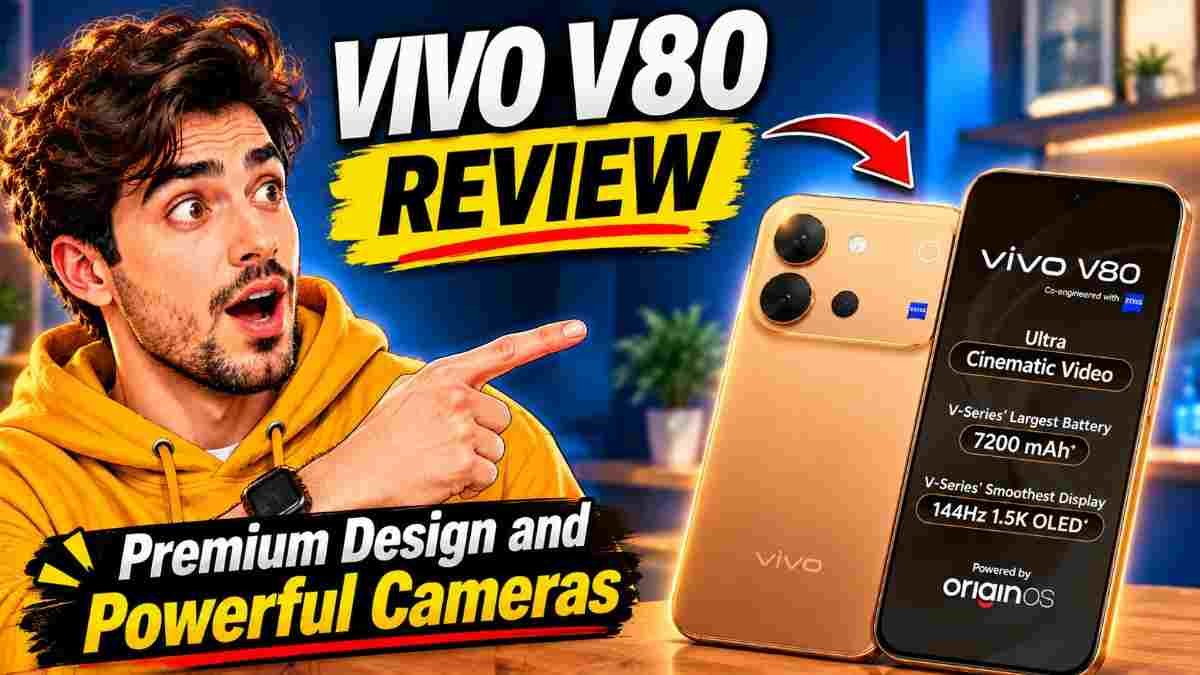

Quick Summary: Should You Buy the Vivo V80?
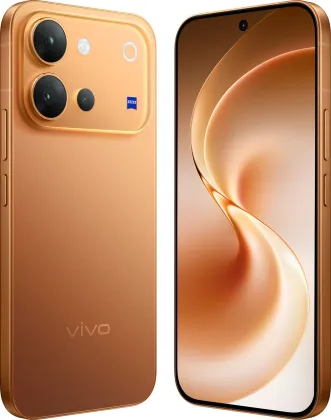
The Vivo V80 is a premium-looking smartphone that focuses on photography, display quality and battery endurance. It offers a distinctive glass-and-aluminium design, a 6.59-inch AMOLED display, a versatile triple-camera setup and a large 7,200mAh battery.
However, its Snapdragon 7 Gen 4 processor, occasional software sluggishness and frustrating camera app response raise questions about its value at ₹62,999. The phone takes impressive portraits, but the overall experience does not consistently match its premium positioning.
WHO should buy it?
- Users who prioritise portrait photography and attractive smartphone designs.
- People who enjoy watching movies and videos on a high-quality AMOLED display.
- Buyers who need excellent battery endurance and fast charging.
- Users who appreciate extensive customisation options in their smartphone software.
Who should avoid it?
- Heavy gamers looking for consistently high frame rates.
- Photography enthusiasts who frequently capture fast-moving subjects.
- Users who expect flagship-level processing performance at this price.
- Buyers who want the best camera performance for their money.
Overall verdict: The Vivo V80 gets several important things right, particularly its display, portrait photography and battery life. However, its performance and camera app experience make it difficult to recommend unconditionally at ₹62,999.
Introduction: What Makes the Vivo V80 Worth Considering?
Vivo’s V series has traditionally appealed to smartphone buyers who want stylish designs and capable cameras without necessarily purchasing an expensive flagship. The Vivo V80 takes that approach further, entering a considerably more competitive price segment with a starting price of ₹62,999 in India.
Its biggest attractions include a 50MP triple-camera system, a 6.59-inch AMOLED display with a claimed 144Hz refresh rate, a Snapdragon 7 Gen 4 processor and a substantial 7,200mAh battery.
On paper, these specifications make the Vivo V80 an interesting option for users who want a premium everyday smartphone. Its Sunrise Anthem colour also gives it a distinctive appearance compared with more conventional black and blue Smartphones.
However, a higher price also brings higher expectations. Buyers spending more than ₹60,000 should expect responsive performance, dependable photography and polished software alongside premium hardware.
The Vivo V80 delivers a mixed experience. Its strengths are genuinely useful, but several shortcomings prevent it from becoming an obvious recommendation in its price category.
Vivo V80 Key Specifications and Features
- Display: 6.59-inch AMOLED display with 1,260 x 2,750-pixel resolution.
- Refresh rate: Up to 144Hz, with a native 120Hz experience.
- Processor: Qualcomm Snapdragon 7 Gen 4.
- RAM: 8GB LPDDR4X.
- Storage: Up to 512GB UFS 3.1.
- Rear cameras: 50MP primary, 50MP 3x telephoto and 8MP ultra-wide.
- Front camera: 50MP selfie camera with f/2.0 aperture.
- Battery: 7,200mAh.
- Charging: 90W wired FlashCharge.
- Operating system: Android 17-based OriginOS 7.
- Software support: Four years of OS updates and six years of security patches.
- Protection: IP68 and IP69 ingress ratings.
- Starting price: ₹62,999.
Vivo V80 Design and Build Quality: A Premium Smartphone With a Distinctive Look
The Vivo V80 makes a strong first impression through its design. Unlike smartphones that rely on subtle colour accents, the Sunrise Anthem variant embraces a bold orange finish that immediately attracts attention.
The rear panel features a glass construction, complemented by an aluminium frame. This combination gives the smartphone a premium appearance and a more sophisticated feel than an ordinary plastic-bodied device.
Vivo has also introduced a redesigned camera island called the Floating Camera design. The large camera plateau features transparent detailing, adding some visual character to the rear panel without making the overall design look unnecessarily complicated.
In-Hand Feel and Everyday Comfort
The Vivo V80 measures 157.52 x 74.33 x 7.69mm and weighs 203g. Despite housing a large battery, it maintains a relatively slim profile.
The rounded corners and flat frame provide a comfortable grip. Its weight distribution also makes the handset feel reasonably balanced during everyday use.
For people who spend considerable time messaging, browsing websites or scrolling through social media, the relatively manageable dimensions should make everyday handling comfortable.
Durability and Water Resistance
The Vivo V80 comes with IP68 and IP69 ingress protection ratings. These ratings provide protection against dust and specified water exposure conditions.
However, water resistance should not be treated as a guarantee against every type of liquid damage. Normal care is still necessary, particularly around charging ports and physical openings.
Design verdict: The Vivo V80 looks and feels like a premium smartphone. Its attractive colour options, glass back and aluminium frame are genuine strengths, although buyers who prefer understated designs might find the orange variant too bold.
Vivo V80 Display Review: An Excellent Screen for Movies and Everyday Use
The Vivo V80 features a 6.59-inch AMOLED display with a resolution of 1,260 x 2,750 pixels. It also supports a claimed refresh rate of up to 144Hz, making it one of the handset’s more attractive features.
AMOLED Technology is particularly useful for entertainment because individual pixels can switch off to produce deeper blacks. This improves contrast and makes darker scenes look more immersive.
Display Quality and Viewing Experience
During everyday use, the display delivers an enjoyable experience when watching videos, browsing social media and reading long articles.
Content with dark scenes benefits particularly from the panel’s contrast. Shows such as Cyberpunk: Edgerunners and The Diplomat demonstrate why a good AMOLED display can make entertainment more enjoyable.
Colours appear vibrant, while the high resolution keeps text and visual details looking sharp. HDR content also benefits from the panel’s contrast capabilities.
Refresh Rate and Outdoor Visibility
Although Vivo advertises a maximum refresh rate of 144Hz, the native 120Hz experience already provides smooth scrolling and responsive animations.
The higher refresh rate can be useful in supported games, although only selected titles can take advantage of the full 144Hz capability.
Outdoor visibility is also satisfactory. Text remains readable in direct sunlight, making the handset practical for checking messages, navigating websites and using applications outside.
One specification worth noting is that the display protection information is not specified in the supplied product details. Buyers looking for a particular protective glass standard should verify it before purchasing.
Display verdict: The Vivo V80 offers an impressive viewing experience. Its AMOLED panel, high resolution and smooth refresh rate make it a strong choice for entertainment and everyday smartphone use.
Vivo V80 Performance Review: Good for Daily Tasks, but Disappointing at This Price
The Vivo V80 uses Qualcomm’s Snapdragon 7 Gen 4 processor, paired with 8GB LPDDR4X RAM and UFS 3.1 storage of up to 512GB.
This hardware combination is capable of handling ordinary smartphone activities, including messaging, browsing, video streaming and social media applications.
However, the processor choice is one of the handset’s biggest weaknesses. The same chipset also appeared in the Vivo V70, meaning the V80 does not introduce a new processor generation.
Everyday Performance and Multitasking
For regular users, the Vivo V80 generally performs well enough. Switching between messaging applications, checking emails, browsing the internet and using Instagram does not present a major challenge.
However, occasional sluggishness while opening certain applications interrupts the otherwise smooth experience.
This is particularly disappointing because buyers spending ₹62,999 naturally expect a consistently responsive smartphone rather than occasional delays during routine operations.
Gaming Performance and Heating
The large AMOLED display makes gaming enjoyable, particularly with casual titles such as Subway Surfers.
More demanding games, including Genshin Impact and Call of Duty: Mobile, are playable. However, the Vivo V80 is not an ideal choice for gamers who prioritise consistently high frame rates.
Extended gaming sessions can also cause the handset to heat up considerably. This does not make the phone unsuitable for occasional gaming, but it weakens its appeal among performance-focused users.
Performance verdict: The Snapdragon 7 Gen 4 is adequate for everyday activities, but the occasional sluggishness and heating during extended gaming make the Vivo V80 less competitive at its premium price.
Vivo V80 Camera Review: Excellent Portrait Potential With Some Frustrating Limitations
Photography is one of the main reasons to consider the Vivo V80. Its rear camera system includes a 50MP primary sensor, a 50MP telephoto camera with 3x optical zoom and an 8MP ultra-wide camera.
On the front, the smartphone features a 50MP selfie camera with an f/2.0 aperture.
50MP Primary Camera: Detailed Photos With Vibrant Colours
The primary camera captures detailed photographs in good lighting conditions. Images generally feature punchy colours, good contrast and a polished appearance after image processing.
This makes the camera suitable for people who frequently share photographs on Instagram and other social media platforms.
However, low-light photography is less consistent. Bright light sources can sometimes appear hazy, while darker areas may contain noticeable grain.
Consequently, the primary camera is more dependable in daylight than in challenging nighttime conditions.
50MP Telephoto Camera: The Best Part of the Camera Setup
The 50MP telephoto camera with 3x optical zoom is arguably the most interesting part of the Vivo V80’s photography experience.
It allows users to capture tighter compositions without relying entirely on digital cropping from the primary sensor.
This is particularly useful for portraits, where a longer focal length can help create a more flattering composition.
The ability to adjust focal lengths also provides additional flexibility when framing subjects. Instead of constantly moving closer or farther away, users can change the composition through the camera interface.
8MP Ultra-Wide Camera: The Weakest Link
The 8MP ultra-wide camera is noticeably less impressive than the other rear cameras.
Although it is useful for capturing landscapes, architecture and group photographs, its lower resolution limits the amount of detail it can reproduce.
Fine textures can look softer, particularly in low-light conditions. Users who frequently photograph landscapes might find this limitation frustrating.
50MP Front Camera: Good for Selfies
The front-facing 50MP camera performs well for selfies. Skin tones generally appear accurate, and the camera avoids excessive overexposure or oversaturation in faces.
This makes it a suitable option for video calls, social media photographs and everyday selfies.
The Biggest Camera Problem: A Slow Camera App
Despite its capable camera hardware, the Vivo V80 has an irritating software-related weakness.
The camera application can take longer than expected to open. In certain situations, users may experience a noticeable delay before they can capture a photograph.
This becomes particularly frustrating when trying to capture spontaneous moments. A camera can have excellent sensors, but those sensors are less useful when the application takes too long to become ready.
The experience also affects consecutive photography. Although the situation is better than some previous camera experiences, the delay remains disappointing for a smartphone marketed around photography.
Camera verdict: The Vivo V80 delivers good daylight photography, attractive portraits and dependable selfies. However, inconsistent low-light results, a weaker ultra-wide camera and slow camera app response prevent it from delivering a consistently premium photography experience.
Vivo V80 Battery Life and Charging: One of Its Biggest Strengths
Battery endurance is an area where the Vivo V80 performs particularly well. It features a large 7,200mAh battery, giving it an advantage for people who regularly use their smartphones throughout the day.
Real-World Battery Performance
With casual usage involving messaging, web browsing and social media scrolling, the battery can comfortably last around a day and a half.
Even with moderate usage that includes photography and light gaming, the handset should comfortably manage a full day.
This makes the Vivo V80 suitable for users who travel frequently, spend long hours away from charging points or simply dislike carrying a charger everywhere.
90W Fast Charging
The smartphone supports 90W wired FlashCharge technology. According to the supplied review information, charging the battery from zero to 100 per cent takes approximately one hour and five minutes.
The charging adapter is also included in the box, which is a welcome addition for buyers who do not want to purchase a separate compatible charger.
Wireless charging is not supported.
Battery verdict: The combination of a 7,200mAh battery and 90W charging makes the Vivo V80 particularly appealing to users who prioritise battery life. It is one of the strongest reasons to consider this smartphone.
Vivo V80 Software Review: OriginOS 7 Brings Plenty of Customisation
The Vivo V80 runs Android 17 with OriginOS 7, bringing a different visual experience compared with a conventional stock Android interface.
The software focuses on personalisation, visual changes and additional productivity features.
Customisation and User Experience
Users can customise several parts of the interface, including the lock screen, icons, widgets and Control Centre.
There are also personalisation tools and AI-powered creative features that expand what users can do with their smartphones.
However, OriginOS 7 is not a stock Android experience. Buyers who prefer a simple interface with minimal customisation may need some time to become familiar with its layout and features.
Software Updates and Long-Term Support
Vivo promises four years of operating system updates and six years of security patches for the V80.
This is an important consideration for people planning to keep their smartphones for several years. Longer software support can help extend the useful life of a device and provide access to newer Android features and security improvements.
Software verdict: OriginOS 7 offers extensive customisation and a fresh interface. The update commitment is another positive, although the overall experience may not appeal to users who prefer stock Android.
Vivo V80 Comparison: How Does It Compare With Its Rivals?
At ₹62,999, the Vivo V80 faces competition from smartphones that place greater emphasis on overall performance and camera capabilities.
Two alternatives worth considering are the Xiaomi 17T and Vivo X200T. Both are identified as stronger buying alternatives in the supplied review, although exact configuration and pricing differences should be checked before making a purchase.
| Comparison | Vivo V80 | Xiaomi 17T | Vivo X200T |
|---|---|---|---|
| Price positioning | Starts at ₹62,999 | Same price bracket | Alternative in Vivo’s lineup |
| Main appeal | Portraits, display and battery | Overall value and camera experience | More compelling premium alternative |
| Design | Premium glass and aluminium | Not specified | Not specified |
| Camera experience | Good portraits, inconsistent low-light results | Superior camera experience according to the supplied review | Recommended as a better alternative |
| Performance comparison | Snapdragon 7 Gen 4 | Exact processor not specified | Exact processor not specified |
| Overall recommendation | Best for buyers prioritising its specific strengths | Better value for money | Worth considering before buying the V80 |
The Xiaomi 17T stands out as the stronger value-for-money alternative based on the supplied review’s assessment. Meanwhile, the Vivo X200T is another option worth examining if you want to stay within Vivo’s smartphone lineup.
For buyers who prioritise the Vivo V80’s distinctive design, large battery and portrait photography, the handset still has its own appeal. However, it is worth comparing these alternatives before spending more than ₹60,000.
Vivo V80 Price in India: Is It Worth ₹62,999?
The Vivo V80 starts at ₹62,999 in India, placing it firmly in the premium smartphone segment.
At this price, buyers should expect a balanced experience across performance, photography, display quality, battery life and software.
The V80 justifies part of its price through its premium construction, AMOLED display, capable portrait camera and excellent battery endurance.
However, the Snapdragon 7 Gen 4 processor does not represent a particularly exciting upgrade, especially considering its presence in the previous Vivo V70. Occasional application delays and camera app responsiveness also make the experience feel less polished than expected.
The camera hardware is capable, but the 8MP ultra-wide sensor and inconsistent low-light photography limit its versatility.
For these reasons, the Vivo V80 is difficult to recommend at its full launch price without considering competing options.
Should You Buy the Vivo V80?
Buy it if: You want a stylish smartphone with a high-quality AMOLED display, good portrait photography, excellent battery life and extensive software customisation.
Avoid it if: You prioritise gaming performance, consistently fast camera operation, dependable low-light photography or maximum hardware value.
Consider alternatives if: You are spending around ₹63,000 and want a more balanced smartphone experience. The Xiaomi 17T and Vivo X200T deserve consideration before making your final decision.
Final Verdict: Should You Buy the Vivo V80?
The Vivo V80 is a smartphone with several genuinely attractive qualities, but it struggles to justify its premium price consistently.
Its design is one of its strongest features. The Sunrise Anthem colourway gives it a distinctive personality, while the glass back, aluminium frame and slim profile create a premium impression.
The 6.59-inch AMOLED display is another highlight, offering an enjoyable experience for watching videos, browsing and everyday entertainment. Its 50MP telephoto camera also produces appealing portraits, and the 7,200mAh battery delivers impressive endurance.
Unfortunately, the experience is not equally strong everywhere. The Snapdragon 7 Gen 4 processor feels underwhelming for this price category, demanding games can cause considerable heating, and the camera application takes longer than expected to become ready.
The ultra-wide camera and low-light photography also leave room for improvement.
Ultimately, the Vivo V80 makes sense for buyers who value design, portraits, display quality and battery life above raw performance. However, people looking for the best overall smartphone experience around ₹63,000 should compare the Xiaomi 17T and Vivo X200T before purchasing.
Our buying advice: The Vivo V80 is worth considering, but it is not an automatic recommendation at ₹62,999. A more competitive price would make its combination of design, cameras and battery life considerably more attractive.
For breaking news and live news updates, like us on Facebook or follow us on Twitter and Instagram. Read more on Latest Reviews on thefoxdaily.com.





COMMENTS 0