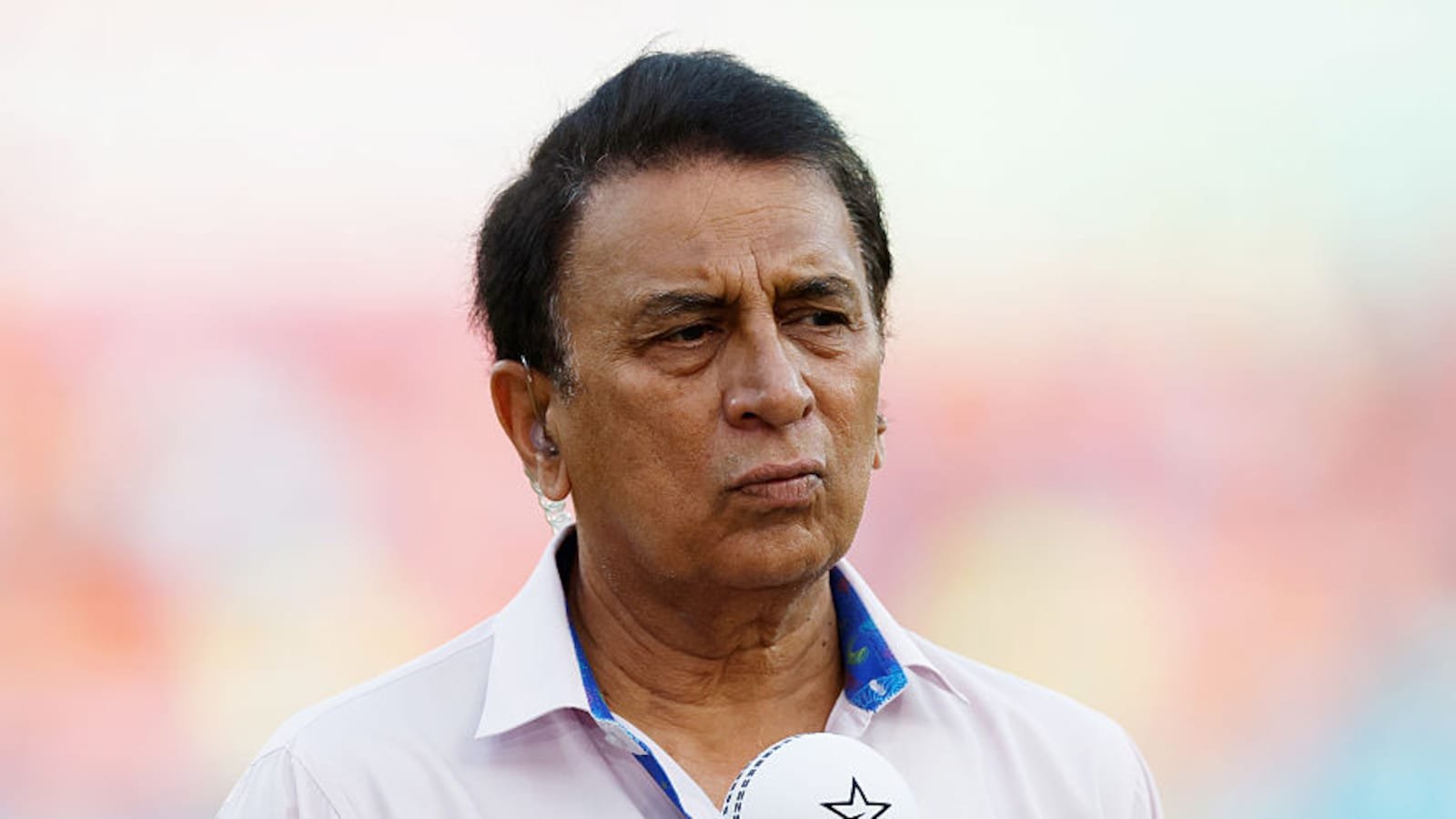
Few symbols in Indian Cricket carry as much emotional weight as the India cap. For generations of cricketers, receiving that cap has represented the culmination of years of sacrifice, domestic performances, and relentless pursuit of excellence. However, cricket legend Sunil Gavaskar believes the growing trend of squad rotation and experimental selections may be changing the significance of that achievement.
The former India captain has voiced concerns over the increasing number of debutants being introduced during bilateral series when senior players are rested. While acknowledging the importance of workload management in modern cricket, Gavaskar argued that representing India should remain a privilege earned through sustained excellence rather than simply becoming available due to rotation policies.
His comments have reignited one of the biggest discussions in modern Indian cricket: how should the national team balance player welfare, talent development, and the prestige associated with earning an India cap?
What Did Sunil Gavaskar Say?
Gavaskar’s remarks came while discussing India’s increasingly demanding cricket calendar and the challenges of managing players across formats and international commitments.
“India is blessed with talent and so you can rotate the players but that is cheapening the India cap. The cap mustn’t be given because a player replaces the undroppable player who is rested. It has to be earned.”
The statement immediately attracted attention because it touches upon a growing trend within Indian cricket. Over the last few years, India has regularly fielded different squads for various tours, particularly against lower-ranked opponents, creating opportunities for numerous young players to make their international debuts.
Gavaskar’s argument is not against youth development. Instead, it centers on ensuring that every player who represents India reaches the national team through a proven pathway of performances and consistency.
Why the Debate Matters More Than Ever
Modern cricket is dramatically different from the era in which Gavaskar played. International teams now compete across multiple formats, participate in global tournaments, franchise leagues, and maintain year-round schedules that place unprecedented physical and mental demands on players.
As a result, workload management has become a crucial part of team planning. Cricket boards worldwide regularly rest star players to reduce injury risks and extend careers.
However, the challenge lies in balancing those practical necessities with maintaining the prestige of national representation.
When debuts become more frequent, some believe opportunities increase for deserving players. Others argue that frequent experimentation can unintentionally reduce the exclusivity historically associated with playing for the country.
How India’s Rotation Policy Has Evolved
India’s approach to squad management has changed significantly over the last decade. Earlier generations often relied on a relatively stable core group of players, with new entrants forced to wait extended periods for opportunities.
Today, selectors operate in a very different environment.
| Traditional Era | Modern Era |
|---|---|
| Limited international calendar | Year-round cricket schedule |
| Stable squads | Frequent rotation |
| Few debut opportunities | Regular experimentation |
| Long waits for selection | Faster promotions |
| Minimal workload concerns | Major focus on player management |
The modern structure provides more opportunities for emerging players but also raises questions about how selectors define readiness for international cricket.
The India Cap: More Than Just a Selection
For many cricketers, receiving an India cap represents the highest honor in their sporting careers. The moment symbolizes years of domestic cricket, personal sacrifices, and the successful navigation of one of the most competitive talent systems in world sport.
India’s enormous player base means thousands dream of reaching the national team, but only a select few achieve that goal.
This exclusivity is precisely what Gavaskar appears determined to protect.
His argument suggests that while opportunities should exist for emerging talent, the pathway should remain rigorous enough to preserve the special significance attached to international selection.
The Case for Squad Rotation
While Gavaskar’s concerns have generated support, there is also a strong argument in favor of India’s current approach.
Modern cricket’s schedule makes player rotation almost unavoidable. Leading players often participate in Tests, ODIs, T20Is, ICC tournaments, and franchise leagues within the same year.
Without adequate rest periods, the risks increase dramatically.
- Higher injury rates.
- Physical fatigue.
- Mental burnout.
- Reduced performance levels.
- Shortened careers.
From a management perspective, rotating players is not simply about experimentation. It is often a strategic necessity designed to keep top performers available for major tournaments and important series.
Building Bench Strength for the Future
Another major reason behind India’s rotation strategy is the need to develop squad depth.
International cricket has repeatedly demonstrated the importance of having ready replacements when injuries strike. Teams that depend heavily on a small group of players often struggle when unexpected absences occur.
By giving opportunities to younger cricketers during bilateral series, India can evaluate talent under international pressure before major tournaments arrive.
This approach has helped produce several successful players who initially entered the team through rotational opportunities before becoming established stars.
Gavaskar’s Preferred Pathway to the National Team
One of the most significant aspects of Gavaskar’s comments involves his emphasis on developmental cricket.
He believes aspiring players should continue proving themselves through structured progression.
The pathway he advocates includes:
- Strong domestic performances.
- Consistent India A contributions.
- Success in age-group cricket.
- Sustained excellence over multiple seasons.
- Demonstrated readiness for international competition.
Such a system ensures players arrive in the senior team fully prepared for the pressures and expectations associated with international cricket.
The Impact of Franchise Cricket on Selection
The rise of franchise tournaments has transformed cricket’s talent identification process. Performances in leagues now attract enormous attention from selectors and fans alike.
Players can gain national recognition within a single season if they produce standout performances against elite competition.
While this accelerates opportunities, it also raises questions about whether short-term success should outweigh long-term consistency in domestic cricket.
Gavaskar’s perspective appears to favor a more balanced evaluation process that rewards sustained excellence rather than isolated performances.
Can Both Approaches Coexist?
The debate is often presented as a choice between tradition and modernity, but the reality may lie somewhere in the middle.
Successful cricket systems typically combine workload management with strict performance standards.
Rotation can continue without diminishing the value of selection if players still meet clearly defined benchmarks before receiving opportunities.
The challenge for selectors is ensuring that every debut feels earned, regardless of the circumstances that created the opening.
The Growing Challenge of Cricket Fatigue
Gavaskar also highlighted another important issue: fan fatigue.
Cricket’s expanding calendar has created unprecedented levels of content for audiences. While more matches generate greater engagement and revenue, they can also make it difficult for supporters to remain emotionally invested in every series.
When cricket becomes a year-round product, maintaining excitement and significance around individual matches becomes increasingly challenging.
This broader concern extends beyond selection policies and reflects ongoing discussions about the future structure of international cricket.
Recent Examples Fueling the Discussion
India has increasingly used separate squads for various bilateral assignments, particularly when senior players require rest or workload management.
This strategy has allowed numerous youngsters to gain valuable international exposure. However, it has also prompted debates about whether some opportunities arrive too early in a player’s development journey.
Supporters of the policy point to the emergence of several successful international players who benefited from early exposure. Critics argue that international cricket should remain the final destination of a player’s development rather than part of the developmental process itself.
What This Means for Indian Cricket Going Forward
Gavaskar’s comments arrive at a time when Indian cricket possesses unprecedented depth. The national selection pool is arguably larger than at any point in the country’s history.
That abundance creates both opportunities and challenges.
Selectors must reward emerging talent while preserving standards. Coaches must prepare players for international cricket without rushing development. Administrators must balance commercial demands with competitive integrity.
These competing priorities ensure that the debate surrounding debut culture will remain relevant for years to come.
Conclusion
Sunil Gavaskar’s remarks have sparked an important conversation about what it means to represent India in modern cricket. While he acknowledges the necessity of player rotation and workload management, his central message is clear: the India cap should remain one of the most difficult achievements in the sport.
As cricket continues evolving, balancing player welfare, squad depth, and national prestige will become increasingly complex. There may never be complete agreement on where that balance should lie.
However, Gavaskar’s comments serve as a reminder that beyond rankings, records, and schedules, representing India remains one of cricket’s greatest honors—an honor that generations of players have spent their entire careers striving to earn.
For breaking news and live news updates, like us on Facebook or follow us on Twitter and Instagram. Read more on Latest Sports on thefoxdaily.com.






COMMENTS 0