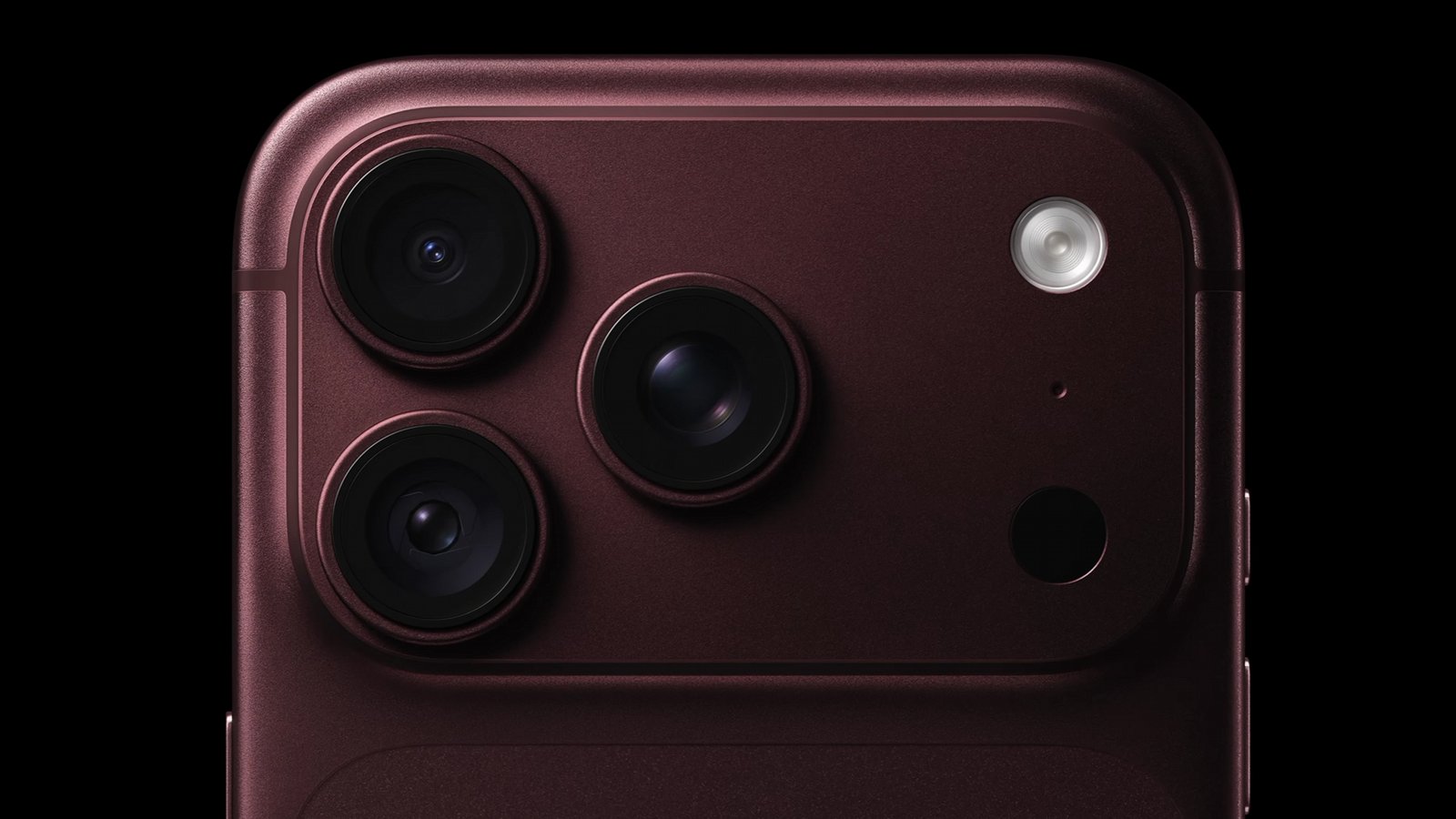
Apple’s first mechanical aperture brings hardware-based exposure and depth-of-field control to the iPhone 18 Pro and Pro Max, giving photographers and filmmakers more creative control
Apple’s iPhone 18 Pro and iPhone 18 Pro Max introduce a camera feature that could matter more to serious photographers than another increase in megapixels or another software-powered Photography mode: a mechanical variable aperture.
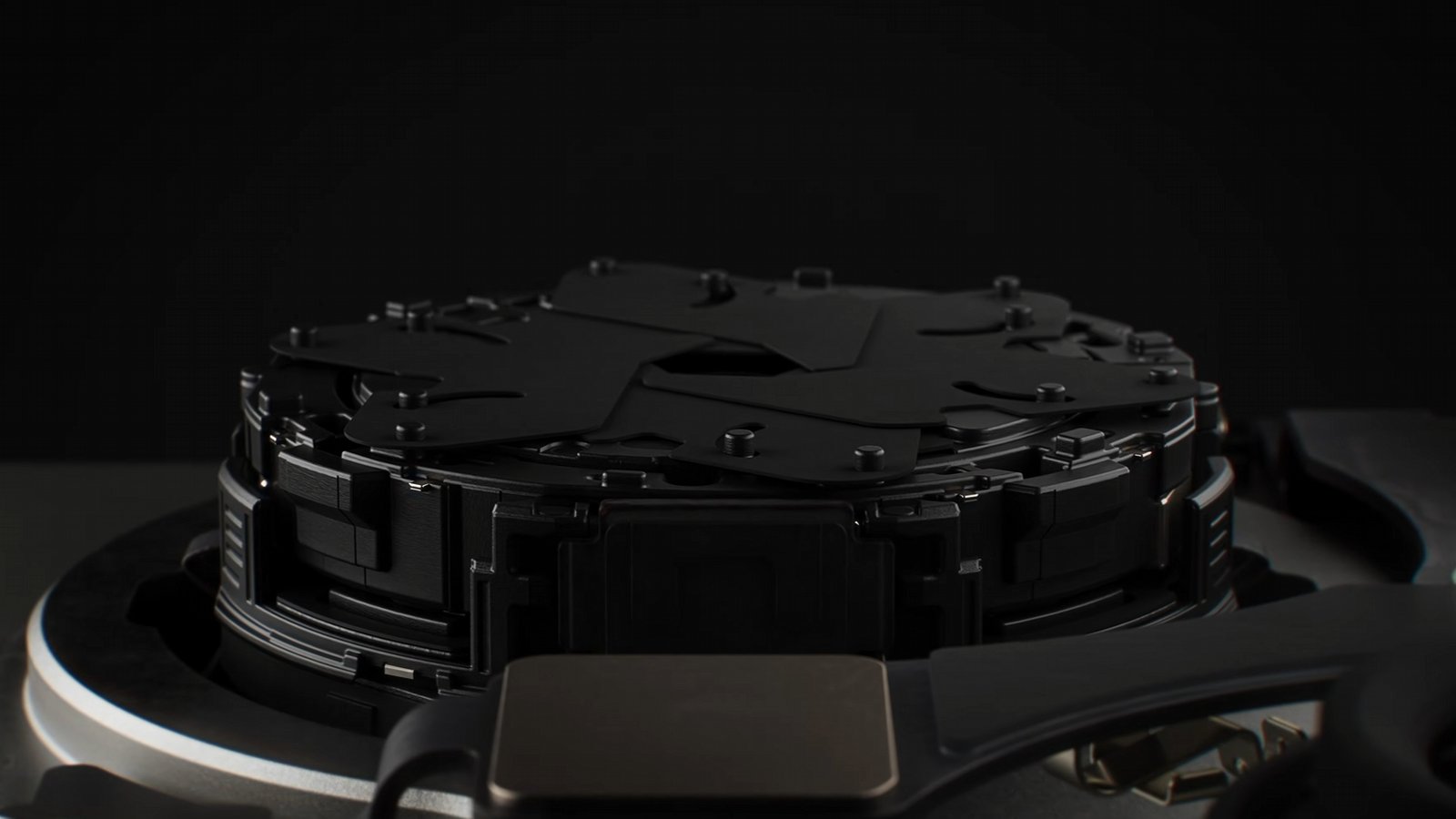
The Technology represents a significant change in how the iPhone’s main camera controls light. Instead of relying entirely on computational photography and fixed physical optics, the main camera can now mechanically adjust the size of its aperture. Apple has equipped the system with six aperture blades that can open and close according to the shooting situation.
Variable apertures are still relatively uncommon in smartphones. Huawei has used adjustable apertures in several flagship phones, including models such as the Pura 80 Ultra. The concept is also familiar to anyone using dedicated cameras, where changing aperture is one of the fundamental controls for shaping an image.
For everyday iPhone users, the difference may not immediately be obvious. Computational photography remains central to smartphone imaging. But for photographers and filmmakers WHO want greater control over exposure, depth of field and shutter speed, the addition gives the iPhone 18 Pro camera a capability that previous generations simply did not have.
What is aperture and why does it matter?
Every camera lens has an aperture, an opening through which light reaches the image sensor. The size of that opening affects both exposure and the appearance of the final image.
With a large aperture, more light reaches the sensor. This is particularly useful in darker environments, where every additional amount of available light can help maintain image quality and avoid excessively slow shutter speeds.
A wider aperture can also produce a shallower depth of field. That means the subject can remain sharp while parts of the foreground or background become increasingly blurred. Portrait photographers often use this effect to separate people from distracting backgrounds.
Closing the aperture reduces the amount of light entering the camera while increasing the range of the scene that can appear acceptably sharp. This can be useful for landscapes, architecture, street photography and other situations where the photographer wants more of the frame to remain in focus.
Dedicated cameras allow photographers to make these decisions physically by adjusting the aperture blades inside the lens. Most smartphones have traditionally taken a different approach.
Smartphone Cameras generally use a fixed aperture because of their compact size. The camera therefore cannot physically change the amount of light entering through the lens by altering the aperture. Instead, phones rely on shutter speed, ISO-like gain and computational photography to compensate for changing conditions.
Portrait modes and other computational effects can simulate shallow depth of field, while night modes combine multiple frames and sophisticated processing to produce brighter and cleaner images in dark environments.
What makes the iPhone 18 Pro’s aperture different?
The iPhone 18 Pro series changes that equation by adding a mechanical aperture to the main camera.
Apple calls the feature a variable aperture. Its aperture system uses six mechanical blades made from a polymer composite, allowing the physical opening to change rather than remaining fixed at one value.
The aperture can move between f/1.48 and f/4. That gives the main camera considerably more physical control over the amount of light reaching its sensor than earlier iPhone generations with fixed apertures.
The significance of that range becomes clearer when thinking about how a photographer actually works. At f/1.48, the camera can allow a large amount of light through the lens, which is useful in darker environments. Closing the aperture toward f/4 reduces the amount of incoming light and can help manage exposure in brighter conditions.
That means the camera is no longer leaving the entire exposure decision to shutter speed and computational processing.
Variable aperture is about more than background blur
The most obvious reason photographers use aperture controls on dedicated cameras is depth of field. However, exposure control may prove just as important on a smartphone.
Imagine shooting outdoors on a bright day while recording video. If the aperture is fixed wide open, the camera has fewer physical options for controlling the amount of light entering the sensor. It can compensate by increasing shutter speed or adjusting other exposure parameters.
For still photography, that may be perfectly acceptable. Video is more complicated.
Filmmakers often work with relatively slow shutter speeds because they produce motion blur that looks natural during movement. Using an extremely fast shutter speed can make motion appear harsh or unnaturally sharp.
A variable aperture gives the camera another physical exposure control. Instead of increasing shutter speed indefinitely when a scene becomes brighter, the aperture can be closed down to reduce the amount of light entering the sensor.
That could be particularly useful for people who use the iPhone as a serious video camera rather than simply recording occasional clips.
Apple has also expanded manual-style control over video recording on the iPhone 18 Pro, making the physical aperture more relevant to photographers and filmmakers who want to make deliberate exposure decisions.
There is a catch: smartphone sensors are still small
Despite the appeal of a mechanical aperture, it is important not to confuse the addition of physical aperture control with the arrival of a full-sized interchangeable-lens camera experience.
The size of the camera sensor has a major influence on depth of field. Smartphone sensors are substantially smaller than the sensors used in many dedicated cameras, including the larger sensors found in premium compact cameras and mirrorless systems.
That means the practical depth-of-field effect produced by changing aperture on an iPhone will generally be less dramatic than what photographers experience when changing aperture on a full-frame camera.
For example, closing a large-camera lens from a very wide aperture to a smaller aperture can dramatically change how much of a portrait is in focus. On a smartphone, the physical difference can be more subtle because of the smaller imaging system.
This is also why computational photography remains so important to modern smartphone cameras. Software can identify subjects, estimate depth and selectively blur backgrounds in ways that would otherwise require a much larger optical system.
Apple’s Portrait mode is an example of this approach. Instead of depending solely on optical depth of field, the iPhone can use computational processing to create a background-blur effect.
Why f/1.48 matters for low-light photography
The wide end of the iPhone 18 Pro’s aperture range also has practical consequences.
An aperture of f/1.48 allows more light through the lens than the f/1.78 aperture used by the previous generation’s main camera. That additional light can be valuable when shooting indoors, at night or in other challenging conditions.
More light reaching the sensor can give the camera additional flexibility when selecting shutter speed and gain. That can help when photographing moving subjects in dim environments because extremely slow shutter speeds can introduce motion blur.
Apple has also highlighted applications such as indoor portraits and astrophotography, where gathering as much available light as possible can be particularly useful.
However, the aperture should not be viewed in isolation. Modern smartphone image quality is the result of an entire imaging pipeline that includes the sensor, lens, stabilization, image signal processing and computational photography.
A wider physical aperture does not automatically guarantee a better photograph. The camera still has to process the information effectively.
Why stopping down to f/4 could improve certain shots
The other side of the equation is equally interesting.
Closing the aperture toward f/4 reduces the amount of light entering the sensor, which can be useful when a scene is extremely bright. But it can also change the optical characteristics of the image.
Depending on the lens design, shooting somewhat stopped down can improve edge-to-edge performance and reduce certain optical imperfections associated with shooting at the widest aperture. More of the scene may also remain acceptably sharp.
For landscape photography, architecture or detailed outdoor scenes, that additional control could be more useful than simulated background blur.
It also gives photographers another way to manage exposure without relying entirely on extremely fast shutter speeds or computational adjustments.
How it compares with Huawei’s approach
Apple is not the first smartphone manufacturer to experiment with mechanical aperture systems.
Huawei has already introduced variable apertures on flagship smartphones, including the Pura 80 Ultra. That camera offers a substantially different aperture range, extending from a wide f/1.6 setting to f/4.
The broader trend is significant because smartphone manufacturers have spent years improving image quality through software. Mechanical aperture technology represents a move toward adding more conventional camera hardware alongside those computational techniques.
The two approaches do not have to compete. In practice, the strongest smartphone camera systems can combine optical control with computational processing.
A photographer can use the physical aperture to influence exposure and depth of field, while the phone’s software handles tasks such as noise reduction, dynamic-range processing, sharpening and multi-frame image combination.
Will the iPhone 18 Pro suddenly take better photos?
Not necessarily.
The addition of a mechanical aperture is important because it gives photographers another control, not because it eliminates the need for computational photography.
For casual users shooting in automatic mode, the difference may be relatively subtle. The iPhone can already produce impressive images using a combination of fixed optics and software processing, and many people will never manually change the aperture.
The benefits become more apparent for people who deliberately control exposure or shoot demanding photographs and video.
A photographer working in changing light can use the aperture as another exposure variable. Someone recording cinematic video can use it to help manage light while maintaining a preferred shutter speed. A landscape photographer can experiment with depth of field and optical sharpness. A person shooting at night can take advantage of the wider aperture.
Those are meaningful improvements in control even if they do not transform every automatic photograph.
The bigger significance for iPhone photography
The most interesting aspect of the iPhone 18 Pro’s variable aperture is therefore not simply that Apple has added another camera specification.
It signals a broader shift in smartphone photography. For years, manufacturers have increasingly asked software to compensate for the physical limitations of tiny cameras. Computational photography has become extraordinarily sophisticated, but professional photographers still value direct control over the optical process.
The iPhone 18 Pro brings one of those traditional camera controls into a smartphone without abandoning computational photography.
That combination could ultimately be more important than the aperture itself. The phone can use physical optics when that is advantageous and computational techniques when software can achieve something the hardware cannot.
For professional photographers and filmmakers, the attraction is straightforward: more control means more ways to deliberately shape the final image.
The iPhone 18 Pro’s variable aperture will not replace the flexibility of a dedicated camera with interchangeable lenses and a much larger sensor. But it does narrow the gap in one important area.
For everyday users, the feature may work quietly in the background. For serious creators, however, having the ability to physically control the aperture could make the iPhone 18 Pro a more capable photographic tool and that makes it one of the most meaningful camera changes in Apple’s latest generation.
For breaking news and live news updates, like us on Facebook or follow us on Twitter and Instagram. Read more on Latest Technology on thefoxdaily.com.






COMMENTS 0