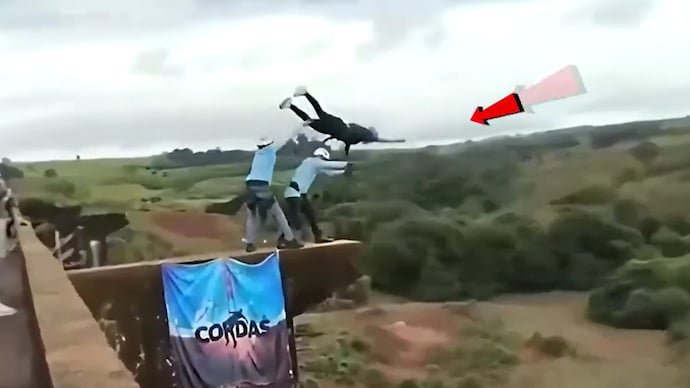
A routine adventure activity turned into a devastating tragedy when 21-year-old Maria Eduarda Rodrigues de Freitas lost her life during a bungee jump in Brazil after the safety rope allegedly was not attached before she was released from a bridge platform. The fatal incident, which occurred at Skeleton Bridge in Sao Paulo state, has shocked the country and drawn international attention to the critical importance of safety protocols in adventure sports.
The accident has sparked a criminal Investigation, led to multiple arrests, and reignited debate about oversight, training standards, risk management, and accountability in the rapidly growing Adventure Tourism sector. Beyond the heartbreaking loss of a young life, the tragedy serves as a stark reminder that even a single breakdown in safety procedures can have irreversible consequences.
As authorities continue their investigation, questions remain about how such a catastrophic error could occur and what lessons the industry must learn to prevent similar incidents in the future.
What Happened During the Fatal Bungee Jump?
According to local authorities and witness accounts, Maria Eduarda Rodrigues de Freitas was participating in a bungee jump organized by a private operator at Skeleton Bridge in Sao Paulo state. Video footage recorded by spectators appears to show staff preparing her for the jump before releasing her from the platform.
Moments later, witnesses reportedly realized something was terribly wrong. Onlookers began shouting warnings about the rope, but it was already too late. Authorities believe the primary safety cord that should have supported the jumper during the fall had not been attached properly.
The young woman fell approximately 130 feet into the ravine below. Emergency responders rushed to the scene, but she was pronounced dead.
The incident immediately transformed what was intended to be a recreational experience into a major criminal and public safety investigation.
Who Was Maria Eduarda Rodrigues de Freitas?
Maria Eduarda Rodrigues de Freitas was a 21-year-old Brazilian woman whose death has resonated far beyond her local community. Friends and Family members described her as a young woman embracing life and seeking new experiences.
Adding to the emotional impact of the tragedy was a social media post she shared shortly before the jump. The image reportedly showed the bridge and her participation wristbands, accompanied by a lighthearted caption joking about her decision to jump.
Following news of the accident, the post spread widely online as people reflected on how quickly an ordinary day of adventure turned into a fatal event.
Her death has become a symbol of the human cost of safety failures and has prompted widespread calls for greater accountability.
The Critical Role of Safety Systems in Bungee Jumping
Bungee jumping is considered one of the world’s most popular extreme sports. Despite its intimidating appearance, it is generally regarded as safe when operators strictly follow established procedures.
Modern bungee jumping systems rely on multiple layers of protection designed to prevent exactly the kind of failure investigators are examining in this case.
- Primary elastic bungee cord
- Secondary backup safety systems
- Harness inspections
- Equipment verification checklists
- Staff cross-check procedures
- Weight and attachment confirmation
- Pre-jump verbal verification
Industry experts often emphasize that adventure activities are safest when operators assume human error is possible and build multiple verification steps into every process.
The principle is simple: no single mistake should be capable of causing a fatal outcome.
How Safety Checklists Prevent Catastrophic Errors
One of the most important tools used in aviation, healthcare, engineering, and adventure sports is the checklist.
research across multiple industries has consistently shown that structured safety checklists significantly reduce preventable accidents. In high-risk environments, checklists force operators to confirm each step before proceeding.
For activities such as bungee jumping, standard procedures often require more than one staff member to independently verify that harnesses, ropes, and backup systems are correctly attached.
Investigators are expected to examine whether such verification systems existed and whether they were followed on the day of the accident.
| Safety Layer | Purpose |
|---|---|
| Equipment Inspection | Identifies damaged or defective gear |
| Harness Verification | Confirms correct attachment points |
| Staff Cross-Check | Reduces human error |
| Pre-Jump Confirmation | Ensures readiness before release |
| Emergency Response Plan | Provides immediate action after incidents |
Why the Incident Has Triggered Criminal Investigations
Authorities arrested six individuals at the scene as part of the initial investigation. While arrests do not automatically imply guilt, they indicate investigators believe there are serious questions regarding operational responsibility.
Criminal investigations involving recreational accidents typically focus on several key areas:
- Negligence
- Failure to follow safety procedures
- Improper staff training
- Equipment management failures
- Regulatory compliance issues
- corporate responsibility
Investigators will likely analyze video footage, staff records, equipment maintenance logs, witness testimony, and operational protocols to determine whether criminal charges are justified.
The outcome could have significant implications not only for those directly involved but also for broader safety regulation within Brazil’s adventure tourism industry.
The Growth of Adventure Tourism and Its Challenges
The tragedy comes at a time when adventure tourism continues to expand globally. Activities such as bungee jumping, ziplining, skydiving, white-water rafting, and mountain climbing attract millions of participants every year.
The sector has become a major contributor to tourism economies because travelers increasingly seek unique experiences rather than traditional sightseeing alone.
However, the industry’s rapid growth has created new challenges.
As demand rises, operators face pressure to handle larger volumes of customers while maintaining strict safety standards. Even highly experienced organizations can become vulnerable if operational discipline weakens.
This is why regulatory agencies around the world continue to emphasize training, inspections, certification, and risk management.
How Human Error Remains the Biggest Risk Factor
When extreme sports accidents occur, equipment failure often receives immediate attention. Yet safety experts frequently point to human error as the more significant risk factor.
In industries ranging from aviation to healthcare, investigations repeatedly show that accidents rarely result from a single cause. Instead, they emerge from multiple failures occurring simultaneously.
A missing verification step, communication breakdown, distraction, inadequate supervision, or procedural shortcut can combine to create conditions for disaster.
If investigators confirm that the safety rope was not attached before the jump, the incident would represent one of the most serious forms of operational failure because the error involved a fundamental safety requirement.
Such failures are particularly concerning because they are generally preventable through proper systems and oversight.
The Psychological Impact on Families and Witnesses
Beyond the legal and operational questions, incidents like this leave lasting emotional scars.
Reports indicate Maria’s fiance was present during the tragedy and required medical attention after learning of her death. Witnesses WHO observed the incident may also experience long-term psychological effects.
Traumatic events can lead to emotional distress, anxiety, sleep disturbances, and post-traumatic stress symptoms among those directly exposed to them.
For families, the sudden and unexpected nature of such accidents often makes grieving particularly difficult.
The emotional impact frequently extends far beyond the immediate victims, affecting entire communities and social networks.
What Governments and Regulators Can Learn
The accident has prompted local officials to call for greater accountability and stronger oversight measures.
Regulators worldwide often face a difficult balance between encouraging tourism growth and ensuring public safety. Events like this demonstrate why continuous monitoring and enforcement remain essential.
Potential policy responses could include:
- More frequent safety inspections
- Mandatory staff certification programs
- Independent audits of adventure tourism operators
- Enhanced emergency response requirements
- Stricter licensing standards
- Digital safety verification systems
Many experts argue that safety regulations should evolve alongside technological advancements and industry expansion.
A Comparison With Aviation Safety Culture
One of the most valuable lessons adventure tourism can learn comes from aviation.
Commercial aviation has become one of the safest forms of transportation in the world largely because it treats every incident as an opportunity for systemic improvement.
airlines rely on layered safety systems, mandatory checklists, crew verification procedures, independent audits, and detailed incident investigations.
Adventure tourism operators increasingly face calls to adopt similar approaches, especially for activities where mistakes can have fatal consequences.
The comparison highlights an important truth: safety is not achieved through trust alone. It requires structured systems designed to catch errors before they become tragedies.
The Wider Impact on Adventure Tourism Businesses
High-profile accidents can affect consumer confidence across an entire industry.
Following major incidents, potential customers often become more cautious about participating in adventure activities. Operators may experience increased scrutiny from regulators, insurers, and the public.
Businesses with strong safety records may respond by increasing transparency, publishing safety certifications, and investing further in staff training.
In the long term, heightened scrutiny can actually improve industry standards if operators use incidents as opportunities to strengthen procedures.
What Travelers Should Check Before Participating in Extreme Sports
While responsibility ultimately rests with operators, travelers can take proactive steps when selecting adventure activities.
- Verify licensing and certifications
- Research company safety records
- Read independent reviews
- Observe equipment conditions
- Ask about emergency procedures
- Confirm staff training qualifications
- Ensure safety briefings are conducted thoroughly
These steps cannot eliminate risk entirely, but they can help participants make more informed decisions.
The Future of Safety in Adventure Tourism
Technology may play a growing role in reducing human error. Digital checklists, wearable sensors, automated verification systems, and real-time monitoring tools are increasingly being explored across high-risk industries.
Some experts believe future adventure tourism operations could incorporate electronic confirmation systems that prevent activities from proceeding unless all required safety checks have been completed.
While technology cannot replace human judgment, it can serve as an additional layer of protection.
The tragedy in Brazil may accelerate conversations about adopting such innovations more broadly.
Conclusion
The death of Maria Eduarda Rodrigues de Freitas is a heartbreaking reminder of the consequences that can result when critical safety procedures fail. What should have been an exciting adventure instead became a fatal incident that has devastated a family, shocked witnesses, and prompted a major criminal investigation.
As authorities work to determine responsibility, the case is likely to influence discussions about adventure tourism safety far beyond Brazil. The incident underscores the importance of rigorous training, multiple verification systems, accountability, and continuous oversight in activities where lives depend on every procedure being followed correctly.
The broader lesson extends beyond one bridge, one company, or one country. In every high-risk activity, safety is not merely a guideline it is the foundation upon which trust, participation, and human lives depend. The outcome of this investigation may shape future standards, but its most enduring impact could be the renewed commitment to ensuring that preventable tragedies like this never happen again.
For breaking news and live news updates, like us on Facebook or follow us on Twitter and Instagram. Read more on Latest World on thefoxdaily.com.






COMMENTS 0