Fears of renewed fighting between Iran and the United States are growing across the Middle East as residents wait for clarity on what could happen after the November 3 US Midterm Elections. US President Donald Trump has indicated that military action could resume after the vote, while Tehran has warned that any new conflict could involve a wider range of targets.
With Washington offering few details about its intentions and Iranian officials issuing increasingly forceful warnings, people across Gulf Arab countries are preparing for the possibility of fresh disruption. Concerns range from school closures and flight cancellations to the safety of families, businesses and foreign workers living in the region.
The uncertainty has also affected international businesses and diplomatic communities. Some families of US diplomats have reportedly begun leaving the region, while companies have reconsidered travel plans for major events.
Why Are Fears of a Renewed Iran War Growing After the Midterms?
The conflict began in February when the United States and Israel launched strikes on Iran that killed Supreme Leader Ali Khamenei. The war has since entered its eighth month, with neither side achieving a decisive breakthrough through military action or diplomacy.
Trump has alternated between threatening further strikes and expressing willingness to pursue a diplomatic settlement. Earlier this month, he wrote on social media that Washington “will not be attacking Iran at any time prior to the midterm elections”.
However, he did not rule out military action after November 3. The absence of a clear commitment against renewed strikes has left residents and businesses uncertain about what could happen once Americans have voted.
Trump also spoke with Israeli Prime Minister Benjamin Netanyahu on Saturday. Although the details of the conversation were not made public, Axios reported that Iran was among the subjects discussed. Asked about the call on Sunday, Trump described it as a “very good talk” but provided no further information.
Hasan Alhasan, a senior fellow for Middle East policy at the International Institute for Strategic Studies, told CNN that US signals were contributing to regional anxiety.
“The US has been actively feeding into this regionwide sense of anxiety as it keeps signaling that another round of escalation might be imminent. But it’s becoming difficult to distinguish pressure tactics from genuine signals.”
Iran Warns of a Wider Conflict and New Military Targets
Iran has also been trying to demonstrate that it remains prepared for another round of fighting. Over the past month, Iranian military commanders have issued public statements claiming that the country has accumulated large stockpiles of new weapons and developed capabilities to strike additional targets.
A senior Iranian security official told CNN that Tehran would consider targeting infrastructure beyond oil facilities across the region, including artificial intelligence infrastructure. The official warned that a renewed conflict could become a long “war of surprises”.
Iran’s Supreme Leader Mojtaba Khamenei also ordered a response “without geographical limitations” to any new threat on Saturday. The statement appeared intended to project an active role for Khamenei in military preparations, although he has yet to appear publicly, according to the supplied report.
These warnings have increased concern among Gulf countries that another confrontation could extend beyond military installations and energy infrastructure.
Netanyahu’s Political Position Adds to Regional Uncertainty
Israel’s political situation is another factor shaping expectations about a possible escalation. Netanyahu, who partnered with the United States in the strikes against Iran and has advocated further military action, is expected to remain in office despite losing his majority in recent elections.
Negotiations over forming a new Israeli government are expected to begin in earnest next week. However, the election results suggest that opposition parties could face difficulties removing Netanyahu from power quickly.
His continued position as prime minister means Israel’s approach to Iran will remain an important consideration as Washington weighs its next steps.
Gulf Residents Prepare for Possible Flight Disruptions and School Closures
Across Gulf Arab countries, residents are trying to understand whether the conflict could resume and how it might affect daily life. Some are monitoring social media reports about troop movements, while others are relying on informal information to assess the risk of new military action.
A 36-year-old American living in Saudi Arabia told CNN that the atmosphere had become more cautious. She plans to leave before the US midterm elections.
“The mood has definitely shifted. People are more cautious in general, and it feels like a waiting game to see what happens.”
Michelle, another 36-year-old American living in Abu Dhabi, said she was trying not to think about the possibility of another round of attacks.
“I’m actively trying not to think about that happening again because I really don’t want another winter with strikes.”
She said she had generally felt safe in the UAE but was more concerned about the possibility of another major disruption to everyday life.
Families of US diplomats have also reportedly begun leaving discreetly. Some departures became known only after children started saying goodbye to classmates at school. Several families had returned to their posts after being ordered to leave during the height of the conflict in March, making the latest departures particularly unsettling for residents.
Reports of thousands of US troops being sent to the region, as reported by the Associated Press, have added to concerns about the possibility of renewed military activity.
Saudi Arabia Faces Concerns Over Security and Business Disruptions
In Saudi Arabia, residents are worried that renewed fighting could place additional pressure on a country already facing security concerns along its southern border.
Major events have already been cancelled, while some offices have shifted to remote working after Iran-allied Houthi rebels intensified their strikes, according to the supplied report.
An American resident in Saudi Arabia told CNN that neighbours and friends were preparing for November while worrying about possible travel problems during the holiday season.
“My neighbors and friends are bunkering for November but starting to get concerned about flight disruptions over the holidays.”
The resident said some offices had moved to virtual operations or reduced staffing, while remote learning arrangements were also in place.
Security Concerns Affect Energy Conference Plans in Abu Dhabi
Uncertainty has also influenced business travel and international events across the Gulf. In Abu Dhabi, where no attacks had been recorded since May, two US oil companies cancelled plans for their executives to attend one of the region’s major energy conferences, citing security concerns, Reuters reported.
The event is nevertheless scheduled to proceed next week. Organiser DMG told Reuters that it expects strong participation from the United States, with more than 120 American companies exhibiting.
The conference is expected to attract nearly 240,000 people, according to the organisers. Its continuation highlights the challenge facing businesses and event organisers as they balance security concerns with commercial commitments.
Bahrain Residents Still Feel the Psychological Impact of the War
In Bahrain, one of the countries worst affected by Iranian attacks during the conflict, residents said the psychological impact of the fighting had not disappeared.
Fawaz, a 21-year-old resident, told CNN that memories of the bombings continued to affect people’s sleep and sense of security.
“There is still that traumatic effect. When you hear the bombings, it’s kind of like you feel it in your hearts and it’s hard to sleep at night, especially when there are bombings outside.”
He added that although some people had become more accustomed to the situation, the threat remained frightening.
Quiet Diplomacy Continues as Washington and Tehran Exchange Messages
Despite the growing anxiety, diplomatic efforts have continued behind the scenes. The past week has seen a series of exchanges and mediation efforts that have kept open the possibility of an agreement.
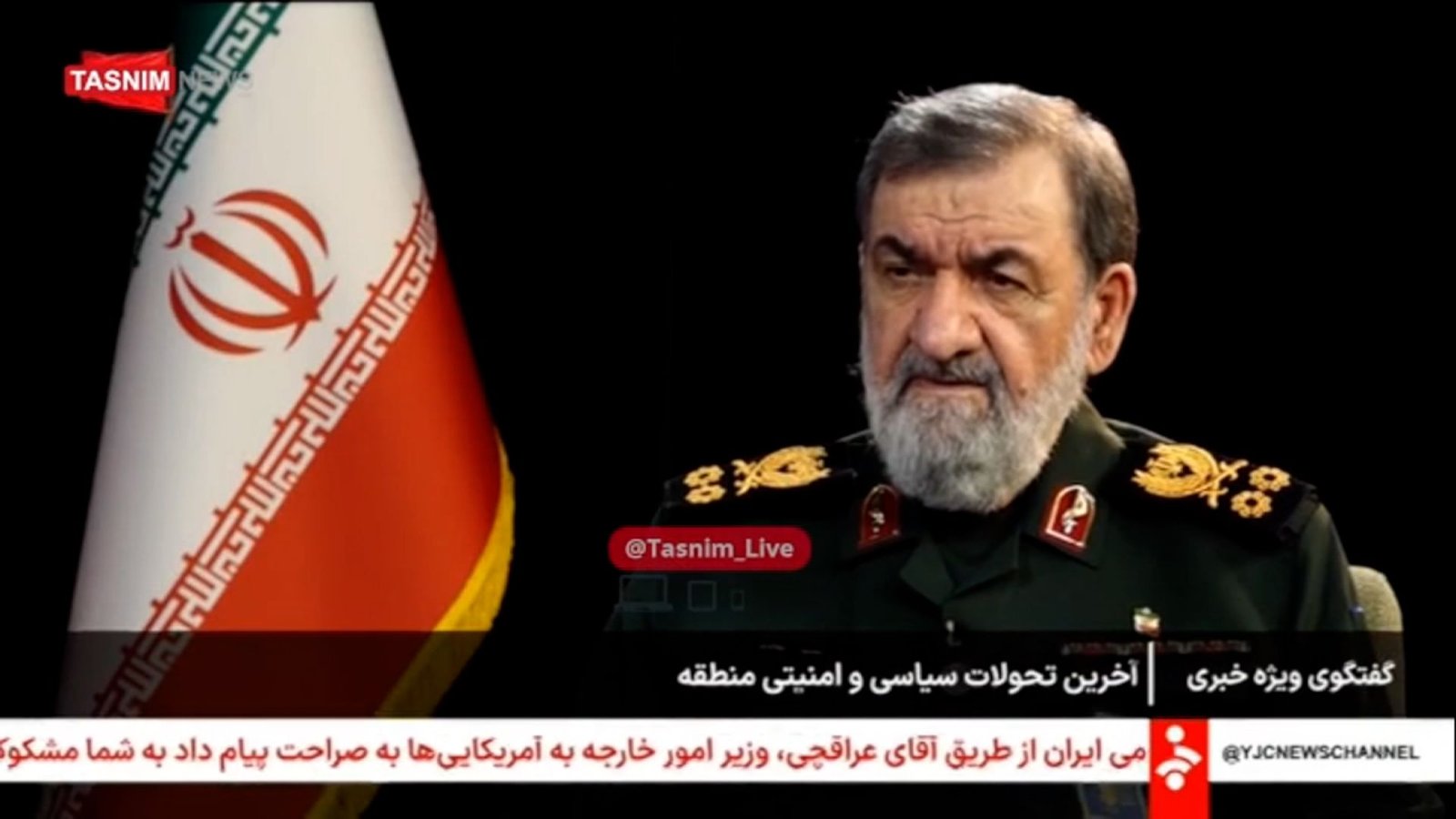
US Vice-President JD Vance sent a letter to Iran’s top security official, Mohsen Rezaei, which Iranian media reported was being reviewed. Trump said the letter concerned an Iranian request for medical supplies, although the development has also raised hopes that communication between the two sides could lead to progress.
Iranian officials have travelled to Qatar for discussions, a Qatari official told CNN. Qatar has played an important role in mediation efforts, although the official said no US delegation was present on Saturday.
Iranian Foreign Ministry spokesperson Esmaeil Baghaei said on Monday that the ball was “entirely in the US’ court”. He also confirmed that exchanges of messages between Washington and Tehran were continuing, according to Iran’s state news agency IRNA.
Baghaei reiterated Tehran’s position that no agreement could be reached and the Strait of Hormuz could not be reopened while the US naval blockade on Iranian ports remained in place.
US Envoy Says a Diplomatic Breakthrough Could Be Close
US ambassador to Turkey and special envoy to Syria and Iraq Tom Barrack offered a more optimistic assessment of the diplomatic situation. Speaking to CNN’s Becky Anderson, he said he believed significant developments could take place within the next two weeks.
“We’re close. I think we’re very close to a place where we can finally say: Let’s just have a time out.”
Barrack said the main obstacle remained a lack of trust between the two sides and uncertainty over which side should make the first move.
US Secretary of State Marco Rubio also said Washington remained open to a diplomatic solution. Speaking at a press conference in Atlanta on Saturday, he declined to confirm whether the latest discussions had produced progress.
“If there is a diplomatic solution, we would be open to it.”
Rubio said talks had continued through direct communication and intermediaries, but he could not provide a timeline for reaching an agreement. He added that any settlement would have to address US national security concerns, particularly Iran’s nuclear programme.
Iran Says It Will Not Compromise Without Its Conditions Being Met
Iranian officials have also expressed doubts about the reliability of negotiations, pointing to previous occasions when the country was attacked while diplomatic discussions were underway.
Mohammad Bagher Ghalibaf, Iran’s parliamentary speaker and the official leading negotiations with the United States, said Tehran’s conditions had already been communicated to mediators.
“Iran’s conditions have been repeatedly and clearly stated to the mediators. The carrot-and-stick approach has no effect on Iran. Progress can only be achieved once Iran’s seven conditions have been agreed upon.”
His remarks underline the gap between the two sides’ positions. Washington has said any agreement must address its core security concerns, while Tehran has insisted that its demands must be accepted and the naval blockade lifted.
Will the Iran War Restart After the US Midterm Elections?
The possibility of renewed fighting remains uncertain. Trump has not confirmed that military strikes will resume after November 3, but his decision not to rule out further action has kept residents, businesses and regional governments on alert.
At the same time, diplomatic exchanges involving the United States, Iran and regional mediators suggest that a negotiated pause remains possible. Qatar’s involvement, continued messages between Washington and Tehran and comments from US officials indicate that diplomatic channels have not closed.
However, significant disagreements remain over Iran’s nuclear programme, the US naval blockade, regional security and the conditions required for an agreement.
For people across the Middle East, the uncertainty means continuing to prepare for possible disruption without knowing whether another round of fighting will begin. The period after the US midterm elections could prove important, but the outcome will depend on decisions by Washington, Tehran and their regional partners.
For breaking news and live news updates, like us on Facebook or follow us on Twitter and Instagram. Read more on Latest World on thefoxdaily.com.






COMMENTS 0