- What Changed in 2026?
- The Real Driver: Fewer Applications, Not More Opportunities
- Why Did Applications Drop So Sharply?
- New Lottery System: Favoring High-Paid Talent
- Who Benefits the Most?
- Who Loses Out?
- Legal Challenges and Uncertainty
- Unique Insight: The “Illusion of Opportunity”
- Global Impact: What This Means for Talent Migration
- Prediction: A More Exclusive H-1B Program
- Conclusion: Easier Lottery, Harder Entry
For years, the H-1B visa lottery has been synonymous with uncertainty low odds, intense competition, and growing frustration among skilled professionals worldwide. But in 2026, something unusual happened: selection rates surged dramatically, in some cases reaching as high as 75%.
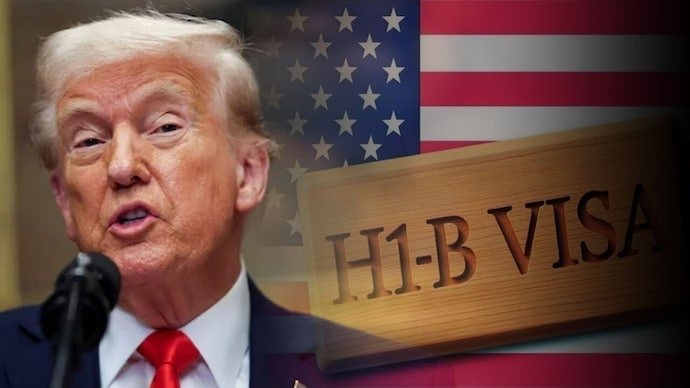
In 2026, the H-1B visa lottery has taken an unexpected turn, with selection rates rising sharply after years of declining odds. Driven by policy changes under the Trump administration and a significant drop in applications, the system is now favoring a smaller pool of highly skilled candidates, reshaping how foreign talent enters the United States.
At first glance, higher selection rates might seem like a win for applicants. But the reality is more complex and reveals a fundamental shift in how the US approaches skilled Immigration.
What Changed in 2026?
The headline number tells the story: selection rates jumped from around 33% in previous years to over 50%, and even 75% for certain categories.
This wasn’t due to an increase in available visas. The annual cap remains:
- 65,000 regular H-1B visas
- 20,000 additional visas for advanced degree holders
Instead, the shift came from a dramatic drop in the number of applicants.
The Real Driver: Fewer Applications, Not More Opportunities
The biggest factor behind improved selection odds is simple economics: fewer people applied.
| Year | Estimated Applications | Selection Odds |
|---|---|---|
| 2023 | 750,000+ | ~33% |
| 2025 | High volume | ~30–35% |
| 2026 | 195,000–235,000 | 50%–75% |
This represents a drop of up to 43% in applications the lowest since the digital lottery system began.
Why Did Applications Drop So Sharply?
1. $100,000 Fee on New H-1B Hires
The most impactful change was the introduction of a $100,000 fee for hiring new H-1B workers from outside the US.
This had immediate consequences:
- Made international hiring prohibitively expensive
- Discouraged universities and hospitals from sponsoring candidates
- Pushed many companies to avoid overseas recruitment entirely
In essence, the policy didn’t expand access it reduced competition.
2. Tech Sector Pullback
The Technology industry, historically the largest user of H-1B visas, has scaled back hiring due to:
- Heavy investment in Artificial Intelligence (AI)
- A shift toward automation and efficiency
- Focus on senior and specialized roles
This reduced demand for entry-level international talent.
3. Employer Uncertainty
Frequent policy changes created hesitation among employers, leading many to adopt a “wait and watch” strategy instead of participating in the lottery.
New Lottery System: Favoring High-Paid Talent
Beyond reducing applications, the Trump administration also restructured how the H-1B lottery works.
From Random to Weighted Selection
The previous system was largely random. The new system prioritizes candidates based on wage levels and experience.
| Criteria | Old System | New System |
|---|---|---|
| Selection Method | Random lottery | Weighted by salary |
| Priority | Equal chance | High earners favored |
| Opportunities | Single entry | Multiple chances (up to 4) |
This change ensures that higher-paid and more experienced professionals have a significantly better chance of selection.
Who Benefits the Most?
1. Candidates Already in the US
Employers can sponsor them without paying the additional fee, making them more attractive hires.
2. Highly Skilled Professionals
Those with advanced degrees or specialized expertise are prioritized under the weighted system.
3. High-Wage Earners
Salary-based selection naturally favors candidates with higher compensation packages.
Who Loses Out?
- Fresh graduates with limited experience
- Small employers unable to afford high costs
- Applicants from abroad without US-based opportunities
This marks a shift from volume-based immigration to value-based selection.
Legal Challenges and Uncertainty
The new policies are already facing legal scrutiny:
- Challenges filed in multiple US federal courts
- Questions over the legality of the $100,000 fee
- Potential future regulations on wage requirements
Even if the fee is overturned, other changes like higher wage thresholds could continue shaping the program.
Unique Insight: The “Illusion of Opportunity”
At first glance, a 75% selection rate sounds like a breakthrough. But in reality, it reflects something else: a shrinking gateway.
This creates what can be called the “illusion of opportunity”:
- Higher success rates for those inside the system
- Fewer total opportunities overall
- Greater barriers for new entrants
In other words, it’s easier to win but fewer people are allowed to play.
Global Impact: What This Means for Talent Migration
1. Shift Toward Other Countries
Skilled workers may increasingly look to countries like Canada, Australia, or Europe.
2. Rise of Remote Work
Companies may hire talent abroad without relocating them to the US.
3. Changing Talent Pipeline
The US may attract fewer early-career professionals but more experienced specialists.
Prediction: A More Exclusive H-1B Program
Looking ahead, the H-1B program is likely to become:
- More selective
- More expensive
- More focused on elite talent
This could redefine the US as a destination not for broad talent pools, but for top-tier professionals.
Conclusion: Easier Lottery, Harder Entry
The surge in H-1B visa selection rates in 2026 is not just a statistical anomaly it’s the result of deliberate policy changes that have reshaped the system.
While applicants WHO entered the lottery this year benefited from improved odds, the broader picture tells a different story: fewer opportunities, higher barriers, and a more selective immigration framework.
The H-1B visa is no longer just competitive it’s becoming exclusive.
And as policies continue to evolve, the future of global talent mobility will depend not just on skill but on access, cost, and strategy.
For breaking news and live news updates, like us on Facebook or follow us on Twitter and Instagram. Read more on Latest World on thefoxdaily.com.






COMMENTS 0