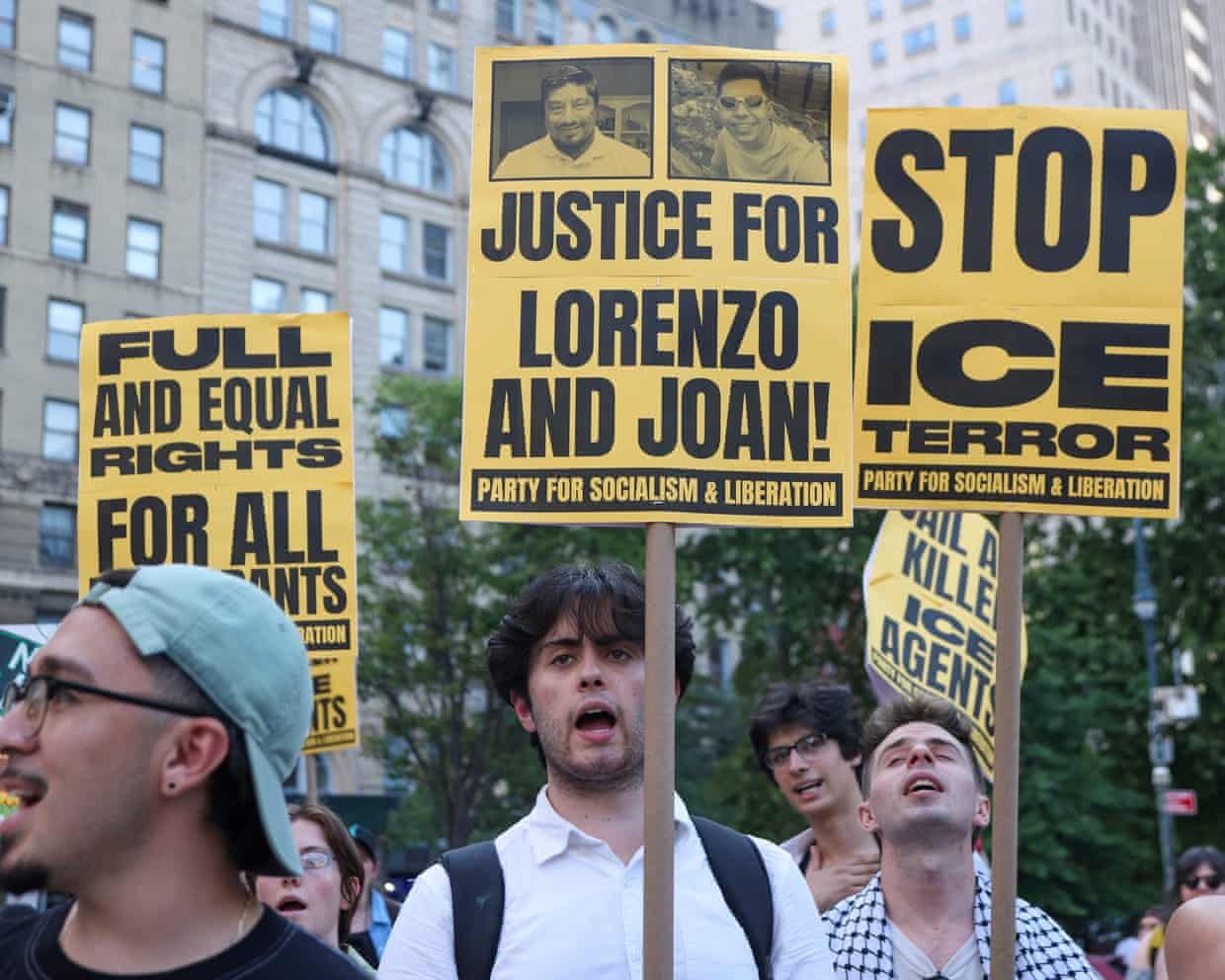
Two fatal shootings involving U.S. Immigration and Customs Enforcement (ICE) officers have reignited a nationwide debate over how immigration enforcement should be conducted in the United States. The deaths of Johan Sebastián Durán Guerrero in Maine and Lorenzo Salgado Araujo in Texas have become focal points in a broader discussion about public safety, law enforcement accountability, civil liberties, and immigration policy.
Although federal authorities maintain that officers acted during official enforcement operations, both incidents have generated significant public criticism because neither man was reportedly the primary target of the investigations. Civil rights organizations, immigrant advocacy groups, legal experts, and elected officials have since called for independent investigations while questioning whether current enforcement practices adequately protect innocent individuals.
The controversy extends far beyond two tragic incidents. It raises fundamental questions about how immigration enforcement agencies identify suspects, conduct surveillance, initiate vehicle stops, and use force in populated communities. As policymakers, legal scholars, and advocacy groups debate potential reforms, these cases have become symbolic of larger concerns surrounding modern immigration enforcement in America.
Why the recent ICE shootings have become a national issue
Immigration enforcement has long been one of the most politically divisive issues in the United States. While supporters argue that ICE plays an essential role in enforcing immigration law and protecting national security, critics contend that aggressive enforcement tactics can place both immigrants and the general public at unnecessary risk.
The recent shootings have intensified this debate because of one shared characteristic: according to public statements, neither deceased individual was the intended target of the enforcement operation that led to the encounter.
That distinction has shifted public discussion from immigration status alone toward broader issues including operational decision-making, mistaken identity, proportional use of force, and accountability after deadly encounters.
Understanding ICE’s role in immigration enforcement
ICE is responsible for enforcing federal immigration laws within the United States. Its responsibilities include locating individuals with final removal orders, investigating immigration-related crimes, dismantling human trafficking organizations, and supporting national security investigations.
Unlike Customs and Border Protection (CBP), which primarily operates at international borders and ports of entry, ICE conducts enforcement operations throughout the country’s interior.
Its officers may carry out:
- Targeted arrests of individuals with removal orders
- Criminal investigations involving immigration violations
- Surveillance operations
- Worksite enforcement
- Detention and deportation procedures
Because these activities frequently occur in residential neighborhoods, workplaces, and public roads, they require careful planning to minimize risks to officers, suspects, and bystanders.
The two incidents that intensified public scrutiny
The deaths in Texas and Maine occurred within days of each other, creating an unusually concentrated period of public attention.
| Incident | Location | Primary Concern Raised |
|---|---|---|
| Lorenzo Salgado Araujo | Houston, Texas | Reportedly not the intended enforcement target |
| Johan Sebastián Durán Guerrero | Biddeford, Maine | Questions surrounding use of force during vehicle stop |
Both cases quickly became subjects of public demonstrations, political debate, and demands for greater transparency from federal authorities.
Although the circumstances differ, critics argue that they illustrate similar operational challenges involving surveillance, vehicle identification, and split-second decisions during enforcement actions.
Why mistaken identity creates unique legal concerns
One of the most significant issues emerging from these cases is the possibility that enforcement actions can affect individuals who were not originally being sought by investigators.
Law enforcement agencies regularly conduct surveillance before making arrests. During these operations, officers may rely on vehicle descriptions, physical characteristics, addresses, intelligence reports, or observed behavior.
While these investigative techniques are common across policing, mistakes in identification can produce serious consequences.
Legal experts note that when deadly force is used against someone who ultimately proves not to be the intended subject of an investigation, public confidence in enforcement agencies can be severely damaged—even before official investigations conclude.
Balancing officer safety with civilian protection
Federal officers routinely operate in uncertain and potentially dangerous environments. Agencies emphasize that officers must make rapid decisions when they believe their safety or the safety of others is threatened.
Supporters of current enforcement practices argue that officers frequently encounter unpredictable situations involving fleeing vehicles, concealed weapons, or rapidly changing circumstances.
Critics, however, argue that the threshold for using deadly force should remain exceptionally high, particularly during immigration-related operations that are not primarily criminal investigations involving violent offenses.
This difference in perspective lies at the center of the national debate.
The growing demand for independent investigations
Following both incidents, advocacy organizations, attorneys, and several elected officials called for investigations independent of the agencies directly involved.
Independent reviews are often requested in officer-involved shootings because they may increase public confidence in the investigative process.
Supporters believe outside investigators can:
- Review body camera footage objectively
- Examine surveillance evidence
- Interview civilian witnesses
- Evaluate officer training
- Assess whether departmental policies were followed
Even when officers are ultimately found to have acted lawfully, transparent investigations are generally viewed as essential for maintaining public trust.
How immigration enforcement has evolved
Immigration enforcement strategies have changed significantly over the past two decades.
Earlier enforcement efforts often focused heavily on workplace raids and detention operations. More recent strategies have increasingly relied on intelligence gathering, surveillance, technology, and targeted operations designed to locate specific individuals.
While these targeted approaches aim to reduce indiscriminate enforcement, recent events demonstrate that complex field operations still carry substantial risks.
Modern enforcement frequently involves coordination between multiple federal agencies, local law enforcement partners, surveillance teams, and intelligence analysts. As operational complexity increases, so does the importance of communication, identification procedures, and tactical decision-making.
The broader impact on immigrant communities
Beyond the legal investigations, the shootings have had a wider social impact.
Community organizations report that high-profile enforcement incidents often increase fear among immigrant families, including individuals who are legally authorized to live or work in the United States.
This fear can influence everyday decisions such as:
- Reporting crimes to police
- Seeking emergency medical care
- Sending children to school
- Attending court proceedings
- Participating in community programs
Researchers have long noted that when communities lose trust in public institutions, cooperation with law enforcement can decline, making criminal investigations more difficult overall.
A broader policy debate begins
The recent ICE shootings have expanded the national conversation beyond the individual incidents themselves. Policymakers are increasingly discussing whether additional reforms are needed regarding operational oversight, officer training, surveillance practices, vehicle stops, and use-of-force standards during immigration enforcement.
Whatever conclusions future investigations reach, these cases have already become an important turning point in the ongoing discussion over how immigration laws should be enforced while protecting constitutional rights, maintaining public confidence, and ensuring the safety of both officers and civilians.
Calls for Policy Reform and Greater Accountability
The recent shootings have intensified discussions about whether existing immigration enforcement policies require significant reforms. While federal officials emphasize the importance of enforcing immigration laws and protecting officers during potentially dangerous operations, advocacy organizations argue that stronger safeguards are needed to reduce the risk of fatal encounters involving individuals who are not the intended targets.
Several policy experts believe the debate is no longer limited to immigration alone. Instead, it now encompasses broader questions about law enforcement transparency, operational oversight, and public accountability. These discussions are likely to influence future legislative proposals, internal agency reviews, and public expectations regarding federal policing practices.
Comparing Immigration Enforcement with Other Federal Operations
Federal agencies across the United States conduct thousands of enforcement operations each year. Agencies such as the FBI, DEA, ATF, and U.S. Marshals Service follow detailed operational planning processes that often include intelligence gathering, risk assessments, and command oversight.
Immigration enforcement operations present unique challenges because officers frequently work in residential neighborhoods, public roads, and workplaces where unintended encounters with family members, coworkers, or bystanders are possible.
| Operational Factor | General Federal Law Enforcement | Immigration Enforcement |
|---|---|---|
| Primary Objective | Investigate criminal offenses | Locate and detain immigration violators |
| Common Locations | Businesses, residences, public areas | Homes, workplaces, neighborhoods, highways |
| Operational Risk | Criminal suspects may be armed | Rapid identification of individuals during public encounters |
| Public Impact | Usually localized investigations | Can affect wider immigrant communities |
This comparison highlights why immigration operations often receive heightened public attention, particularly when they occur in everyday community settings.
The Importance of Public Trust
Trust between law enforcement agencies and local communities plays a significant role in maintaining public safety. When confidence declines, residents may become reluctant to report crimes, cooperate with investigations, or seek assistance during emergencies.
Community leaders argue that transparent communication after high-profile incidents is essential. Timely release of factual information, independent reviews, and clear explanations of investigative findings can help reduce misinformation while allowing the public to better understand what occurred.
Conversely, prolonged uncertainty can fuel speculation and deepen divisions between government institutions and the communities they serve.
Technology Could Shape Future Enforcement
Advances in technology may influence how future immigration enforcement operations are conducted. Agencies increasingly rely on digital intelligence, surveillance systems, license plate recognition, databases, and communication tools to identify individuals before initiating field operations.
Experts suggest that continued improvements in identification technology, information verification, and operational coordination could reduce the likelihood of mistaken encounters.
Potential areas for improvement include:
- Enhanced identity verification before vehicle stops.
- Improved communication between surveillance and arrest teams.
- Expanded use of body-worn cameras during enforcement actions.
- Additional scenario-based officer training.
- Regular reviews of operational procedures following critical incidents.
While technology cannot eliminate every risk, it may help agencies make better-informed decisions during rapidly evolving situations.
Human Impact Beyond the Headlines
Behind every national news story are families coping with profound personal loss. The deaths of Johan Sebastián Durán Guerrero and Lorenzo Salgado Araujo have affected relatives, friends, coworkers, and local communities in different parts of the United States and abroad.
Such incidents often leave lasting emotional and financial consequences for surviving family members. Beyond legal proceedings and public debate, families frequently face funeral expenses, interrupted incomes, prolonged investigations, and significant emotional trauma.
The human dimension serves as a reminder that policy discussions ultimately affect real people whose lives extend far beyond political headlines.
Political Implications Ahead
Immigration has consistently ranked among the most debated public policy issues in the United States. High-profile enforcement incidents often influence political messaging, legislative priorities, and public opinion.
Lawmakers from different political perspectives may use these events to advocate for contrasting approaches. Some may argue for increased oversight, revised enforcement guidelines, or additional accountability measures, while others may emphasize stronger operational support and enhanced protections for federal officers.
As investigations continue, these incidents are likely to remain part of broader discussions about immigration policy, border security, federal law enforcement practices, and civil rights.
What Happens Next?
Several important developments may shape the outcome of these cases in the coming months.
- Completion of official investigations into both shootings.
- Possible publication of additional evidence, including surveillance footage and witness testimony.
- Internal reviews of ICE operational procedures and training.
- Potential congressional discussions regarding immigration enforcement oversight.
- Continued public demonstrations and advocacy efforts seeking policy changes.
The findings of these investigations could influence future operational standards not only for ICE but also for other federal agencies conducting field enforcement activities.
Why This Debate Matters Beyond Immigration
Although these incidents arose during immigration enforcement operations, the broader issues extend to policing principles that affect all communities. Questions surrounding the appropriate use of force, transparency, accountability, constitutional protections, and public confidence apply across every area of law enforcement.
Balancing effective enforcement with civil liberties remains one of the most challenging responsibilities for democratic governments. The ability to protect public safety while preserving individual rights is fundamental to maintaining confidence in legal institutions.
The current debate therefore reaches beyond immigration policy and reflects wider conversations about how government agencies exercise authority in public spaces.
Conclusion
The fatal ICE shootings involving Johan Sebastián Durán Guerrero and Lorenzo Salgado Araujo have become defining moments in the ongoing national discussion surrounding immigration enforcement, accountability, and public trust. While official investigations continue to examine the specific circumstances of each incident, the events have already prompted renewed scrutiny of operational procedures and calls for greater transparency.
Whether future policy changes involve improved training, enhanced oversight, updated operational guidelines, or expanded accountability measures, these cases are likely to influence immigration enforcement discussions for years to come. The challenge facing policymakers is finding an approach that effectively enforces federal law while minimizing unnecessary risks, safeguarding constitutional rights, and maintaining public confidence in the institutions responsible for protecting communities.
As investigations progress and additional facts emerge, the outcomes may help shape not only future ICE operations but also broader standards for federal law enforcement practices across the United States.
For breaking news and live news updates, like us on Facebook or follow us on Twitter and Instagram. Read more on Latest World on thefoxdaily.com.






COMMENTS 0