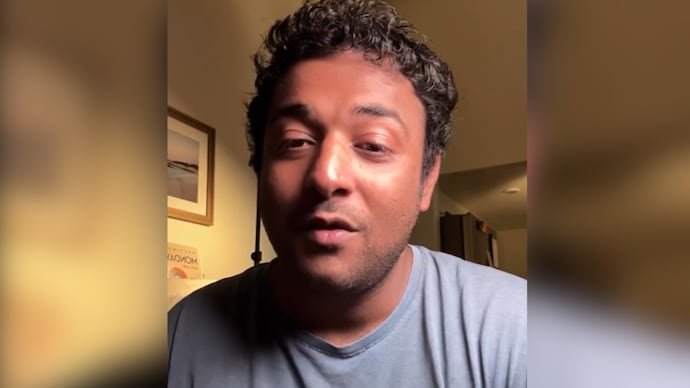
Indian jazz musician Pritesh Walia has been released on bond after spending 14 days in US Immigration and Customs Enforcement (ICE) custody. Walia, who was detained after returning to Los Angeles on August 2, announced his release in a video shared on Social Media and described his time in detention as one of the most difficult experiences of his life.
The New Delhi-born musician said the uncertainty surrounding his detention repeatedly caused him to lose hope. He also thanked his family, girlfriend, lawyer and members of the jazz and wider music community who supported him while he was being held.
Walia was taken to the Adelanto ICE Processing Center in California following his detention. His release on bond ends the immediate period of custody, but the available information does not establish the final status or outcome of his US immigration case.
Why was Pritesh Walia detained by ICE?
Walia was detained by ICE on August 2 after returning to Los Angeles, according to information shared by his friend Liza through his Instagram account. She said she was temporarily managing the musician’s account because his phone and other personal belongings had been taken when he was detained.
In the message, Liza said Walia had been unexpectedly taken into custody after the pair returned to Los Angeles and was subsequently transferred to the Adelanto ICE Processing Center.
She also said Walia’s family and attorneys were working to secure his release.
There has been no official statement from ICE about Walia’s detention in the information provided. Walia has also not publicly disclosed the specific circumstances surrounding his immigration case or the status of his visa.
An older fundraiser connected to his medical treatment had stated that Walia obtained an artist visa to remain in the United States. However, the supplied information does not establish whether that visa was directly related to his detention or whether there were any alleged immigration violations.
That distinction is important. Being detained by immigration authorities does not, by itself, establish that a person has committed an immigration offence or that removal from the United States will follow. The eventual legal outcome depends on the individual’s immigration proceedings and the decisions made through that process.
Walia describes 14 days in detention
After his release, Walia spoke publicly about what he experienced while in custody. In a social media post, he described the 14 days as a period that had changed him and expressed gratitude towards the people who supported him.
He said the experience was something he would not wish on anyone. His comments focused less on the details of his immigration case and more on the psychological impact of being separated from his normal life and uncertain about what would happen next.
For Walia, uncertainty was one of the most difficult aspects of detention.
“When you are sitting in a detention facility, the world feels very small,” he said, describing how easy it was to lose hope while being held away from the outside world.
He said he repeatedly lost hope during the 14-day period but found encouragement after learning that friends, family members, lawyers and people from the music community were working to support him.
According to Walia, hearing that hundreds of messages had been sent in support of him helped him maintain hope during the ordeal.
Music community rallied around the detained musician
Walia’s release followed a period in which his family, legal representatives and friends worked to secure his freedom. His friend Liza had earlier asked supporters for patience while attorneys dealt with the situation.
Following his release, Walia specifically highlighted the support of the jazz and music community. He said the response restored his faith in humanity at a time when he felt isolated.
The support is significant because Walia has built his professional identity within the US music scene over several years. His Career and education in the country have given him connections to musicians and institutions that became part of the support network during his detention.
His social media following also helped spread information about his situation. According to the supplied information, Walia’s Instagram account has more than 57,000 followers, many of whom followed updates during his detention and after his release.
Walia says he will take time to recover
Rather than immediately returning to his professional schedule, Walia said he plans to spend some time away from the spotlight.
He said he wanted to take a few days to heal, breathe and spend time with his loved ones after returning from detention. That decision reflects the personal impact he says the experience had on him.
The musician’s comments also indicate that his release on bond has not necessarily brought complete certainty about what comes next. He has spoken about feeling “completely broken” at times and remains uncertain about the eventual outcome of his situation.
For now, his focus appears to be recovery and reconnecting with the people who supported him during his 14 days in custody.
From New Delhi to the US jazz scene
Walia’s story in the United States began long before his immigration detention. According to his official website, the musician was born in New Delhi and began learning Indian Classical Music at the age of 13.
He later travelled to the United States to pursue higher education in music. His academic journey included study at several recognised music institutions.
Walia earned an Associate’s degree from the Musicians Institute in Los Angeles before completing a Bachelor’s degree at Berklee College of Music. He later earned a Master’s degree from the New England Conservatory.
Those institutions helped shape a musical career that eventually connected him with the US jazz community. His background also reflects a journey between Indian musical traditions and the broader American music education and performance environment.
Building a career in the United States
Walia developed his professional presence within the US music scene over the years and also built an audience online. His social media following has given him a platform extending beyond live performances and traditional music networks.
That audience became particularly important during his detention. Updates posted through his Instagram account allowed friends and supporters to communicate what was happening while Walia himself did not have access to his phone.
The initial update from Liza explained that Walia’s personal belongings had been taken when he was detained and that he could not access them. She said his family and attorneys were working on the situation and promised further updates when possible.
His eventual return to social media after release marked a significant change in the situation, allowing him to directly thank the people who had supported him.
Walia’s health challenges add another layer to his story
Walia’s musical career has also unfolded alongside significant health challenges. Information published on his website states that he was diagnosed with multiple chronic conditions several years ago.
He has described experiencing symptoms including persistent vertigo, dissociation, oscillopsia, blurred vision and problems with balance.
The supplied information does not establish whether these health conditions played any role in his ICE detention or his immigration proceedings. They are part of his broader personal history and had previously been discussed in connection with fundraising for medical treatment.
For that reason, it would be inappropriate to connect his medical circumstances with the immigration case without further evidence.
What does release on bond mean?
Walia’s release on bond marks the end of his reported 14-day period in ICE custody, but it should not be interpreted as the conclusion of his immigration matter.
Release on bond generally means an individual can remain outside immigration detention while the relevant legal proceedings continue, subject to the conditions attached to the release. The supplied information does not provide the amount of Walia’s bond or the specific conditions imposed in his case.
It also does not state whether his immigration status has been resolved or whether further proceedings are scheduled.
That uncertainty explains why Walia has continued to speak about not knowing what will happen next. His immediate freedom and the eventual resolution of his immigration situation are separate matters.
No official ICE explanation has been provided
One of the key unanswered questions surrounding the case is why Walia was detained.
The information available for this report does not include an official explanation from ICE. Walia has also not disclosed the specific details of his immigration status or the circumstances that led to the detention.
As a result, claims about the reason for his detention would go beyond the available evidence. The only confirmed sequence from the supplied account is that he was detained after returning to Los Angeles on August 2, transferred to the Adelanto ICE Processing Center, spent 14 days in custody and was subsequently released on bond.
Any further conclusions will require additional information from Walia, his legal representatives or US immigration authorities.
What happens next for Pritesh Walia?
For the musician, the immediate priority is recovery after a period he has described as deeply difficult. He has indicated that he plans to spend time with his family and girlfriend and step back temporarily from public activity.
The longer-term question is his immigration case. His release on bond means he is no longer in detention, but the available information does not indicate that the underlying matter has been resolved.
His supporters in the jazz and music community are likely to remain interested in the case, particularly after the network rallied around him during his detention. Walia’s own comments suggest that this support played an important emotional role during the 14 days he spent in custody.
His journey from learning Indian Classical Music in New Delhi at 13 to studying at major American music institutions and building a career in the US jazz community makes the detention especially significant for his supporters. But the immigration questions surrounding his case remain unanswered.
A difficult chapter, but not the end of his musical journey
Pritesh Walia’s release on bond closes one of the most difficult chapters he says he has experienced, but it does not yet provide a final answer about his future in the United States.
For 14 days, the musician was separated from his family, friends, music career and online audience while being held in immigration custody. His own account of that period centres on uncertainty, isolation and the emotional importance of knowing that people outside the detention facility were fighting for him.
Now back with his loved ones, Walia says he intends to take time to recover. The next stage will depend on his ongoing immigration proceedings, the details of which have not been publicly disclosed in the information available.
What is clear is that the detention has had a profound personal impact on the New Delhi-born musician. His release allows him to reconnect with his community and begin recovering, while the legal questions surrounding his US immigration status remain unresolved.
For breaking news and live news updates, like us on Facebook or follow us on Twitter and Instagram. Read more on Latest World on thefoxdaily.com.






COMMENTS 0