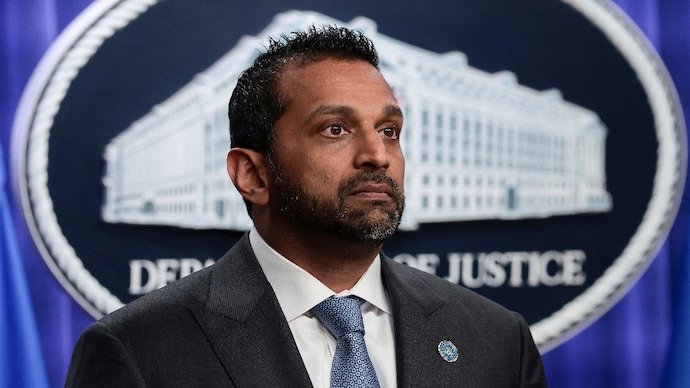
The US Federal Bureau of Investigation (FBI) has launched limited law enforcement partnerships with China and Russia to combat transnational crimes such as cyber fraud, fentanyl trafficking and child sexual exploitation, according to FBI Director Kash Patel.
In interviews with Reuters, Patel described the new arrangements as narrowly focused collaborations designed to address criminal networks that operate across international borders. While he argued that the partnerships could produce tangible benefits for the United States, the initiative has also prompted debate among current and former security officials over the risks of cooperating with two countries long viewed as strategic rivals.
The development represents a notable change in the FBI’s approach, which has traditionally treated China and Russia primarily as counterintelligence and National Security challenges rather than operational partners in criminal investigations.
What Kash Patel Announced
According to Patel, the FBI has established specialised “working groups” with Chinese and Russian law enforcement agencies to investigate selected categories of international crime.
He said these collaborations are confined to specific areas where cooperation is considered mutually beneficial, including:
- Cyber fraud investigations.
- Counter-narcotics operations targeting fentanyl and precursor chemicals.
- Cases involving child sexual exploitation and abuse material.
- Efforts to locate and apprehend fugitives.
Patel stressed that the initiative does not extend to broader intelligence sharing or national security cooperation.
“They are both new and dynamic relationships, and we are extremely mindful of their adversarial approach on many matters,” Patel said. “They are not going to stop, but if we can go and have wins for America, then we must engage.”
How the FBI-China Cooperation Is Working
Patel said the FBI and China’s Ministry of Public Security (MPS) have begun regular exchanges involving working-level officers.
According to his account, Chinese officials have visited FBI facilities in the United States, while FBI personnel have travelled to China to coordinate investigations and exchange information related to specific criminal cases.
“Every month, they send their working-level MPS officers here, and the following month we go there,” Patel said. “They are speaking with us daily, which has also never happened before.”
Patel returned from a visit to Beijing in late July, and FBI officials indicated that a similar trip to Russia has been tentatively planned for October.
Joint Operations Already Conducted
The FBI says the cooperation has already resulted in several multinational operations.
One example cited was Operation Sand Dollar, carried out in May with China’s Ministry of Public Security and Dubai police.
According to the FBI, the operation resulted in:
- Approximately 300 arrests.
- The seizure of about $300 million.
- The rescue of thousands of trafficked workers.
The FBI also said Chinese authorities assisted in investigations involving fentanyl precursor chemicals and participated in operations targeting online child sexual abuse networks.
An internal FBI memorandum viewed by Reuters reportedly stated that cooperation with Chinese authorities contributed to arrests, the closure of chemical production facilities and the seizure of precursor chemicals believed to have been intended for illicit drug production.
Why the Cooperation Is Considered Unusual
The partnerships represent a significant departure from longstanding US Policy.
For years, American officials have frequently accused China and Russia of engaging in cyber espionage, intellectual property theft, influence operations and other activities considered harmful to US national security.
As a result, cooperation between American and Chinese or Russian law enforcement agencies has generally been limited and highly selective.
The new working groups therefore represent a shift toward issue-specific collaboration despite continuing geopolitical rivalry.
Counterintelligence Experts Raise Concerns
Not everyone supports the initiative.
Several former US security officials have questioned whether the operational benefits outweigh the intelligence risks associated with allowing officials from rival countries access to American law enforcement facilities.
Former FBI supervisory agent Jeff Crocker told Reuters that China and Russia remain strategic adversaries of the United States.
“China and Russia are our enemies, period,” Crocker said.
He argued that visits to FBI facilities could provide opportunities for intelligence gathering or infiltration, even if the official purpose is law enforcement cooperation.
Patel rejected those concerns, saying all visiting foreign officials undergo extensive security vetting and are subject to established counterintelligence safeguards.
How the FBI Says Security Risks Are Managed
According to Patel, the agency has implemented strict procedures to reduce potential security risks during these exchanges.
He said foreign officials are carefully vetted before participating in meetings or visiting FBI facilities.
Former FBI personnel quoted by Reuters also noted that visits involving officials from countries considered intelligence threats are typically accompanied by heightened electronic and physical monitoring.
“We know exactly who is coming here, and we vet them,” Patel said.
The Fentanyl Challenge
One of the primary areas of cooperation is combating fentanyl and its precursor chemicals.
Fentanyl remains a major Public health challenge in the United States, where authorities have long sought stronger international cooperation to disrupt supply chains.
According to Reuters, an FBI memorandum credited cooperation with Chinese authorities in multiple operations involving pharmaceutical companies, resulting in arrests, chemical seizures and the closure of production facilities.
At the same time, experts caution that measuring the precise impact of international cooperation on fentanyl-related deaths remains difficult because multiple factors influence overdose trends.
Brookings Institution senior fellow Vanda Felbab-Brown told Reuters that cooperation has likely contributed to progress but should be viewed alongside other public health and enforcement measures.
Child Exploitation Investigations
Patel also highlighted cooperation on child sexual exploitation investigations.
According to the FBI, Chinese law enforcement worked with the bureau’s Omaha field office during an operation in June targeting an international child sexual abuse material network.
The operation reportedly led to the arrest of 16 suspects.
Patel described crimes involving children as one of the areas where international cooperation can deliver clear public safety benefits despite broader geopolitical disagreements.
How This Fits Into Broader US Foreign Policy
The FBI’s law enforcement partnerships exist alongside continued strategic competition between Washington, Beijing and Moscow.
The United States continues to identify China and Russia as major geopolitical competitors across areas including security, technology and global influence.
Patel emphasised that the working groups should not be interpreted as replacing America’s traditional intelligence alliances.
He specifically noted that the Five Eyes intelligence partnership involving the United States, Canada, the United Kingdom, Australia and New Zealand remains America’s primary intelligence-sharing framework.
“Five Eyes will always be our most important intelligence relationship. No one is trying to replace that,” Patel said.
Timeline of Recent Developments
| Period | Development |
|---|---|
| May 2025 | President Donald Trump’s visit to China was followed by expanded law enforcement engagement. |
| Past year | FBI established working groups with China covering cybercrime, fentanyl, child exploitation and fugitives. |
| May 2026 | Operation Sand Dollar involved the FBI, Chinese authorities and Dubai police. |
| Late July 2026 | Kash Patel visited Beijing for discussions on expanding practical law enforcement cooperation. |
| Planned for October 2026 | FBI officials say a similar visit to Russia is tentatively planned. |
Why the Announcement Matters
The FBI’s decision illustrates the increasingly complex nature of modern international crime.
Cyber fraud, synthetic drug trafficking and online child exploitation frequently involve criminal networks operating across multiple countries, making international cooperation an important investigative tool.
At the same time, collaboration with strategic rivals presents difficult questions about balancing public safety objectives with national security considerations.
The debate reflects a broader challenge facing governments worldwide: combating global criminal organisations while protecting sensitive intelligence and security interests.
What Could Happen Next?
The future of these working groups will likely depend on whether they continue to produce measurable law enforcement results while maintaining appropriate security safeguards.
Further operations targeting Cybercrime, fentanyl trafficking and child exploitation may provide additional evidence about the effectiveness of the approach. At the same time, policymakers and intelligence officials are likely to continue scrutinising the partnerships to ensure that cooperation on criminal matters does not compromise broader national security priorities.
For now, the FBI maintains that these collaborations are narrowly focused, carefully monitored and intended to address specific transnational crimes rather than signal a broader shift in US intelligence alliances or foreign policy.
For breaking news and live news updates, like us on Facebook or follow us on Twitter and Instagram. Read more on Latest World on thefoxdaily.com.






COMMENTS 0