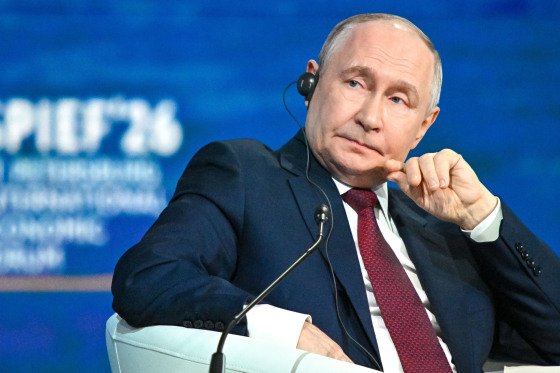
The war between Russia and Ukraine has entered another critical phase, with Energy Infrastructure emerging as one of the conflict’s most significant battlegrounds. Ukraine’s continued long-range strikes on Russian Oil Refineries have disrupted fuel production, created localized shortages, and increased pressure on one of Russia’s most important economic sectors. Despite these setbacks, Russian President Vladimir Putin has publicly dismissed the impact as manageable, insisting that military operations will continue until Moscow achieves its stated objectives.
At the same time, hopes for a negotiated Ceasefire remain limited. Russia continues to reject proposals that it believes would provide Ukraine with military advantages, while Kyiv maintains that any lasting peace must respect Ukraine’s sovereignty and territorial integrity. As both sides pursue contrasting military and diplomatic strategies, the conflict increasingly reflects a prolonged war of endurance involving military operations, economic resilience, and strategic infrastructure.
The latest developments illustrate how modern warfare extends far beyond the battlefield. Energy systems, logistics networks, industrial capacity, and civilian infrastructure have become central components of both countries’ broader military strategies.
Ukraine Expands Its Campaign Against Russian Energy Infrastructure
Since early spring, Ukraine has significantly expanded attacks targeting oil refineries and related energy facilities inside Russia and in territories controlled by Moscow.
Unlike conventional battlefield operations, these strikes are designed to reduce Russia’s ability to sustain military logistics while increasing economic pressure without directly targeting civilian populations.
According to publicly reported figures, dozens of attacks have targeted refining facilities, fuel depots, and other strategic energy assets over recent months.
These operations reflect Ukraine’s broader strategy of using long-range precision capabilities to disrupt critical infrastructure supporting Russia’s war effort.
Why Oil Refineries Are Strategic Military Targets
Oil refineries play a vital role in any modern economy, but they become even more important during wartime because they supply fuel required for military and civilian transportation.
Refineries produce:
- Gasoline for civilian vehicles.
- Diesel fuel for military equipment.
- Aviation fuel.
- Industrial petroleum products.
- Lubricants used by defense industries.
Damage to refining facilities can affect transportation, logistics, industrial production, and military operations simultaneously, making them strategically valuable targets.
Fuel Shortages Reportedly Increase Across Russia
Publicly available reports indicate that fuel production has declined as several refining facilities sustained damage. Localized shortages have reportedly appeared in multiple regions, with some areas introducing temporary fuel distribution measures to manage available supplies.
Motorists in certain locations have experienced longer waiting times at fuel stations, while authorities have discussed measures intended to stabilize supply during repair efforts.
Crimea has reportedly experienced some of the most significant fuel distribution challenges following repeated attacks on nearby energy infrastructure.
Reported Impact on Refining Capacity
| Reported Development | Potential Effect |
|---|---|
| Damage to multiple refineries | Reduced fuel production capacity. |
| Lower gasoline output | Regional fuel shortages. |
| Repair delays | Extended recovery timeline. |
| Fuel rationing in some areas | Controlled distribution of available supplies. |
| Additional air defense deployment | Greater protection of strategic infrastructure. |
The exact extent of operational disruption continues to evolve as repairs proceed and new attacks occur.
Putin’s Response
Russian President Vladimir Putin has acknowledged that the country is experiencing a challenging period regarding fuel supplies but has characterized the situation as temporary rather than critical.
According to official statements, Russia plans to accelerate repairs to damaged facilities, strengthen air defense systems protecting strategic infrastructure, and consider additional measures to stabilize fuel availability.
Putin has also maintained that the refinery attacks will not alter Russia’s military objectives or compel Moscow to accept ceasefire conditions it considers unfavorable.
Why Energy Infrastructure Matters in Modern Warfare
Modern conflicts increasingly extend beyond direct military engagements. Strategic infrastructure including energy facilities, transportation networks, communications systems, and industrial production plays a decisive role in sustaining long-term military operations.
Attacks on energy infrastructure can influence:
- Military logistics.
- Transportation efficiency.
- Industrial output.
- Economic stability.
- Public confidence.
- Operational flexibility.
Because energy networks support both civilian life and military operations, they often become important strategic objectives during prolonged conflicts.
The Ceasefire Stalemate Continues
Diplomatic efforts remain deadlocked as both Russia and Ukraine continue to maintain fundamentally different positions regarding conditions for a ceasefire.
Russia has stated that any pause in fighting must address its broader security objectives, while Ukraine argues that a ceasefire should not compromise its internationally recognized sovereignty.
The differing positions make immediate progress toward a comprehensive agreement difficult.
Comparison of Publicly Stated Positions
| Issue | Russia’s Public Position | Ukraine’s Public Position |
|---|---|---|
| Ceasefire | Conditional upon broader security demands. | Supports ceasefire without compromising sovereignty. |
| Territorial Status | Maintains claims over occupied territories. | Seeks restoration of territorial integrity. |
| Military Operations | Continue until strategic objectives are achieved. | Continue defensive and counteroffensive operations. |
| Negotiations | Supports dialogue under stated conditions. | Supports negotiations consistent with international law. |
These differing priorities remain one of the principal obstacles to ending the conflict.
Economic Consequences Beyond the Battlefield
Damage to energy infrastructure extends beyond military logistics and affects wider economic activity.
Potential consequences include:
- Higher transportation costs.
- Industrial production disruptions.
- Supply chain delays.
- Increased repair expenditures.
- Greater pressure on government budgets.
For energy-exporting countries, refinery disruptions may also affect domestic fuel markets even when crude oil production remains relatively stable.
Military Logistics and Operational Tempo
Military analysts frequently note that fuel availability is one of the most important factors influencing operational effectiveness during prolonged conflicts.
Armored vehicles, transport trucks, aircraft, engineering equipment, and supply convoys all depend on continuous fuel supplies. Even temporary disruptions can complicate planning and increase logistical challenges.
At the same time, governments often develop contingency plans, alternative supply routes, and reserve stockpiles to reduce vulnerability to infrastructure attacks.
Humanitarian Cost of the Continuing War
While attention often focuses on military developments, civilians continue to bear the greatest burden of the conflict.
The war has resulted in:
- Thousands of civilian casualties.
- Large-scale displacement.
- Damage to homes and public infrastructure.
- Disruptions to healthcare and education.
- Economic hardship across affected regions.
Repeated attacks on urban areas, regardless of the responsible party, continue to generate significant humanitarian concerns and complicate recovery efforts.
Expert Insight: Infrastructure Warfare Is Reshaping Modern Conflicts
Military strategists increasingly describe energy infrastructure as a critical element of contemporary warfare. Rather than relying exclusively on frontline engagements, modern conflicts frequently involve efforts to weaken an opponent’s logistical capacity through precision strikes on industrial and transportation networks.
However, infrastructure warfare also carries broader economic and humanitarian consequences, making it one of the most closely scrutinized aspects of modern military strategy.
What Comes Next?
The coming months are likely to see continued efforts by both sides to balance military operations with strategic economic objectives. Russia is expected to continue repairing damaged refineries while strengthening air defenses around critical infrastructure. Ukraine, meanwhile, may continue targeting logistical assets that support military operations if it assesses them to be lawful military objectives under its operational strategy.
Diplomatic negotiations are also expected to remain difficult unless both sides identify sufficient common ground to begin substantive discussions. International mediation efforts may continue, but meaningful progress will likely depend on developments both on the battlefield and in broader political negotiations.
Future Outlook
The Russia-Ukraine conflict increasingly reflects a prolonged contest of resilience rather than rapid territorial change. Military operations, industrial capacity, Energy Security, and economic endurance are becoming as influential as battlefield engagements in shaping the trajectory of the war.
Whether the conflict moves toward renewed diplomacy or further escalation will depend on military developments, domestic political considerations, and the willingness of both parties to engage in sustained negotiations. Until then, strategic infrastructure including oil refineries and energy facilities is likely to remain a central focus of military planning.
Conclusion
Ukraine’s sustained campaign targeting Russian Oil refineries has added a significant economic dimension to the ongoing conflict by increasing pressure on fuel production and logistical systems. While Russian authorities maintain that the disruptions are manageable and temporary, the attacks demonstrate how modern warfare increasingly extends beyond traditional battlefields into critical infrastructure.
At the same time, the continued absence of agreement on ceasefire conditions underscores the considerable diplomatic challenges facing both sides. As military operations continue alongside competing political objectives, the conflict remains characterized by strategic endurance, infrastructure resilience, and complex international implications that extend well beyond the immediate front lines.
For breaking news and live news updates, like us on Facebook or follow us on Twitter and Instagram. Read more on Latest World on thefoxdaily.com.






COMMENTS 0