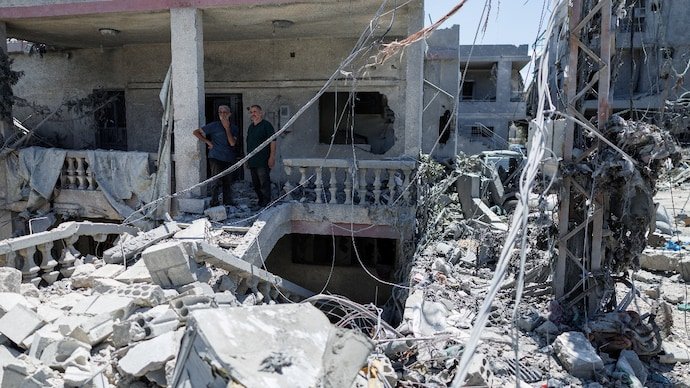
The attacks mark the first major military escalation in Lebanon since the signing of the 14-point US-Iran Memorandum of Understanding (MoU) at the Palace of Versailles. The agreement, signed by US President Donald Trump, called for an end to military operations on all fronts linked to the conflict, including Lebanon.
However, events on the ground suggest that implementing such a broad Ceasefire may be far more complicated than negotiators envisioned.
Israeli Military Says Strikes Targeted Hezbollah
The Israeli military confirmed it carried out overnight strikes across several locations in southern Lebanon. According to Israeli officials, the attacks targeted Hezbollah fighters, military Infrastructure, weapons facilities, and operational positions.
Israel argued that the operation was necessary because Hezbollah had repeatedly violated existing ceasefire understandings and continued military activity near the border.
Military officials stated that operations remained ongoing and that the Security situation in southern Lebanon continued to be active and volatile.
Israeli authorities maintain that they reserve the right to act against threats posed by Hezbollah regardless of broader diplomatic developments involving Iran and the United States.
At Least 15 Reported Dead
According to reports from Lebanon, the strikes caused significant casualties across multiple locations.
Lebanese state media reported drone strikes and air attacks in areas including Kfar Tebnit and Zabadin, resulting in multiple fatalities and injuries.
Several residential and vehicle targets were reportedly hit during the operations.
The casualty figures have intensified concerns that the region could once again slide into a broader conflict despite recent diplomatic efforts.
Why The Timing Matters
The timing of the strikes has drawn international attention because they occurred immediately after the US-Iran agreement signed at Versailles.
The memorandum outlined an immediate end to hostilities involving the United States, Iran, and allied groups operating across multiple regional fronts.
One of the key provisions specifically referenced Lebanon, where Iran-backed Hezbollah has remained a central player in the wider confrontation.
Following the signing ceremony, President Trump publicly emphasized that Washington expected a “complete ceasefire on all fronts,” including conflicts involving Hezbollah and Israel.
He also urged regional actors to avoid actions that could derail ongoing negotiations aimed at converting the temporary framework into a comprehensive long-term settlement.
The latest Israeli operations therefore raise questions about how the ceasefire provisions will be interpreted and enforced in practice.
Hezbollah Claims It Repelled Israeli Operations
Hezbollah presented a very different version of events.
The group claimed that its fighters successfully halted a four-day Israeli military operation in southern Lebanon.
According to Hezbollah, its forces used drones, rockets, and artillery to target Israeli troops and armored vehicles attempting to advance toward strategic areas near Kfar Tebnit.
The organization said Israeli forces failed to achieve their objectives and were forced to halt their advance.
These competing narratives highlight the difficulty of verifying battlefield developments in a highly contested Environment.
A Major Test for the US-Iran Agreement
The renewed violence represents one of the first major challenges facing the newly signed US-Iran peace framework.
The agreement was designed to create a 60-day negotiating window during which both sides would work toward a permanent settlement covering issues such as:
- Regional military operations
- Maritime security
- Sanctions relief
- Nuclear commitments
- Freedom of navigation
- Future security arrangements
Supporters of the accord argued that it could prevent a wider regional war and stabilize tensions across the Middle East.
Critics, however, warned that the agreement left several unresolved issues, particularly regarding Hezbollah, Israel’s security concerns, and Iran’s regional influence.
The strikes in Lebanon may reinforce concerns that local conflicts cannot be automatically resolved through agreements reached between Washington and Tehran.
Regional Implications
Lebanon remains one of the most sensitive fronts in the Middle East security landscape.
Any sustained escalation between Israel and Hezbollah risks drawing in additional regional actors and undermining broader diplomatic efforts.
For the United States, the incident creates an early diplomatic challenge. Washington must now balance support for Israel’s security concerns with its commitment to implementing the newly signed agreement with Iran.
For Iran, continued violence involving Hezbollah could complicate efforts to secure sanctions relief and advance negotiations under the 60-day framework.
For Lebanon, already facing severe economic and political challenges, renewed military confrontation threatens further instability.
What Happens Next?
The coming days will likely determine whether the Lebanon strikes are an isolated episode or the beginning of a larger breakdown in ceasefire efforts.
Diplomatic attention is expected to focus on preventing additional escalation while keeping negotiations between the United States and Iran on track.
If hostilities continue, critics of the Versailles agreement may argue that the accord lacks effective enforcement mechanisms. If violence subsides quickly, supporters could point to the incident as a temporary setback rather than a fatal blow to the peace process.
For now, the attacks in southern Lebanon serve as a reminder that while agreements can be signed in diplomatic halls, lasting peace ultimately depends on events unfolding far from negotiating tables.
For breaking news and live news updates, like us on Facebook or follow us on Twitter and Instagram. Read more on Latest World on thefoxdaily.com.





COMMENTS 0