- What Exactly Did India Say?
- Why India Chose a Guarded Response
- How the Controversy Began
- The US Response: Damage Control Mode
- Global Reactions: Iran Enters the Debate
- The Strategic Context: Why This Moment Matters
- Comparison: Strong vs Measured Diplomatic Responses
- The Missing Insight: Diplomacy in the Age of Viral Statements
- What This Means for India-US Relations
- Future Outlook: Will Such Controversies Continue?
- Conclusion: Strategy Over Sentiment
A Diplomatic Tightrope
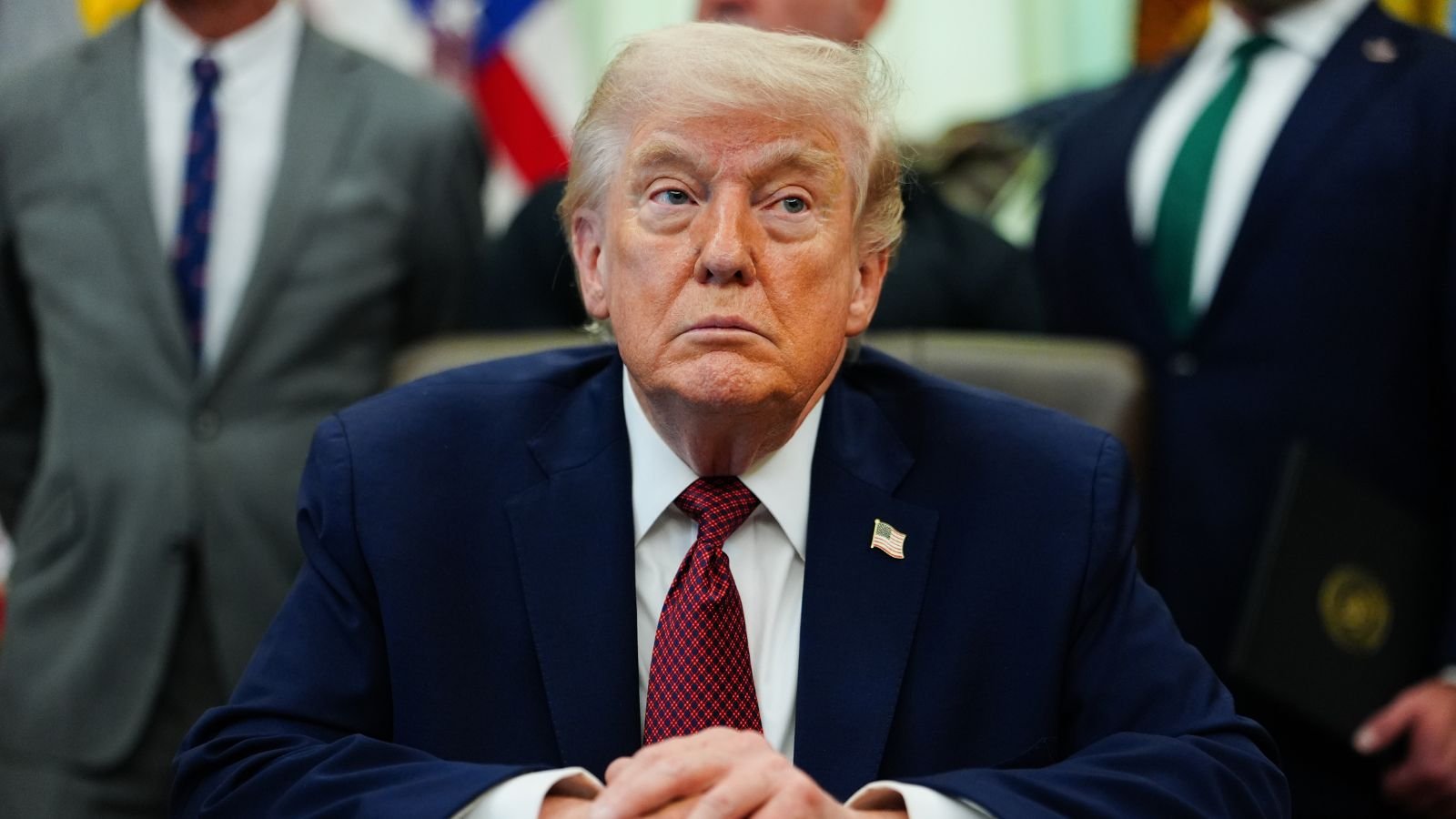
When Donald Trump amplified remarks describing countries like India as “hellholes,” it sparked immediate global attention. But India’s response stood out not for its aggression, but for its restraint.
Instead of launching a direct attack, New Delhi chose a calibrated approach. The initial reaction was cautious, almost understated. Yet, within hours, the tone sharpened without escalating into a full-blown diplomatic confrontation.
This raises an important question: Why did India respond the way it did and what does it reveal about its global strategy?
What Exactly Did India Say?
The first official response came from the Ministry of External Affairs (MEA), where spokesperson Randhir Jaiswal briefly acknowledged the Controversy, saying:
“We’ve seen some reports. That’s where I’ll leave it.”
This minimal response reflected a deliberate choice to avoid immediate escalation.
However, as the controversy grew, India’s position became clearer. A subsequent statement described the remarks as:
- Uninformed
- Inappropriate
- In poor taste
At the same time, India emphasized that such comments do not reflect the broader strength of India-US Relations.
Key Insight: India criticized the statement but avoided personalizing the criticism.
Why India Chose a Guarded Response
India’s reaction was not accidental. It reflects a broader diplomatic philosophy rooted in strategic restraint.
1. Protecting a Critical Bilateral Relationship
The United States remains one of India’s most important partners across multiple domains:
- Trade and investment
- Defense cooperation
- Technology and innovation
A harsh response could risk unnecessary friction in a relationship that is central to India’s global ambitions.
2. Separating Policy from Rhetoric
India’s response suggests a clear distinction between:
- Political statements
- Long-term strategic interests
By not overreacting, India signaled that rhetoric will not derail policy continuity.
3. Maintaining Diplomatic Maturity
In global Diplomacy, restraint often carries more weight than outrage.
India’s approach projects:
- Confidence
- Stability
- Strategic patience
Unique Insight: Sometimes, what a country chooses not to say is as important as what it says.
How the Controversy Began
The issue originated from a broader debate in the United States over birthright citizenship.
Trump shared content from a conservative commentator criticizing the policy, which grants citizenship to most individuals born on US soil.
The remarks included:
- Criticism of immigration policies
- Claims about misuse by foreign nationals
- Derogatory references to countries like India and china
This turned a domestic US issue into an international diplomatic incident.
The US Response: Damage Control Mode
Following the backlash, a US Embassy spokesperson clarified that Trump views India positively, calling it:
- A “great country”
- Led by a “good friend”
This rapid clarification highlights how sensitive such statements can be in International Relations.
Insight: Diplomatic repair mechanisms often activate quickly when strategic partners are involved.
Global Reactions: Iran Enters the Debate
The controversy did not remain confined to India-US relations.
Iran responded strongly, defending India and China as “cradles of civilisation” and criticizing the US in return.
This added another layer to the situation transforming it into a broader geopolitical narrative.
Key Point: Third-party reactions can amplify bilateral tensions into global debates.
The Strategic Context: Why This Moment Matters
This controversy is unfolding against a complex geopolitical backdrop:
- A fragile US-Iran ceasefire
- Ongoing tensions in the Middle East
- Global competition for influence
At the same time, India is navigating:
- Energy security concerns
- Trade relationships
- Strategic partnerships with multiple global powers
This makes diplomatic balance more critical than ever.
Comparison: Strong vs Measured Diplomatic Responses
| Approach | Characteristics | Outcome |
|---|---|---|
| Aggressive Response | Public criticism, escalation | Short-term satisfaction, long-term risk |
| Measured Response | Calm, strategic messaging | Preserves relationships, maintains leverage |
India clearly chose the second path.
The Missing Insight: Diplomacy in the Age of Viral Statements
In today’s digital world, statements spread instantly and globally.
This creates new challenges for diplomacy:
- Rapid response expectations
- Public pressure for strong reactions
- Risk of misinterpretation
India’s approach shows an understanding of this reality responding without fueling the cycle.
Unique Perspective: Modern diplomacy is as much about managing narratives as it is about managing relationships.
What This Means for India-US Relations
Despite the controversy, the fundamentals of the relationship remain strong.
Key pillars include:
- Defense partnerships
- Technology collaboration
- Shared geopolitical interests
India’s response indicates that it is focused on long-term alignment rather than short-term rhetoric.
Future Outlook: Will Such Controversies Continue?
Given the nature of global Politics, similar incidents are likely.
Possible trends include:
- Increased politicization of immigration debates
- More frequent rhetorical clashes
- Greater importance of diplomatic messaging
For India, the challenge will be to maintain its balance asserting its position without disrupting key partnerships.
Conclusion: Strategy Over Sentiment
India’s response to Trump’s “hellhole” remark was not weak it was strategic.
By combining restraint with clarity, New Delhi managed to:
- Defend its national image
- Avoid unnecessary escalation
- Preserve a crucial global partnership
In an era of rapid-fire global reactions, this approach stands out.
Because in diplomacy, the strongest move is not always the loudest it is often the most calculated.
For breaking news and live news updates, like us on Facebook or follow us on Twitter and Instagram. Read more on Latest India on thefoxdaily.com.





COMMENTS 0