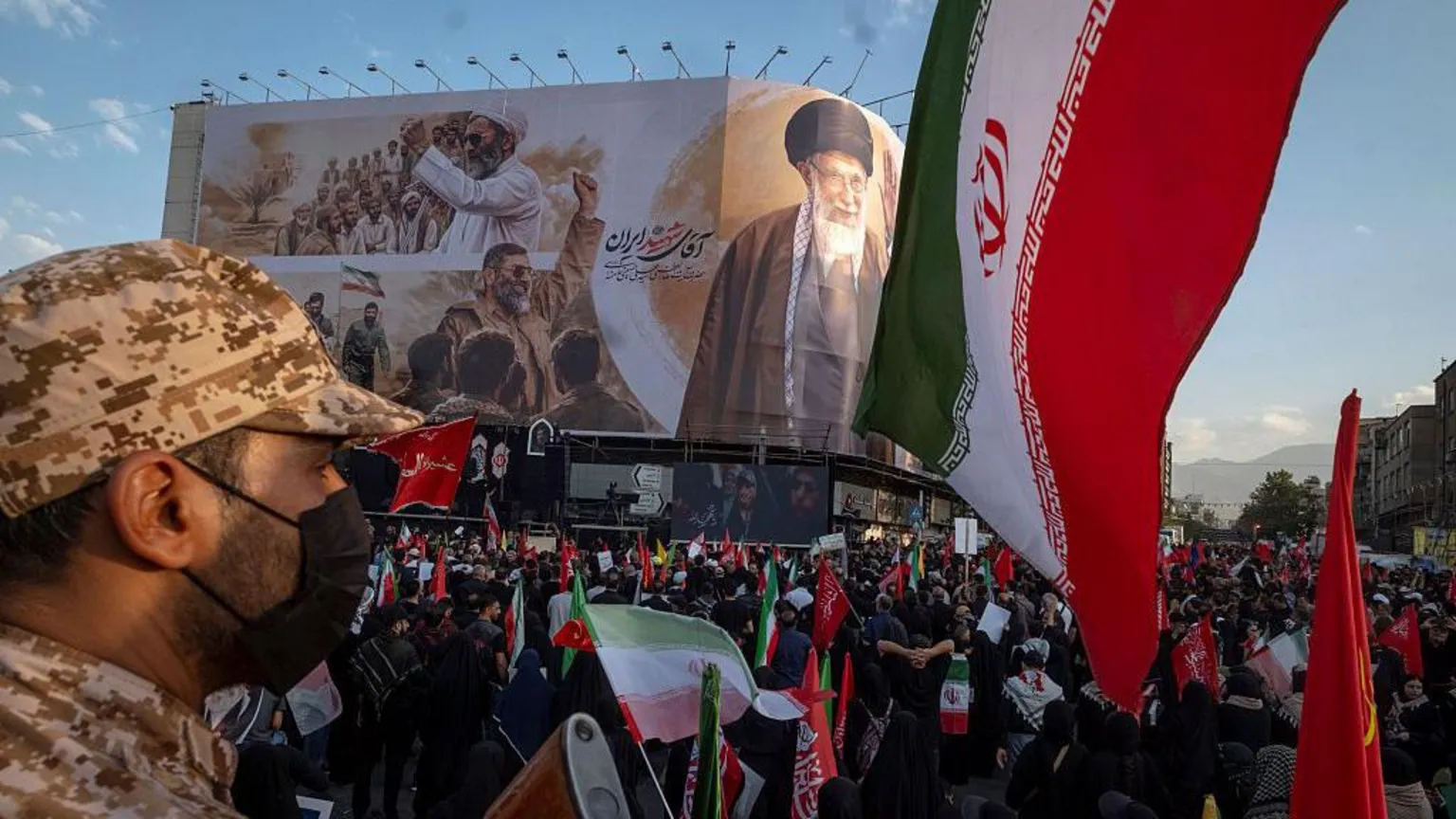
The confrontation between the United States and Iran has entered another dangerous phase after Iran warned it could block additional regional trade routes while the US launched a fresh series of military strikes against Iranian targets. The latest escalation has intensified concerns about the security of global shipping lanes, energy markets, and stability across the Middle East.
Iran’s Revolutionary Guard Corps (IRGC) declared that the Strait of Hormuz would remain closed until the United States halted what it described as acts of aggression. The warning was accompanied by suggestions that other oil and gas export routes serving US allies could also become targets if hostilities continue. Meanwhile, the US military confirmed a new round of coordinated drone, naval, and air strikes against Iranian military assets, signaling that Washington intends to maintain military pressure.
The renewed exchange of threats comes at a time when global markets remain highly sensitive to disruptions in energy exports, making the latest developments significant not only for the Middle East but also for economies worldwide.
What Happened?
The US Central Command (CENTCOM) announced that American forces carried out multiple military operations targeting Iranian military infrastructure. According to US officials, the attacks included coordinated strikes using drones, aircraft, and naval assets following an earlier extended military operation.
At the same time, Iran responded by issuing fresh warnings against American military actions and expanded its rhetoric beyond the Strait of Hormuz, suggesting additional regional trade corridors could also face disruption if military operations continue.
Iranian state media further reported attacks on US-linked military targets in Jordan, Kuwait, and Bahrain, while regional governments stated that incoming drones and missiles were intercepted before causing damage.
Why the Strait of Hormuz Matters
The Strait of Hormuz is one of the world’s most strategically important maritime passages. Located between Iran and Oman, it connects the Persian Gulf with the Gulf of Oman and the Arabian Sea.
A significant share of the world’s crude oil and liquefied natural gas exports passes through this narrow waterway every day, making it a critical artery for global energy supplies.
Any disruption to shipping in the strait can have immediate consequences for:
- Global oil prices.
- Natural gas supplies.
- International shipping costs.
- Inflation in energy-importing countries.
- Financial market stability.
Could Other Trade Routes Be Affected?
Iran’s latest warning suggests that its strategy may extend beyond the Strait of Hormuz. Although officials did not identify specific locations, analysts note that several regional energy export corridors, ports, and shipping lanes support oil and gas exports from Gulf nations.
Any attempt to disrupt these routes would increase risks for commercial shipping and could force vessels to adopt longer, more expensive routes.
Even without physical blockades, heightened military activity often leads to increased insurance costs, shipping delays, and greater uncertainty for international trade.
US Military Strategy
American officials have indicated that the latest strikes are part of a broader effort to reduce Iran’s military capabilities and deter future attacks against US personnel and regional allies.
President Donald Trump also warned that additional military action could target major infrastructure if diplomatic negotiations fail to resume. While no timetable for negotiations has been announced, the administration continues to combine military pressure with public calls for renewed talks.
This approach reflects a strategy of maintaining leverage while leaving open the possibility of diplomatic engagement.
Iran’s Response
Iran has portrayed the latest US operations as acts of aggression and insists it has the right to respond. Officials argue that continued military pressure justifies defensive measures, including actions affecting strategic waterways.
Iran has repeatedly emphasized that regional security cannot be maintained through military force alone and has warned that continued escalation could broaden the conflict.
Regional Security Concerns
The Middle East hosts numerous American military installations, many of them located in Gulf countries. Any expansion of military operations increases the risk that neighboring states could become involved, either directly or through defensive measures.
Countries such as Bahrain, Kuwait, Jordan, Qatar, Saudi Arabia, and the United Arab Emirates closely monitor developments because regional instability can affect both national security and economic activity.
Missile defense systems throughout the region remain on heightened alert as governments prepare for the possibility of additional attacks.
Economic Impact on Global Markets
Beyond military considerations, the latest escalation has important economic implications.
| Sector | Potential Impact |
|---|---|
| Oil Markets | Higher crude oil prices due to supply concerns. |
| Natural Gas | Possible export disruptions affecting international buyers. |
| Shipping | Higher insurance costs and longer transit times. |
| Financial Markets | Greater volatility driven by geopolitical uncertainty. |
| Consumers | Potential increases in fuel and transportation costs. |
Even if energy supplies continue flowing, uncertainty alone can influence commodity prices and investor sentiment worldwide.
Could Diplomacy Still Prevent Further Escalation?
Despite increasingly forceful rhetoric from both sides, diplomatic channels have not completely disappeared. International observers continue to encourage negotiations to prevent the conflict from expanding further.
Historically, periods of military escalation between the United States and Iran have often been followed by indirect diplomatic engagement through regional or international intermediaries.
Whether those channels can reduce current tensions remains uncertain, particularly as both governments continue emphasizing military readiness alongside political messaging.
The greatest immediate risk is not only direct military confrontation but also prolonged disruption to global trade, energy supplies, and regional stability if tensions continue to escalate.
What Happens Next?
The coming days will likely determine whether the situation stabilizes or deteriorates further. Much will depend on whether additional military operations occur, whether Iran attempts to interfere with commercial shipping, and whether diplomatic efforts gain momentum.
Global governments, energy companies, shipping operators, and financial markets are expected to monitor developments closely, as even limited disruptions in the Gulf can have worldwide economic consequences.
Conclusion
The latest exchange between the United States and Iran marks another significant escalation in an already volatile regional conflict. Iran’s warning about blocking additional trade routes, combined with new US military strikes, has heightened concerns over energy security, international shipping, and broader Middle East stability.
While military pressure continues to shape events, the long-term outcome will likely depend on whether diplomatic engagement can resume before further escalation affects global trade and regional security. Until then, the Strait of Hormuz and surrounding energy corridors remain among the world’s most closely watched strategic flashpoints.
For breaking news and live news updates, like us on Facebook or follow us on Twitter and Instagram. Read more on Latest World on thefoxdaily.com.





COMMENTS 0