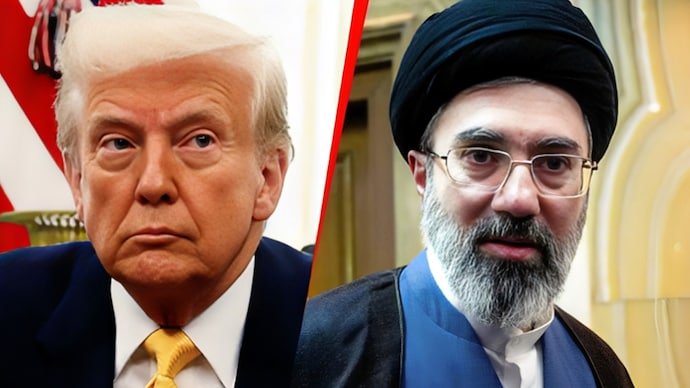
The prospect of a formal peace agreement between the United States and Iran has emerged as one of the most significant geopolitical developments of 2026. According to US President Donald Trump, a deal between Washington and Tehran is expected to be signed on June 14, a move that could immediately reopen the Strait of Hormuz, ease tensions across the Middle East, and reduce pressure on global Energy Markets.
If finalized, the agreement would mark a dramatic shift after months of military confrontation, economic uncertainty, and fears of a wider regional conflict. More importantly, it could influence everything from oil prices and inflation to global trade routes and diplomatic relations throughout West Asia.
While many details remain subject to negotiation and verification, the announcement has already captured worldwide attention because of the enormous strategic importance of both Iran’s nuclear program and the Strait of Hormuz.
What Trump Announced About the US-Iran Peace Deal
President Trump stated that the agreement is expected to be signed on June 14 and would establish a framework aimed at preventing Iran from acquiring nuclear weapons.
According to Trump’s remarks, the deal would include commitments ensuring that Iran does not obtain nuclear weapons through development, procurement, purchase, or any alternative pathway.
He also claimed that one of the immediate outcomes would be the reopening of the Strait of Hormuz, restoring unrestricted maritime traffic through one of the world’s most strategically important shipping corridors.
The announcement represents the strongest indication yet that both sides may be moving toward a diplomatic settlement after months of heightened tensions and military escalation.
Why the Strait of Hormuz Matters to the Entire World
Although the agreement directly involves the United States and Iran, its consequences extend far beyond the two countries.
The Strait of Hormuz is among the most critical maritime chokepoints on Earth. Located between Iran and Oman, it connects the Persian Gulf to international waters and serves as a major artery for global energy supplies.
A significant portion of the world’s oil and liquefied natural gas exports pass through this narrow waterway every day.
When the strait faces disruption, global markets react almost immediately.
The closure or restriction of shipping routes through Hormuz can lead to:
- Higher crude oil prices.
- Increased transportation costs.
- Rising fuel prices.
- Inflationary pressure worldwide.
- Supply chain disruptions.
- Greater economic uncertainty.
As a result, any agreement that restores stability to the strait carries implications not only for governments but also for consumers, businesses, and investors around the world.
How the US-Iran Conflict Reached This Point
The current diplomatic breakthrough follows a prolonged period of confrontation that dramatically altered the geopolitical landscape of the Middle East.
The conflict escalated after military operations targeted key Iranian military and nuclear infrastructure. Subsequent retaliatory actions increased regional tensions and raised concerns about a broader war involving multiple countries.
One of the most significant consequences was the disruption of maritime traffic through the Strait of Hormuz, which contributed to volatility in global energy markets and heightened concerns over Energy Security.
As economic costs mounted and regional instability intensified, diplomatic efforts gained momentum behind the scenes, eventually creating a pathway toward the current negotiations.
The Nuclear Question Remains the Core Issue
At the heart of the negotiations lies Iran’s nuclear program.
For decades, the issue has been one of the most contentious subjects in international Diplomacy. Western governments have repeatedly sought assurances that Iran’s nuclear activities remain exclusively peaceful, while Iranian leaders have maintained that their program is intended for civilian energy and scientific purposes.
The latest proposed agreement appears focused on establishing mechanisms that prevent the development of nuclear weapons while allowing future discussions regarding inspections, verification measures, and long-term compliance.
The success of any agreement will likely depend on whether both sides can agree on verification systems that provide confidence without compromising national sovereignty.
How Global Oil Markets Could Benefit
Financial markets closely monitor developments involving the Strait of Hormuz because of the direct relationship between geopolitical risk and energy prices.
Whenever uncertainty increases in the Gulf region, traders often factor potential supply disruptions into oil prices.
If the strait reopens fully and remains stable, several outcomes may follow:
- Improved oil supply confidence.
- Reduced risk premiums in crude markets.
- Lower transportation costs.
- More stable energy prices.
- Reduced inflationary pressure in importing nations.
Countries heavily dependent on imported energy, including India, Japan, South Korea, and many European nations, could benefit significantly from a sustained reduction in geopolitical risk.
What the Deal Could Mean for India
India has a direct interest in developments involving the Strait of Hormuz because a substantial portion of its energy imports travels through Gulf shipping routes.
Higher oil prices typically affect India’s Economy through:
- More expensive fuel.
- Higher transportation costs.
- Increased inflation.
- Pressure on household budgets.
- Rising industrial input expenses.
A successful US-Iran agreement could therefore support economic stability by reducing uncertainty in energy markets and helping keep import costs under control.
Beyond energy, India also maintains important economic and strategic relationships across the Middle East, making regional stability a significant national interest.
How Financial Markets Are Likely to React
Investors generally welcome reductions in geopolitical uncertainty.
If the agreement is formally signed and implemented successfully, financial markets may respond positively through:
- Improved investor confidence.
- Lower oil price volatility.
- Stronger global equity sentiment.
- Reduced demand for safe-haven assets.
- Greater stability in emerging markets.
However, markets will likely remain cautious until concrete implementation measures become visible and both sides demonstrate long-term compliance.
The Challenges That Could Still Derail the Agreement
Despite optimism surrounding the announcement, several significant challenges remain.
Historically, agreements involving Iran’s nuclear program have faced difficulties related to verification, enforcement, political transitions, and regional security concerns.
Potential obstacles include:
- Disagreements over inspection mechanisms.
- Sanctions implementation timelines.
- Regional security concerns.
- Domestic political opposition.
- Future compliance disputes.
- Military incidents that could undermine trust.
Diplomatic agreements often prove easier to announce than to implement, making the months following any signing particularly important.
Comparing This Deal With Previous US-Iran Agreements
| Issue | Previous Nuclear Agreements | Proposed 2026 Framework |
|---|---|---|
| Main Objective | Nuclear restrictions and inspections | Nuclear restrictions plus regional de-escalation |
| Hormuz Access | Not a primary focus | Central component |
| Economic Relief | Sanctions easing | Potential sanctions relief tied to compliance |
| Regional Stability | Indirect benefit | Direct strategic objective |
| Energy Market Impact | Moderate | Potentially significant |
This broader focus reflects how energy security and regional stability have become increasingly interconnected with nuclear diplomacy.
The Geopolitical Winners and Losers
If the agreement succeeds, several stakeholders could benefit.
Potential Winners
- Global consumers through lower energy costs.
- Oil-importing economies.
- International shipping companies.
- Regional businesses.
- Investors seeking market stability.
Potential Challenges
- Parties skeptical of the agreement’s effectiveness.
- Groups opposed to diplomatic engagement.
- Stakeholders concerned about long-term enforcement.
Ultimately, the agreement’s success will depend less on initial celebrations and more on sustained implementation.
What Happens After June 14?
Even if the agreement is signed as planned, the diplomatic process will be far from over.
The next phase would likely involve:
- Technical negotiations.
- Verification arrangements.
- Monitoring mechanisms.
- Implementation schedules.
- Regional security discussions.
- Long-term nuclear compliance frameworks.
These follow-up negotiations may ultimately prove more difficult than the initial political agreement itself.
Future Outlook: A Potential Turning Point for the Middle East
The proposed US-Iran peace deal has the potential to become one of the most consequential diplomatic developments of the decade.
By linking nuclear restrictions, maritime security, and regional stability, the agreement attempts to address multiple sources of tension simultaneously.
Whether it succeeds will depend on trust, verification, and political commitment from all sides involved.
For now, the possibility of reopening the Strait of Hormuz, reducing geopolitical tensions, and preventing further escalation offers a rare moment of optimism in a region that has experienced prolonged instability.
Conclusion
President Trump’s announcement of a June 14 US-Iran peace agreement represents a potentially transformative moment for international diplomacy, energy markets, and Middle Eastern stability.
The immediate reopening of the Strait of Hormuz could ease pressure on global oil supplies, reduce economic uncertainty, and support broader regional security efforts. At the same time, unresolved questions surrounding Iran’s nuclear program mean the most complex negotiations may still lie ahead.
If successfully implemented, the agreement could become a defining geopolitical milestone of 2026. If not, it will serve as a reminder of how difficult lasting peace remains in one of the world’s most strategically important regions.
For breaking news and live news updates, like us on Facebook or follow us on Twitter and Instagram. Read more on Latest World on thefoxdaily.com.





COMMENTS 0