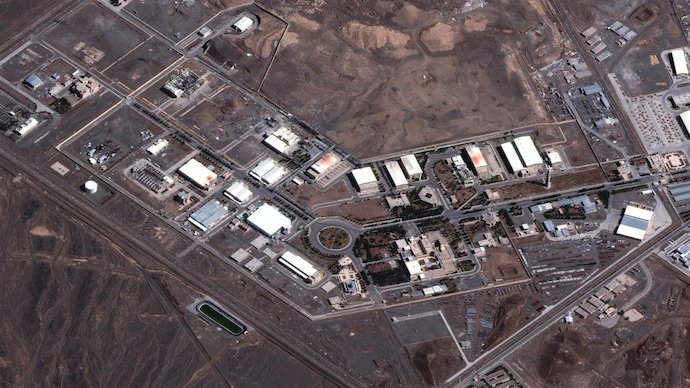
- The Core Dispute: Uranium Enrichment Timeline
- Disagreement Over Existing Uranium Stockpile
- A Possible Middle Ground: 12.5-Year Compromise?
- Role of Mediators: Pakistan, Egypt, and Turkey
- Diplomatic Breakdown and Rising Frustration
- Trump’s Strategy: Pressure and Engagement
- Why the Deal Matters Globally
- Conclusion: A Deal Still Possible?
High-stakes negotiations between the United States and Iran have hit a major roadblock after both sides failed to agree on limits to Tehran’s uranium enrichment programme. The talks, held over the weekend in Islamabad and mediated by multiple countries, collapsed primarily due to a stark disagreement: Washington demanded a 20-year freeze on uranium enrichment, while Tehran countered with a much shorter five-year proposal.
The failure to bridge this gap has raised concerns about renewed tensions, especially as a fragile ceasefire deadline approaches. While both sides signaled continued willingness to engage, the disagreement highlights the deep mistrust and strategic divergence that continue to define US-Iran Relations.
The Core Dispute: Uranium Enrichment Timeline
At the center of the negotiations was the question of how long Iran should suspend its uranium enrichment activities—a key issue given its implications for nuclear weapons development.
US Position: Long-Term Restrictions
The United States proposed a minimum 20-year moratorium on uranium enrichment, along with additional restrictions aimed at limiting Iran’s nuclear capabilities over the long term.
“The United States suggested 20 years at a minimum with all kinds of other restrictions,” a source familiar with the talks revealed.
This approach reflects Washington’s goal of ensuring prolonged limitations on Iran’s nuclear programme, reducing the risk of rapid weaponization.
Iran’s Counteroffer: Short-Term Commitment
Iran, however, rejected the lengthy timeline and instead proposed a five-year suspension of uranium enrichment. This significantly shorter duration underscores Tehran’s reluctance to accept long-term constraints on its nuclear activities.
The gap between 20 years and five years proved too wide to bridge, ultimately leading to the collapse of the talks.
| Issue | US Proposal | Iran Proposal |
|---|---|---|
| Uranium Enrichment Freeze | Minimum 20 years | 5 years |
| Highly Enriched Uranium | Complete removal | Monitored down-blending |
| Verification | Strict international oversight | Conditional monitoring |
Disagreement Over Existing Uranium Stockpile
Another major sticking point was the fate of Iran’s existing stockpile of highly enriched uranium.
The US insisted on complete removal of this material, aiming to eliminate any immediate risk of nuclear weapon development. Iran, on the other hand, proposed a more gradual approach—down-blending the uranium under international supervision to reduce its enrichment level.
This difference reflects broader disagreements over trust and verification, with both sides wary of conceding too much.
A Possible Middle Ground: 12.5-Year Compromise?
Amid the deadlock, some analysts have suggested a potential compromise. Political scientist Ian Bremmer indicated that both sides might be moving toward a 12.5-year suspension period.
While this proposal has not been officially confirmed, it represents a possible middle ground between the US and Iranian positions.
Such compromises are common in high-level negotiations, where initial demands are often maximalist before converging toward a mutually acceptable solution.
Role of Mediators: Pakistan, Egypt, and Turkey
The talks were facilitated by multiple international mediators, reflecting the global importance of resolving the US-Iran standoff.
- Pakistan: Hosted the negotiations and worked to bridge gaps
- Egypt: Played a diplomatic role in facilitating dialogue
- Turkey: Actively engaged in mediation efforts
Pakistani Prime Minister Shehbaz Sharif emphasized ongoing efforts to bring both sides closer, while Turkish Foreign Minister Hakan Fidan noted that initial negotiation positions are often extreme.
“Initial positions in such negotiations are often maximalist,” Fidan said, suggesting room for compromise.
Diplomatic Breakdown and Rising Frustration
Beyond technical disagreements, the talks were also affected by diplomatic tensions. Reports indicate that Iranian negotiators were caught off guard by the sudden exit of the US delegation from Islamabad.
Public remarks by US Vice President JD Vance, which blamed Iran for the failure of the talks, further strained relations.
“The Iranians were upset about that press conference,” a source familiar with the discussions said.
This breakdown in communication highlights the fragile nature of the negotiations and the importance of maintaining trust during diplomatic efforts.
Trump’s Strategy: Pressure and Engagement
Even as negotiations stalled, US President Donald Trump signaled that communication channels remain open. He stated that Washington had been contacted by “the right people in Iran,” suggesting that Tehran may still be interested in reaching a deal.
At the same time, the US has increased pressure on Iran through measures such as maritime restrictions and economic actions. This dual strategy—combining pressure with Diplomacy—aims to push Iran toward concessions.
However, it also risks escalating tensions if not carefully managed.
Why the Deal Matters Globally
The outcome of US-Iran nuclear negotiations has far-reaching implications beyond the two countries involved.
Global Security
A successful agreement could reduce the risk of nuclear proliferation in the Middle East.
Energy Markets
Stability in US-Iran relations could ease tensions in key Oil Supply routes, impacting global energy prices.
Geopolitical Stability
A deal could lower the risk of broader conflict involving regional and global powers.
Conversely, failure to reach an agreement could lead to increased instability and economic uncertainty.
Conclusion: A Deal Still Possible?
The collapse of the latest round of US-Iran Talks underscores the deep divisions between the two sides, particularly over the future of Iran’s nuclear programme. The gap between a 20-year freeze and a five-year suspension reflects fundamentally different strategic priorities.
However, the presence of mediators, continued engagement, and hints of potential compromise suggest that diplomacy is far from over. The coming days will be crucial, especially as the ceasefire deadline approaches.
Ultimately, whether the two sides can find common ground will determine not only the future of their relationship but also the stability of a region already under immense strain. In high-stakes diplomacy, even a near-deal can lay the groundwork for the next breakthrough.
For breaking news and live news updates, like us on Facebook or follow us on Twitter and Instagram. Read more on Latest World on thefoxdaily.com.






COMMENTS 0