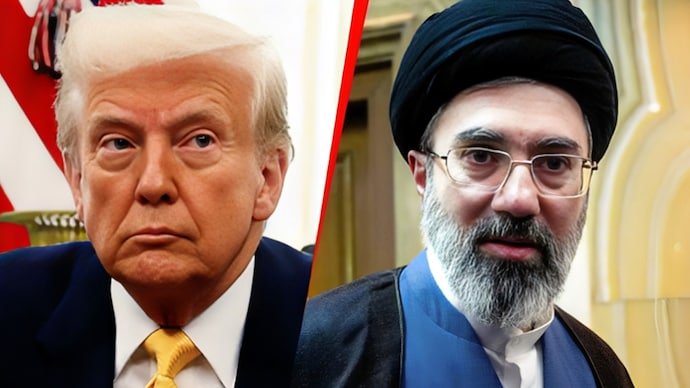
After months of military escalation, economic uncertainty, and fears of a broader regional conflict, the United States and Iran appear closer than they have been in years to reaching a diplomatic breakthrough. Emerging details from a draft agreement suggest both sides are willing to accept a temporary compromise that prioritises immediate stability while delaying resolution of the most contentious issue: Iran’s nuclear ambitions.
The proposed framework could reopen the Strait of Hormuz, release frozen Iranian assets, ease selected sanctions, and create a pathway for future negotiations. Yet the agreement also reveals a deeper geopolitical reality. Neither Washington nor Tehran appears ready to fully abandon its core positions, meaning the current deal may be less of a final peace settlement and more of a strategic pause before the next phase of confrontation.
Why the US-Iran Deal Matters to the Entire World
The significance of the emerging agreement extends far beyond Washington and Tehran. The conflict has affected global Energy Markets, international trade routes, inflation expectations, and geopolitical stability across the Middle East.
At the centre of the crisis lies the Strait of Hormuz, a narrow waterway connecting the Persian Gulf to global Shipping Lanes. Before recent tensions escalated, roughly one-fifth of the world’s oil and liquefied natural gas shipments passed through the strait.
Any disruption to this route has immediate consequences for energy-importing nations, financial markets, and household budgets worldwide.
The proposed reopening of the Strait of Hormuz is therefore one of the most economically significant elements of the draft agreement.
Understanding the Strait of Hormuz’s Global Importance
The Strait of Hormuz is often described as the world’s most important energy chokepoint.
Countries that depend heavily on Gulf energy supplies include:
- India
- China
- Japan
- South Korea
- Several European nations
When tensions rise in the region, oil traders immediately price in the risk of supply disruptions. This often leads to higher crude oil prices, increased transportation costs, and broader inflationary pressures.
The proposed agreement aims to reduce those concerns by restoring maritime traffic and reducing the risk of military confrontation in one of the world’s busiest energy corridors.
What Is Actually Included in the Proposed Agreement?
While negotiations continue, reports indicate the draft framework contains several major elements designed to create immediate incentives for both sides.
For Iran
- Phased release of frozen financial assets
- Partial relief from selected sanctions
- Greater ability to export oil
- Economic breathing room after months of pressure
For the United States
- Reopening of the Strait of Hormuz
- Reduced regional military tensions
- Potential limits on destabilising activities
- A formal process to address nuclear concerns
The structure reflects a classic diplomatic approach: immediate concessions in exchange for future negotiations on more difficult issues.
The Most Important Detail: The Nuclear Issue Is Not Solved
The most striking aspect of the proposed agreement is not what it resolves but what it postpones.
Iran’s nuclear programme remains the central issue behind years of sanctions, diplomatic disputes, and military tensions. Yet the current framework reportedly delays a final decision by establishing a dedicated negotiation period focused exclusively on nuclear matters.
This means the current agreement should not be viewed as a complete settlement.
Instead, it functions as a confidence-building mechanism intended to create conditions for future talks.
The challenge is that Washington and Tehran continue to hold fundamentally different views regarding the future of Iran’s nuclear infrastructure.
Why Iran’s Nuclear Programme Remains So Controversial
The nuclear issue has dominated US-Iran Relations for decades.
Western governments have long argued that highly enriched uranium could potentially be used in the development of nuclear weapons. Iran has consistently maintained that its nuclear programme serves peaceful civilian purposes such as energy generation, scientific research, and medical applications.
The disagreement is not merely technical.
It is deeply connected to regional security, military deterrence, and geopolitical influence across the Middle East.
For the United States and its allies, ensuring that Iran does not acquire nuclear weapons capability remains a strategic priority.
For Iran, maintaining nuclear expertise and technological sovereignty is viewed as a matter of national security and national pride.
A Comparison With the 2015 Nuclear Agreement
The emerging framework inevitably invites comparisons with the landmark 2015 Nuclear Deal.
| 2015 Nuclear Deal | Current Proposed Framework |
|---|---|
| Immediate nuclear restrictions | Nuclear issue deferred for future talks |
| Broad sanctions relief | Phased and conditional sanctions relief |
| Detailed inspection framework | Inspection details still under negotiation |
| Long-term nuclear commitments | Short-term confidence-building measures |
| Comprehensive agreement | Interim diplomatic framework |
This comparison highlights why many analysts view the current arrangement as only the beginning of a longer diplomatic process rather than its conclusion.
Why Tehran Is Claiming Victory
Iranian officials have presented the emerging agreement as evidence that economic pressure and military action failed to force Tehran into accepting all Western demands.
From Tehran’s perspective, several factors support that narrative:
- The nuclear programme remains intact for now
- Sanctions relief appears possible
- Frozen assets may be released
- Future negotiations remain open-ended
By portraying the agreement as a diplomatic success, Iranian leaders can strengthen domestic political support while demonstrating resilience to international pressure.
This messaging is especially important because economic sanctions have imposed significant costs on Iran’s economy over the past decade.
Why Washington Also Sees a Win
The United States can point to several achievements as well.
Reopening the Strait of Hormuz reduces a major threat to global energy markets. Lower geopolitical risk could help stabilise oil prices and reduce inflationary pressures in many economies.
Additionally, Washington has secured a formal process to address nuclear concerns rather than allowing the issue to remain entirely unresolved.
For policymakers, reducing immediate conflict while maintaining pressure for future concessions represents a pragmatic outcome.
Whether it ultimately succeeds depends on what happens during the next phase of negotiations.
Israel’s Position Could Become the Biggest Challenge
One of the most important factors often overlooked in discussions about the agreement is Israel’s role.
Unlike the United States and Iran, Israel is reportedly not a direct participant in the current framework.
Israeli leaders have repeatedly stated that they reserve the right to act independently against perceived security threats.
This creates a potential complication.
Even if Washington and Tehran reach an understanding, regional stability may still depend on whether all key stakeholders view the agreement as sufficient.
The success of any long-term arrangement will require more than bilateral cooperation between the United States and Iran.
Why Financial Markets Are Celebrating
Global markets responded positively to reports of diplomatic progress.
Investors typically favour stability and predictability, particularly in regions critical to energy production.
The prospect of:
- Reopened shipping routes
- Lower oil price volatility
- Reduced military tensions
- Improved trade flows
has boosted market sentiment.
Energy-importing nations stand to benefit particularly if crude oil prices remain stable following implementation of the agreement.
The Bigger Economic Impact on India and Asia
For countries such as India, the implications are especially significant.
India imports a large portion of its energy requirements, making global oil prices a major factor influencing inflation, transportation costs, manufacturing expenses, and household budgets.
A sustained reduction in geopolitical tensions around the Strait of Hormuz could help:
- Reduce energy import costs
- Support inflation management
- Improve trade stability
- Enhance energy security planning
This explains why developments in the Gulf region often receive close attention from policymakers and businesses across Asia.
Prediction: The Hardest Negotiations Have Not Yet Begun
The most important insight often missing from headline coverage is that the current agreement addresses the easiest problems first.
Reopening shipping routes, releasing frozen assets, and easing selected sanctions are complex but manageable diplomatic tasks.
The truly difficult negotiations involve:
- Uranium enrichment levels
- Nuclear infrastructure
- Inspection mechanisms
- Long-term verification systems
- Regional security guarantees
These issues have challenged diplomats for decades and remain unresolved today.
As a result, the next 60 days could prove far more consequential than the agreement itself.
Conclusion: A Diplomatic Breakthrough, Not Yet a Lasting Peace
The emerging US-Iran agreement represents the most significant diplomatic progress between the two countries in years. By reopening the Strait of Hormuz, easing economic pressure, and reducing immediate military tensions, the framework offers tangible benefits to both sides and to the global economy.
However, the agreement’s greatest weakness is also its greatest strength: it postpones the hardest decisions. The nuclear issue the core dispute driving decades of confrontation remains unresolved and has simply been moved into a separate negotiating process.
For now, markets, governments, and businesses have reasons to welcome the breakthrough. Energy security concerns have eased, geopolitical risks have diminished, and Diplomacy has regained momentum.
Yet the long-term success of this agreement will depend not on the signatures placed on the initial document but on whether Washington and Tehran can bridge their deepest differences during the nuclear negotiations that follow. The current deal may end a crisis, but it has not yet settled the conflict that created it.
For breaking news and live news updates, like us on Facebook or follow us on Twitter and Instagram. Read more on Latest World on thefoxdaily.com.





COMMENTS 0