- The Bigger Picture: Why This Passport Matters
- Understanding the 250th Anniversary Context
- A Shift in Tradition: Presidents and National Symbols
- Beyond Passports: A Broader Branding Strategy
- Why This Strategy Works And Why It’s Controversial
- Global Perspective: How Other Countries Handle It
- Practical Questions Still Unanswered
- Public Reaction: Pride, Criticism, and Curiosity
- A Unique Insight: The Rise of Political Branding
- What Happens Next?
- Conclusion: A Symbolic Move with Lasting Implications
The announcement of limited-edition US passports featuring Donald Trump has triggered widespread discussion not just about design, but about the evolving relationship between political leadership and national symbols. Framed as part of the United States’ 250th anniversary celebrations, the initiative goes far beyond a commemorative gesture. It raises deeper questions about tradition, precedent, and how modern governments shape national identity.
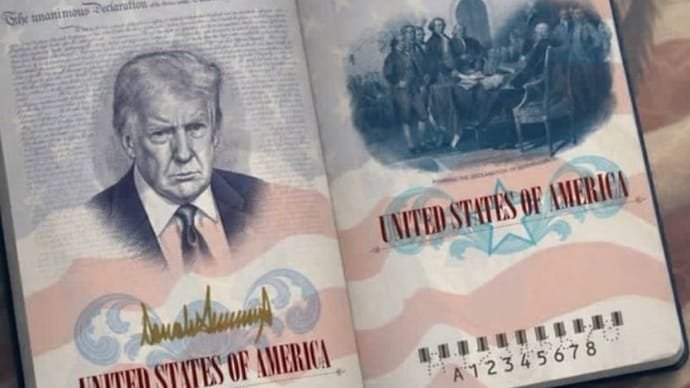
According to official plans, these passports will include customised artwork and enhanced visual elements while retaining all standard Security features. A portrait of Donald Trump is expected to appear alongside imagery tied to the signing of the Declaration of Independence in 1776, connecting present-day leadership with one of the most defining moments in American History.
The Bigger Picture: Why This Passport Matters
At first glance, commemorative documents are nothing new. Countries often mark major milestones with special coins, stamps, and official memorabilia. However, passports occupy a unique space. They are not just symbolic items they are functional documents tied directly to citizenship, identity, and international mobility.
This makes the decision to include a sitting president’s portrait particularly significant. Unlike collectible items, passports are used daily by citizens around the world. Their design reflects how a nation presents itself on the global stage.
Understanding the 250th Anniversary Context
The initiative is part of a larger effort to celebrate 250 years since the signing of the Declaration of Independence. This milestone is expected to be one of the most significant national commemorations in recent history.
Such anniversaries typically aim to:
- Reinforce national identity and shared history
- Promote patriotism and civic engagement
- Showcase the country’s legacy to a global audience
- Create lasting cultural and historical artifacts
In this context, the passport project is positioned as a symbolic bridge between the founding era and the present day.
A Shift in Tradition: Presidents and National Symbols
Historically, US passports have avoided featuring contemporary political figures. Instead, they emphasize neutral imagery landmarks, historical events, and cultural symbols that represent the nation as a whole rather than any individual leader.
The inclusion of Donald Trump’s portrait marks a notable departure from this approach. It reflects a broader trend of personalisation in Politics, where leadership identity becomes closely tied to national branding.
How This Compares to Traditional Practice
| Element | Traditional Approach | New Approach |
|---|---|---|
| Passport Design | Neutral historical and cultural imagery | Includes portrait of a sitting president |
| National Symbols | Focused on institutions and events | Incorporates individual leadership identity |
| Public Perception | Non-political representation | Potentially polarising |
This shift is at the heart of the current debate. Supporters see it as a bold celebration of leadership, while critics argue it blurs the line between state and individual identity.
Beyond Passports: A Broader Branding Strategy
The passport initiative does not stand alone. It is part of a wider pattern in which official government projects increasingly incorporate the president’s name and image.
Recent developments include:
- Changes to currency design featuring presidential elements
- Plans for commemorative coins
- Branding of federal programmes and infrastructure projects
- Symbolic naming of national assets
This coordinated approach suggests a deliberate strategy to align national milestones with current leadership, creating a unified narrative around Governance and identity.
Why This Strategy Works And Why It’s Controversial
From a communication perspective, linking major national events to a recognisable figure can be effective. It simplifies messaging and creates a strong, memorable association. In marketing terms, it turns abstract ideas like democracy or independence into something more tangible.
However, this approach also carries risks. National symbols are traditionally designed to outlast individual leaders. When they become closely tied to one person, they may lose their sense of neutrality and permanence.
This tension between personalisation and tradition is what makes the passport plan particularly noteworthy.
Global Perspective: How Other Countries Handle It
The United States is not the only country to grapple with the role of leadership in national imagery. Around the world, different approaches reflect different political systems and cultural norms.
Comparison with Global Practices
| Country Type | Common Practice | Examples |
|---|---|---|
| Democracies | Focus on historical figures or symbols | Landmarks, founding leaders, cultural icons |
| Monarchies | Include reigning monarch’s image | Currency and official documents |
| Authoritarian Systems | Prominent display of current leaders | Public spaces, documents, and media |
The US has traditionally aligned more closely with the first category. The proposed passport design signals a shift that could redefine how the country presents itself internationally.
Practical Questions Still Unanswered
While the concept has been announced, several practical aspects remain unclear. These include whether citizens will have a choice in receiving the commemorative version and how widely it will be distributed.
Another key question is how long the design will remain in circulation. Limited-edition items often create demand, but passports are typically issued for years at a time. This raises questions about how “limited” the edition will truly be.
Public Reaction: Pride, Criticism, and Curiosity
Public response to the plan is likely to be mixed. For some, the inclusion of a presidential portrait represents a strong and confident statement of leadership. For others, it may feel like an unnecessary politicisation of a national document.
Such reactions are not unusual. Changes to national symbols often spark debate because they touch on identity, history, and values. They force people to consider what those symbols should represent and who gets to define them.
A Unique Insight: The Rise of Political Branding
One of the most important takeaways from this development is the growing role of branding in politics. Governments are increasingly using techniques once associated with corporations visual identity, messaging consistency, and personal branding to shape public perception.
In this context, the passport becomes more than a document. It becomes part of a broader narrative strategy, designed to reinforce a particular image of leadership and national direction.
This trend is likely to continue, not just in the United States but globally, as leaders seek new ways to connect with citizens and stand out in an increasingly competitive information landscape.
What Happens Next?
As the 250th anniversary approaches, more details about the passport rollout are expected to emerge. The success of the initiative will depend not only on its design but also on how it is received by the public and interpreted internationally.
Key factors to watch include:
- The scale of distribution and public adoption
- Legal or procedural challenges, if any
- International reactions and diplomatic implications
- Long-term impact on future document design
Conclusion: A Symbolic Move with Lasting Implications
The plan to introduce limited-edition US passports featuring Donald Trump is more than a commemorative gesture. It represents a shift in how national identity, leadership, and symbolism intersect.
By linking a historic milestone with a contemporary figure, the initiative creates a powerful but potentially polarising statement about the present moment in American politics.
Whether seen as a bold Innovation or a break from tradition, one thing is clear: this decision will shape conversations about national symbols for years to come. And in doing so, it highlights an evolving reality where politics is not just about policy, but also about perception, narrative, and identity.
For breaking news and live news updates, like us on Facebook or follow us on Twitter and Instagram. Read more on Latest World on thefoxdaily.com.






COMMENTS 0