UK Home Secretary Shabana Mahmood has softened her proposed Immigration settlement rules after facing opposition from cabinet colleagues, health unions and Labour MPs. The revised plans will allow an estimated 280,000 migrant care workers and their dependants to apply for indefinite leave to remain (ILR) after five years, instead of waiting up to 15 years under the original proposal.
However, most of the government’s proposed immigration reforms remain in place. Many migrant workers will still face longer settlement periods, including a 10-year wait for those earning below £50,000. Refugees and people who entered the UK through irregular routes could face even longer waiting periods.
Mahmood presented the revised proposals to MPs in the House of Commons on Monday, insisting that settlement in the UK should depend on an individual’s contribution and compliance with immigration rules.
Care workers receive five-year settlement exemption
The main change to Mahmood’s original proposals is an exemption for migrant care workers. Under the revised rules, eligible care workers earning more than £25,000 will be able to apply for indefinite leave to remain after five years.
The exemption is expected to cover approximately 280,000 care workers and their dependants. It follows pressure from health unions and senior government figures who raised concerns about the consequences of extending settlement waiting periods for workers supporting Britain’s care sector.
The proposed exception also marks a significant retreat from the original plan to make care workers wait 15 years before qualifying for settlement. Housing Secretary Angela Rayner had explicitly criticised the longer waiting period, while Energy Secretary Miatta Fahnbulleh repeatedly declined to endorse the original proposals.
Unison general secretary Andrea Egan welcomed the decision to abandon the original approach but warned that the conditions attached to the five-year route remained demanding.
Egan said the government needed to ensure eligible workers were not unfairly denied settlement because of employment arrangements or pay disruptions caused by employers. She also warned that some employers could use workers’ immigration status to threaten them or interfere with their route to settlement.
Most migrant workers will still face longer settlement periods
Although care workers have received an exemption, the wider settlement reforms remain largely unchanged. Under the revised proposals, many migrants will have to wait longer than the current five-year qualifying period before applying for indefinite leave to remain.
The proposed settlement periods include:
- Highest earners: People earning more than £125,000 will be eligible to settle after three years.
- Higher earners and selected public service workers: Those earning more than £50,271, along with certain public service professionals such as doctors, nurses and teachers, will be able to apply after five years.
- Eligible care workers: Those earning more than £25,000 will retain a five-year settlement route under the revised exemption.
- Workers earning below £50,000: Many will face a 10-year qualifying period.
- Refugees: The standard proposed settlement period will increase to 10 years.
- People entering through irregular routes: They could face an additional 10-year penalty, while some individuals may have to wait up to 30 years.
Home Office officials estimate that around 500,000 migrants will have to wait longer than under the existing five-year system. However, critics of the government’s revised approach point out that approximately 1.4 million of the 1.9 million migrants who arrived during the so-called Boriswave of legal migration would still qualify for indefinite leave after five years.
Shabana Mahmood defends the earned settlement system
Addressing MPs, Mahmood defended the government’s decision to make settlement more dependent on contribution and compliance with immigration rules.
She described indefinite leave to remain as “one of most valuable rights this country can offer” and argued that it had previously been granted almost automatically.
“From today it must be earned. Those who contribute will settle fastest. Those who don’t play by the rules will be refused or wait much longer,” she told the Commons.
Prime Minister Keir Starmer also backed the changes, saying the immigration system should reward people who contribute to communities and follow the rules.
“People want to see an immigration system based on control, contribution, and which rewards those who play by the rules,” Starmer said.
He added that people making valuable contributions to their communities should have the opportunity to settle earlier, while those who abuse the system or arrive illegally should face refusal or longer waiting periods.
Andy Burnham, who had promised voters in the Makerfield by-election that he would support Mahmood’s migration agenda, also endorsed the proposals. He said the Home Secretary was “gripping this problem” by introducing the earned element into the settlement system.
Labour MPs raise concerns over retrospective immigration changes
Despite the care worker exemption, the retrospective application of the proposed changes has become a major source of disagreement. Critics argue that migrants who entered the UK legally and made plans based on the existing settlement rules could suddenly face much longer waiting periods.
Labour MP Abtisam Mohamed, who represents Sheffield Central, criticised the retrospective approach and said she would continue pressing for people already living in the UK to be protected.
“Retrospectively uprooting someone’s plans, sometimes made at the most vulnerable time in their lives, is unfair. I’ll be pressing for those already here to be protected,” Mohamed said.
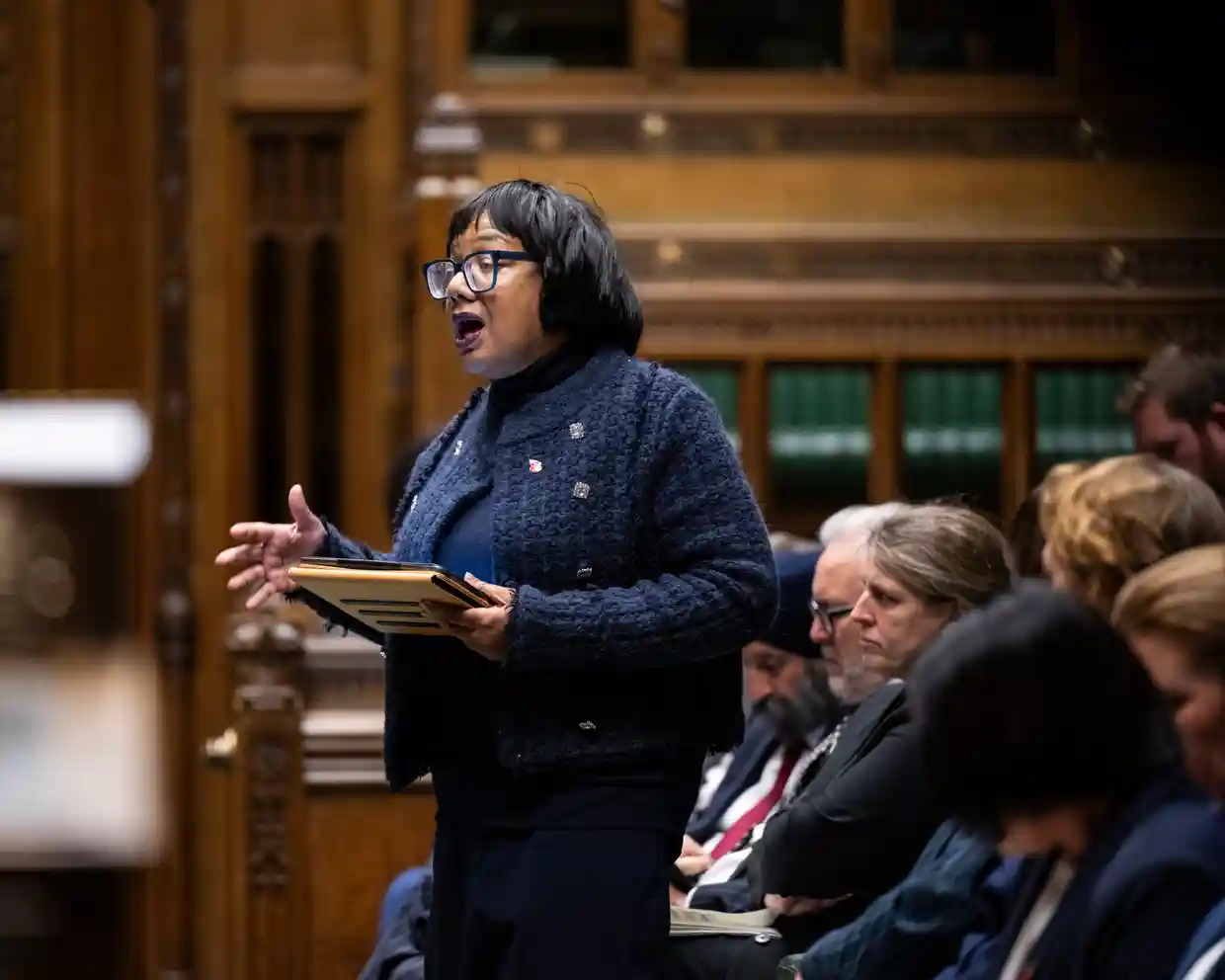
Former Labour shadow home secretary Diane Abbott also criticised the proposals, warning that people who entered legally and worked within the rules could still see their residency plans changed.
She compared the potential consequences with the Windrush scandal, in which people who had lived in the UK for decades faced problems proving their immigration status and accessing their rights.
Walthamstow MP Stella Creasy said the revised proposals represented only partial recognition of migrants’ contributions. She warned that thousands of people could face 10 years of uncertainty, while businesses might struggle to retain skilled workers.
Creasy argued that the economic consequences of migrants leaving the UK could outweigh any savings from reducing access to benefits.
Law Society and migrant rights groups criticise the changes
The Law Society warned that changing settlement rules retrospectively could undermine legal certainty for individuals, families and employers.
It said the approach “retrospectively undermines the legal certainty that individuals, families and employers rely on”. The organisation also raised concerns about the implications for the rule of law.
Amnesty International accused the government of moving the goalposts for migrants who had followed the existing rules and built their lives around the settlement requirements.
The organisation said people who had organised their lives and those of their families around government requirements deserved more certainty than decisions that could disrupt their future plans.
Some Labour MPs indicated that they would continue to challenge the retrospective element of the proposals. However, the new policies do not require a parliamentary vote, limiting the direct ways MPs can block their implementation.
Refugees and people arriving through irregular routes face longer waits
The revised proposals also introduce longer settlement periods for refugees and people who enter the UK through irregular routes.
Most refugees will face a 10-year wait before becoming eligible for indefinite leave to remain. Those who enter the country illegally could face an additional 10-year penalty, while people who do not find employment could face a settlement wait of up to 30 years.
The government has outlined limited exceptions for refugees entering through designated safe and legal routes. These include the reopening of schemes for Afghan women and girls and Palestinians.
Under the proposals, other refugees will not be eligible for settlement if they have accessed public funds. The changes have raised concerns among migrant rights organisations about the long-term consequences for vulnerable people seeking protection in the UK.
Business groups warn of skilled worker losses
Business organisations have warned that the retrospective settlement changes could make it harder for UK employers to retain international workers, particularly in sectors that depend on skilled overseas recruitment.
The Confederation of British Industry (CBI) said the care worker exemption could leave some businesses facing higher costs without addressing the problem the policy was originally intended to solve.
Manufacturing organisation Make UK also criticised the proposals, warning that industries could lose skilled workers to countries offering more predictable immigration and settlement routes.
It said the changes would make retaining skilled employees more difficult and could encourage talent to move to countries that welcome international workers rather than changing their settlement requirements.
These concerns have added to pressure on the government to balance its immigration objectives with the needs of employers and public services.
Conservatives and Reform UK criticise Mahmood’s climbdown
The revised plans have also faced criticism from opposition politicians, although from a different direction. The Conservatives and Reform UK leader Nigel Farage criticised the decision to exempt eligible care workers from the longer settlement period.
Farage described the move as “the beginning of the capitulation”, while Conservative figures accused Mahmood of weakening her original immigration proposals.
Shadow Home Secretary Chris Philp claimed that allowing care workers who arrived on visas before May 2025 to retain a five-year settlement route could cost the country up to £10bn. Mahmood had previously cited that figure in support of her original proposals.
The Home Secretary argued that extending the settlement period for more than half a million people would reduce the projected benefits bill.
Some Conservative MPs also acknowledged that the previous government had allowed migration numbers to rise significantly. Backbencher Edward Leigh criticised former Home Office ministers over their handling of the issue, saying that anyone who had served in the role at the time should “wear sackcloth and ashes”.
What the revised UK immigration settlement plans mean
Mahmood’s revised proposals represent a compromise following pressure from cabinet colleagues, health unions and Labour MPs. The five-year settlement exemption for eligible care workers is the most significant change, potentially allowing around 280,000 workers and their dependants to avoid the original 15-year wait.
However, the wider reforms will still extend settlement periods for many migrants, with retrospective changes remaining a central point of disagreement. Critics say the new rules could disrupt family plans, weaken legal certainty and make it harder for businesses to retain skilled workers.
The government maintains that the earned settlement system will reward contribution, strengthen immigration controls and reduce pressure on public finances. The debate now centres on whether the revised approach can achieve those objectives without creating uncertainty for migrants, employers and essential public services.
For breaking news and live news updates, like us on Facebook or follow us on Twitter and Instagram. Read more on Latest World on thefoxdaily.com.





COMMENTS 0