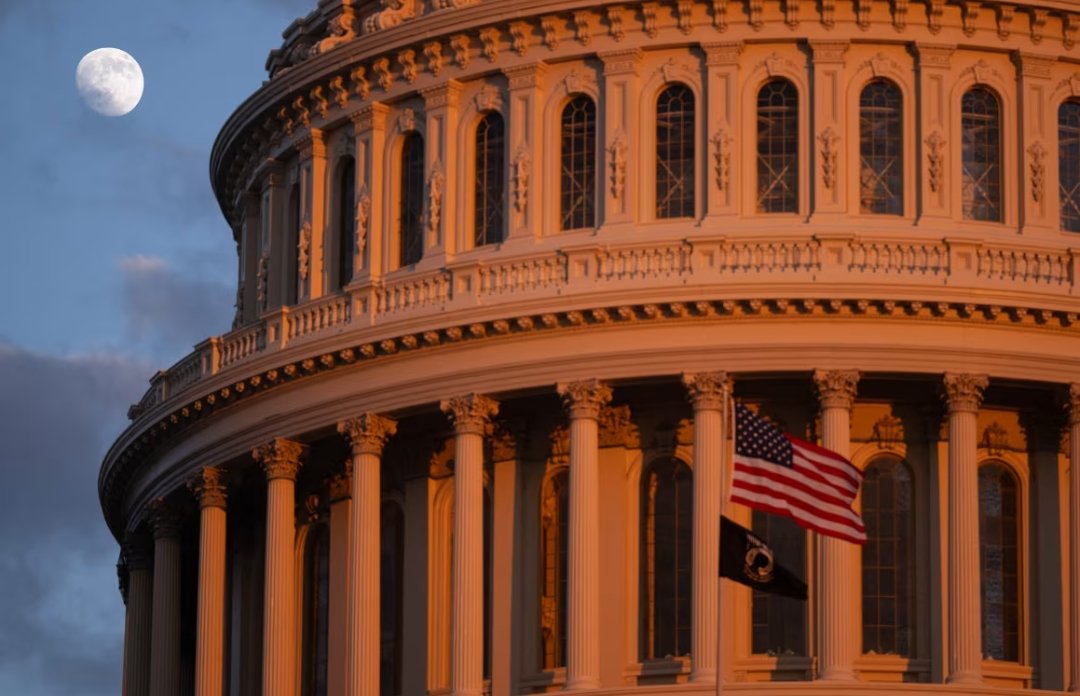
The US House of Representatives has approved legislation that would make Daylight Saving Time (DST) permanent across most of the United States, marking another major step in a debate that has continued for decades. While the House vote reflects broad bipartisan support, the proposal’s future now depends on the US Senate, where lawmakers remain divided over whether the country should permanently “spring forward.”
If enacted, the Sunshine Protection Act would eliminate the twice-yearly clock changes for most Americans, keeping Daylight Saving Time in effect throughout the year. However, Senate leaders have yet to commit to bringing the bill to a vote, and several influential senators continue to oppose the measure, making its path to becoming law uncertain.
The debate extends beyond convenience. It touches public health, road safety, economic productivity, education, and regional differences, making it one of the most complex time-related policy discussions in modern American history.
What Is the Sunshine Protection Act?
The Sunshine Protection Act is a federal bill that would make Daylight Saving Time permanent instead of requiring Americans to move their clocks forward in spring and back in autumn.
Under the proposal:
- Most states would remain on Daylight Saving Time throughout the year.
- Seasonal clock changes would end.
- States currently observing permanent Standard Time could continue doing so if they adopt it before the law takes effect.
- Hawaii, most of Arizona, and several US territories, which already do not observe Daylight Saving Time, would continue under their existing systems.
Why Did the House Approve the Bill?
Supporters argue that ending the twice-yearly time changes would simplify daily life and reduce disruptions caused by switching clocks.
Advocates believe permanent Daylight Saving Time could provide:
- More evening daylight throughout the year.
- Fewer disruptions to sleep schedules.
- Reduced confusion for businesses and travelers.
- Potential economic benefits for retail, dining, and recreation.
- A consistent national time system.
The House passed the legislation with strong bipartisan backing, reflecting growing public frustration with changing clocks twice every year.
What Happens Next?
Although House approval is an important milestone, the bill has not yet become law.
The legislative process still requires several steps:
| Step | Status |
|---|---|
| House of Representatives Vote | Approved |
| US Senate Vote | Pending |
| Presidential Signature | Required if passed by Senate |
| Implementation | Would occur after the law takes effect |
The biggest challenge now lies in the Senate, where leaders have not committed to scheduling a vote.
Why the Senate Could Be the Biggest Obstacle
Unlike the House, the Senate has procedural rules that allow prolonged debate and require broader consensus for many pieces of legislation.
Senate Majority Leader John Thune has indicated that lawmakers are reviewing the House bill but has not guaranteed that it will receive floor consideration.
Even if the bill reaches the Senate floor, supporters may need enough votes to overcome procedural hurdles before final passage.
Why Some Senators Oppose Permanent Daylight Saving Time
Opponents argue that while longer evenings are popular, darker winter mornings could create serious safety concerns.
Major concerns include:
- Children traveling to school before sunrise.
- Reduced morning visibility for commuters.
- Challenges for farmers and outdoor workers.
- Construction crews beginning work in darkness.
- Potential disruptions during winter months in northern states.
Because sunrise occurs much later during winter under permanent Daylight Saving Time, some northern communities could experience daylight beginning well after traditional work and school hours.
Why Geography Matters
The impact of permanent Daylight Saving Time would not be the same across the country.
Southern states generally experience smaller seasonal changes in daylight, while northern states see much larger differences between summer and winter sunrise times.
This geographical variation explains why lawmakers from different regions sometimes have very different perspectives on the proposal.
A Brief History of Daylight Saving Time in the US
The United States has experimented with permanent Daylight Saving Time before.
During the 1970s energy crisis, Congress adopted year-round Daylight Saving Time as an energy-saving measure. However, widespread public dissatisfaction—particularly over dark winter mornings—led lawmakers to reverse the policy within months.
More recently, the Senate unanimously approved a similar proposal in 2022, but the legislation never received a vote in the House of Representatives, preventing it from becoming law.
Subsequent attempts have faced procedural objections and political disagreements.
Would Every State Have to Follow the New Rule?
No.
The current House proposal provides flexibility for states that already observe permanent Standard Time or choose to adopt it before the federal changes take effect.
Currently:
- Hawaii observes permanent Standard Time.
- Most of Arizona does not observe Daylight Saving Time.
- Several US territories also remain on Standard Time year-round.
This flexibility was included to address concerns about imposing a single nationwide approach regardless of local preferences.
The Bigger Debate: Permanent DST or Permanent Standard Time?
Although many Americans support ending clock changes, experts remain divided over which time system should become permanent.
| Permanent Daylight Saving Time | Permanent Standard Time |
|---|---|
| More evening daylight. | Earlier winter sunrises. |
| Popular for recreation and retail. | Often preferred by sleep researchers. |
| Later winter mornings. | Earlier sunsets during winter. |
Many medical organizations have previously argued that permanent Standard Time better aligns with natural human circadian rhythms, while supporters of permanent Daylight Saving Time emphasize convenience and economic activity.
The current debate is no longer about whether Americans dislike changing clocks twice a year. The real question is which permanent time system best balances public health, safety, economic activity, and regional differences.
What Could Happen Next?
If Senate leaders decide to schedule a vote, lawmakers will debate the merits of permanent Daylight Saving Time and determine whether sufficient bipartisan support exists to move the legislation forward.
If approved by the Senate and signed by the President, the United States could finally end the long-standing practice of changing clocks every spring and autumn. If the bill stalls, Americans will continue following the current seasonal time changes for the foreseeable future.
Conclusion
The House’s approval of the Sunshine Protection Act represents significant momentum for supporters of permanent Daylight Saving Time, but the proposal still faces important legislative hurdles. Senate uncertainty, regional concerns, and differing views on public safety continue to shape the debate.
Whether the United States ultimately adopts permanent Daylight Saving Time, permanent Standard Time, or maintains the current system, the discussion highlights how a seemingly simple issue—changing the clock—has wide-ranging implications for daily life, public policy, business, transportation, and health. Until the Senate acts, Americans should expect the familiar ritual of adjusting their clocks to continue.
For breaking news and live news updates, like us on Facebook or follow us on Twitter and Instagram. Read more on Latest World on thefoxdaily.com.






COMMENTS 0