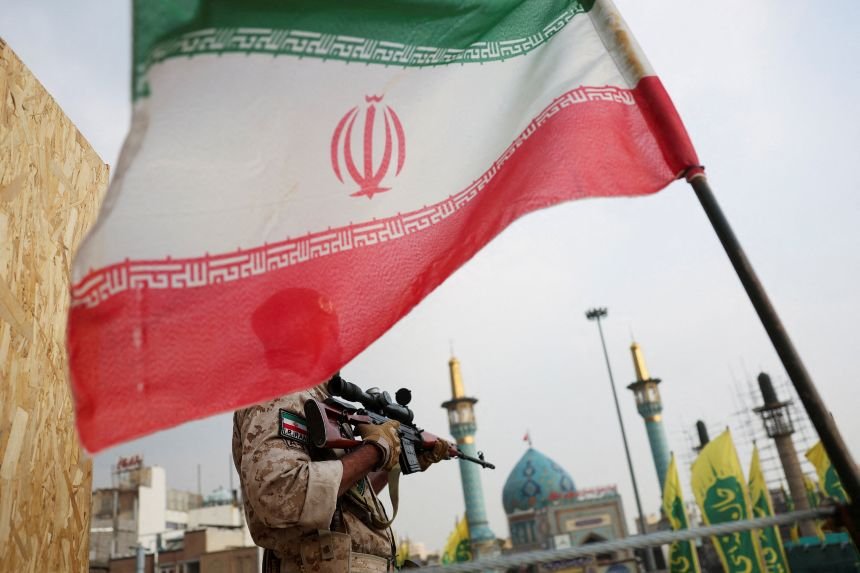
The United States and Iran are pursuing indirect diplomatic negotiations in an effort to prevent another major escalation of their conflict, even as military threats, disagreements over nuclear activities and tensions around the Strait of Hormuz continue to keep the Middle East on edge.
US President Donald Trump has offered his clearest indication yet that diplomacy could prevent fresh American strikes. In an interview with CNN on Sunday, November 8, Trump said renewed attacks were “highly unlikely” if negotiations made progress towards a strong agreement. He also told CBS’s 60 Minutes that he was “not looking to” escalate the war.
However, the possibility of a diplomatic breakthrough remains uncertain. Secretary of State Marco Rubio has said the negotiations have not been particularly productive, while Iran continues to demand major concessions before agreeing to a settlement. Both countries are using Qatar as an intermediary to exchange proposals rather than holding publicly confirmed direct negotiations.
The diplomatic effort has gained urgency following the Republican Party’s poor performance in the November 3 US midterm elections. The results have increased political pressure on Trump over the war, while Tehran has sought to use the changing political environment in Washington to strengthen its negotiating position.
What Has Changed Since the US Midterm Elections?
The Republican losses in the midterm elections have introduced a domestic political challenge into the US administration’s calculations over Iran. Democrats’ gains have raised questions about the political consequences of continuing the conflict, particularly as voters express concerns about its economic and security costs.
Vice President JD Vance acknowledged that the Iran war was among the factors behind the Republican setbacks. Trump, speaking to CBS, said he did not disagree with Vance’s assessment and recognised that some voters had not supported the conflict.
Nevertheless, the president defended his decision to authorise military action. He said he would make the same decision again if faced with the same circumstances, arguing that the strikes were necessary to address the threat posed by Iran.
The distinction matters for the negotiations. Trump’s comments suggest that he is willing to explore a diplomatic settlement, but they do not amount to a commitment to end military pressure or abandon the possibility of further attacks.
Iranian Foreign Minister Abbas Araghchi also referred to the election results, saying American voters had made their choice and it was now time for the White House to make its own. His remarks appeared intended to increase pressure on Washington to respond to Tehran’s proposals.
Iran continues to project confidence in its ability to withstand further military action. Its officials have warned that any renewed attack could expand the conflict beyond its existing geographical boundaries, raising concerns for countries across the Gulf and the wider region.
What Are the US and Iran Negotiating?
The negotiations involve several interconnected issues, including Iran’s nuclear programme, the reopening of the Strait of Hormuz, sanctions relief, maritime restrictions and the broader terms for ending the war.
These issues are difficult to separate because each side sees them as part of its security and economic interests. Washington wants restrictions that prevent Iran from developing a nuclear weapon, while Tehran wants guarantees that it will not face another attack after making concessions.
1. Iran’s Nuclear Programme and Enriched Uranium
Iran’s nuclear activities remain at the centre of the dispute. Trump has repeatedly demanded that Tehran’s ability to develop a nuclear weapon be eliminated, including restrictions on the equipment and technical capabilities that could support such a programme.
Iran maintains that its nuclear programme is intended for civilian purposes, including energy production. Tehran has also treated its nuclear capabilities as a matter of national sovereignty and has resisted demands that it abandon the programme under pressure from Washington.
A particularly sensitive issue is Iran’s stockpile of highly enriched uranium. Hundreds of kilograms of enriched material are believed to remain somewhere in the country, including at or near facilities affected by earlier military strikes. The precise location, condition and accessibility of the material have not been independently established in public reporting.
Washington reportedly wants the stockpile diluted or transferred outside Iran for safekeeping. Such a step could reduce concerns about the material being used to produce a nuclear weapon, but it would represent a major concession for Tehran.
The International Atomic Energy Agency (IAEA), the United Nations nuclear watchdog, would have an important role in verifying any agreement. Access to damaged nuclear facilities, inspection arrangements and the ability to account for enriched uranium could become central parts of a future settlement.
However, there is no publicly confirmed agreement on how the stockpile would be handled. Reports that Iran may be willing to return to nuclear negotiations have raised hopes, but willingness to discuss the issue does not mean Tehran has accepted Washington’s demands.
2. Reopening the Strait of Hormuz
The Strait of Hormuz is another major obstacle. The narrow waterway connects the Persian Gulf with the Gulf of Oman and the Arabian Sea. It is one of the world’s most important energy shipping routes, carrying a substantial share of internationally traded oil and liquefied natural gas.
Disruption to shipping through the strait can affect energy supplies, freight costs, insurance premiums and oil prices. Countries in the Gulf that depend on maritime exports are particularly exposed to prolonged restrictions or attacks on commercial vessels.
Washington wants the waterway reopened and international shipping restored without restrictions that would give Tehran control over commercial traffic. Iran, meanwhile, has sought to link the strait’s reopening to wider conditions for ending the conflict, including the lifting of maritime restrictions imposed by the United States.
Iran has also argued that regional security arrangements must take its interests into account. The extent of control or authority Tehran is seeking over the waterway remains a major point of disagreement, and there is no publicly confirmed settlement on its future administration.
For the United States, accepting arrangements that allow Iran to restrict international navigation would risk turning one of Tehran’s most important strategic advantages into a lasting source of leverage.
3. Sanctions Relief and Frozen Iranian Assets
Economic relief is another important Iranian demand. US sanctions have made it difficult for Tehran to sell oil freely, access international financial services and conduct transactions with many foreign institutions.
Iran also has billions of dollars in assets held abroad that remain frozen under various restrictions. Releasing some of these funds could provide the government with additional financial resources and help ease pressure on its economy.
Inflation and economic hardship have weakened household purchasing power in Iran. Restrictions on trade, currency pressure and uncertainty over energy exports have added to the country’s economic difficulties.
For Tehran, sanctions relief would be an important measure of whether Washington is serious about a lasting settlement. Iranian officials are unlikely to view a nuclear agreement as sufficient if major financial restrictions remain in place.
Washington, however, would want any relief to be conditional on verifiable Iranian steps. A phased arrangement could involve limited access to frozen funds or adjustments to specific restrictions in exchange for nuclear inspections and other commitments.
The timing and scale of any sanctions relief remain unresolved.
4. Compensation and the Wider Regional Conflict
Iran has also demanded compensation for the killing of former Supreme Leader Ali Khamenei and senior military commanders during the opening phase of the war in February. This demand adds another politically sensitive issue to negotiations already complicated by nuclear and maritime disagreements.
Tehran also wants the settlement to address fighting beyond Iran itself. Its conditions have included an end to hostilities on all fronts, reflecting the wider regional dimensions of the conflict and the involvement of groups aligned with the Islamic Republic.
Iran has maintained relationships with armed organisations in Lebanon, Iraq and Yemen. These groups have played different roles in regional conflicts and have faced varying degrees of military pressure. Their position could complicate any agreement that focuses only on US-Iran Relations.
Washington and several regional governments are concerned that a settlement limited to nuclear and maritime issues could leave other security disputes unresolved.
How Qatar Is Trying to Bridge the Differences
Qatar has become the central intermediary in the latest diplomatic effort. Doha has maintained communication channels with both Washington and Tehran and is helping transmit proposals, amendments and responses between the two sides.
Rather than announcing formal negotiations, the countries have relied on indirect exchanges through mediators. This arrangement allows officials to explore possible compromises without publicly committing themselves to concessions that could face domestic opposition.
Reports indicate that Qatar and other regional participants have been discussing a framework that could establish a sequence of confidence-building steps. One reported proposal would involve the United States easing its naval blockade and releasing some Iranian funds, while Iran would invite international nuclear inspectors to examine affected facilities.
A subsequent stage could involve reopening the Strait of Hormuz, followed by renewed negotiations over Iran’s enriched uranium stockpile. The framework remains a proposal under discussion, not a confirmed agreement accepted by both governments.
Other regional countries, including Pakistan, Saudi Arabia, Egypt and Turkey, have also been involved in diplomatic contacts or efforts to support a settlement.
Trump is scheduled to meet Qatar’s Prime Minister and Foreign Minister Sheikh Mohammed bin Abdulrahman Al-Thani at the White House on Monday, November 9. Vice President JD Vance is also expected to meet the Qatari leader.
The meeting is significant because Qatar is seeking to keep diplomatic channels open while the United States and Iran remain far apart on the substance of a deal. The discussions could help clarify whether Washington is prepared to consider the latest framework and what conditions it would attach to any agreement.
Why Is a Peace Agreement Still Difficult?
Despite increased diplomatic activity, the two sides have not publicly demonstrated that they are ready to abandon their central demands. The gap between their positions is particularly wide on nuclear restrictions, maritime security and the order in which concessions should be made.
Iran Does Not Trust Washington’s Commitments
One of Tehran’s biggest concerns is the possibility of another US or Israeli attack after it makes concessions. Iran has not forgotten that the conflict began while diplomatic discussions over its nuclear programme were taking place.
From the Iranian government’s perspective, surrendering enriched uranium, reopening the Strait of Hormuz and reducing its military leverage before receiving meaningful guarantees could leave the country more exposed.
Iran wants assurances that a settlement will not simply create an opportunity for its opponents to resume military operations from a stronger position. However, providing guarantees that satisfy Tehran while preserving Washington’s freedom to respond to future security threats will be difficult.
Washington Says Iran’s Demands Are Unacceptable
US Secretary of State Marco Rubio has publicly played down expectations of an imminent breakthrough. Before travelling to Paris for a Group of Seven foreign ministers’ meeting, Rubio said the negotiations had not been very productive.
He described several Iranian demands as unacceptable and unrealistic, while maintaining that Trump would prefer to resolve the dispute through diplomacy if possible.
Rubio’s comments indicate that the White House has not accepted Tehran’s proposed conditions as the basis for a settlement. They also show that Trump’s more conciliatory public remarks should not be interpreted as evidence that the United States has agreed to lift its pressure campaign.
Israel and Arab Countries Have Their Own Security Concerns
Trump must also consider the interests of regional partners, particularly Israel and Gulf Arab states. Israel regards Iran’s nuclear programme and regional military relationships as major security threats. Any agreement that leaves Tehran with significant nuclear capabilities or allows it to rebuild its military influence could face strong objections from the Israeli government.
Arab countries have their own concerns. Gulf states depend heavily on secure maritime routes for energy exports and trade. They want the Strait of Hormuz to remain open and are wary of arrangements that could give Iran lasting influence over shipping in the region.
At the same time, several regional governments have an interest in preventing another round of fighting that could threaten their infrastructure, economies and security. Their preference for de-escalation does not necessarily mean they would support every concession required to reach a deal.
Iran’s Regional Allies Add Another Layer of Complexity
The conflict is not limited to the direct military relationship between Washington and Tehran. Iran’s ties with groups in Lebanon, Iraq and Yemen have helped shape the wider security environment in the Middle East.
The Houthi movement in Yemen is particularly relevant because of its ability to threaten shipping around the Red Sea and the Bab el-Mandeb Strait. That passage connects the Red Sea with the Gulf of Aden and is another important route for international trade.
Any escalation involving the Houthis could create additional pressure on global shipping, especially if commercial vessels face threats in both the Red Sea and the Strait of Hormuz.
However, the role of regional armed groups in a potential US-Iran agreement remains uncertain. A settlement that does not address their activities could leave important sources of tension unresolved, while demanding that Tehran abandon its relationships with them could make negotiations more difficult.
Could the United States and Iran Return to War?
A renewed round of major fighting remains possible, even though Trump has indicated that he would prefer to avoid another large-scale military operation if negotiations advance.
Both countries have continued to issue warnings, and the United States retains substantial military capabilities in the Middle East. Trump has also made clear that additional targets have been identified should he decide to resume attacks.
Iranian military officials have responded with warnings that the country could strike a wider range of targets and inflict greater damage if attacked again. Such statements are part of Tehran’s effort to deter further military action, but they also underline the danger of miscalculation.
There have been reports of limited attacks and maritime incidents during the diplomatic process. Both sides have played down some developments, but continued security threats around the Strait of Hormuz show that negotiations have not yet produced a stable ceasefire environment.
Washington has also continued to apply pressure through financial and security measures. The United States is offering a reward of up to $20 million for information related to Iran’s nuclear programme and has announced efforts to prevent Tehran from using land routes to move advanced weapons and other materials.
These measures suggest that the administration is pursuing diplomacy alongside continued pressure rather than suspending its broader strategy.
Political divisions inside Iran could create another obstacle. Hardliners who believe the country has resisted the United States may oppose concessions that they consider too generous. Iranian officials involved in negotiations could therefore face pressure at home if a proposed agreement is seen as giving up important strategic advantages.
What Happens Next?
The immediate focus is on the diplomatic discussions involving Qatar’s prime minister in Washington on November 9. The meeting could provide an indication of whether the latest proposals have enough support to move towards a more formal negotiating process.
Several questions remain unanswered: whether Iran will permit expanded nuclear inspections, what will happen to its enriched uranium stockpile, whether the United States will ease its maritime restrictions, and how quickly the Strait of Hormuz could return to normal commercial operations.
Any agreement would also need a mechanism for monitoring compliance. Without clear verification arrangements, both sides could accuse the other of failing to meet its commitments, potentially reopening the path to military escalation.
For now, the diplomatic process offers a possible route away from another major confrontation, but it has not removed the underlying causes of the conflict. Trump’s willingness to consider negotiations, Iran’s demand for economic and security concessions, and Qatar’s mediation have created an opening for discussions.
Yet Rubio’s warning that a breakthrough is not imminent reflects the distance that remains between the two governments. The coming days could show whether the latest diplomatic effort can turn indirect exchanges into concrete commitments or whether the Middle East will remain exposed to the risk of renewed war.
For breaking news and live news updates, like us on Facebook or follow us on Twitter and Instagram. Read more on Latest World on thefoxdaily.com.




COMMENTS 0